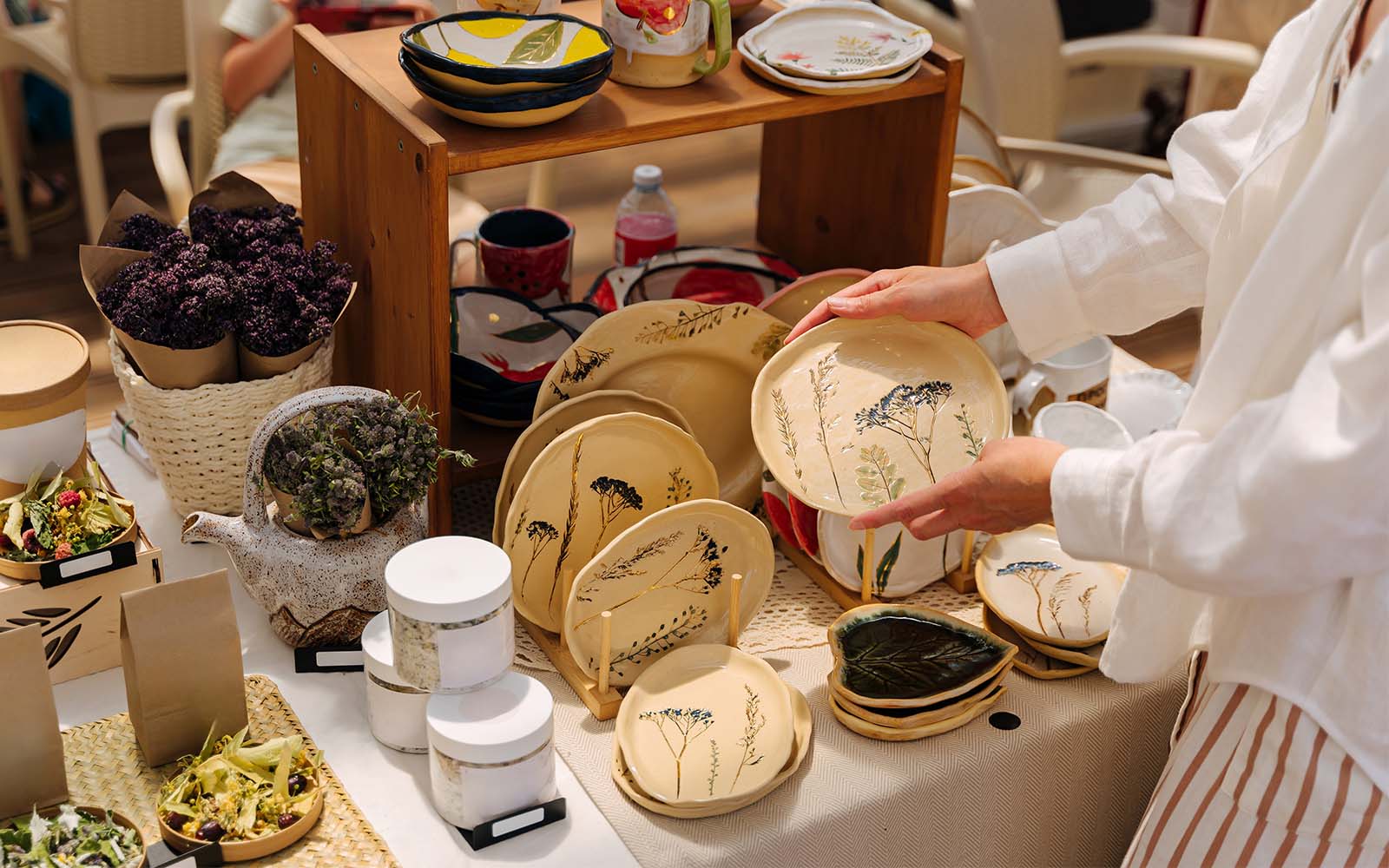
Handmade products are more than just physical objects; they are a form of art that blends the creator’s time, skill, and soul. In an era where factories mass-produce thousands of identical items, owning a unique piece crafted by human hands using local raw materials brings a special sense of pride. These crafts continue to support traditional culture and local communities. By choosing handmade, you are making a positive impact. In this article, we’ll explore how to support these artisans effectively and how to select high-quality pieces.

Cotton Textiles (Hand-woven)
Natural, breathable cotton is perfect for Myanmar’s climate and is loved by both men and women. Local brands now offer everything from clothing and bags to scarves and hair accessories. To choose high-quality cotton:
Texture: Genuine cotton should be soft yet durable. If it feels overly stiff or rough, it may be of poor quality or treated with harsh chemicals.
Weave: The weave should be tight and even. This ensures the fabric won't sag or fray after washing.
Stitching: For bags and accessories, check the seams and corners—both inside and out—to ensure they are neat and sturdy.
Color: If natural dyes are used, slight variations in shade are a sign of an authentic, eco-friendly handmade process.
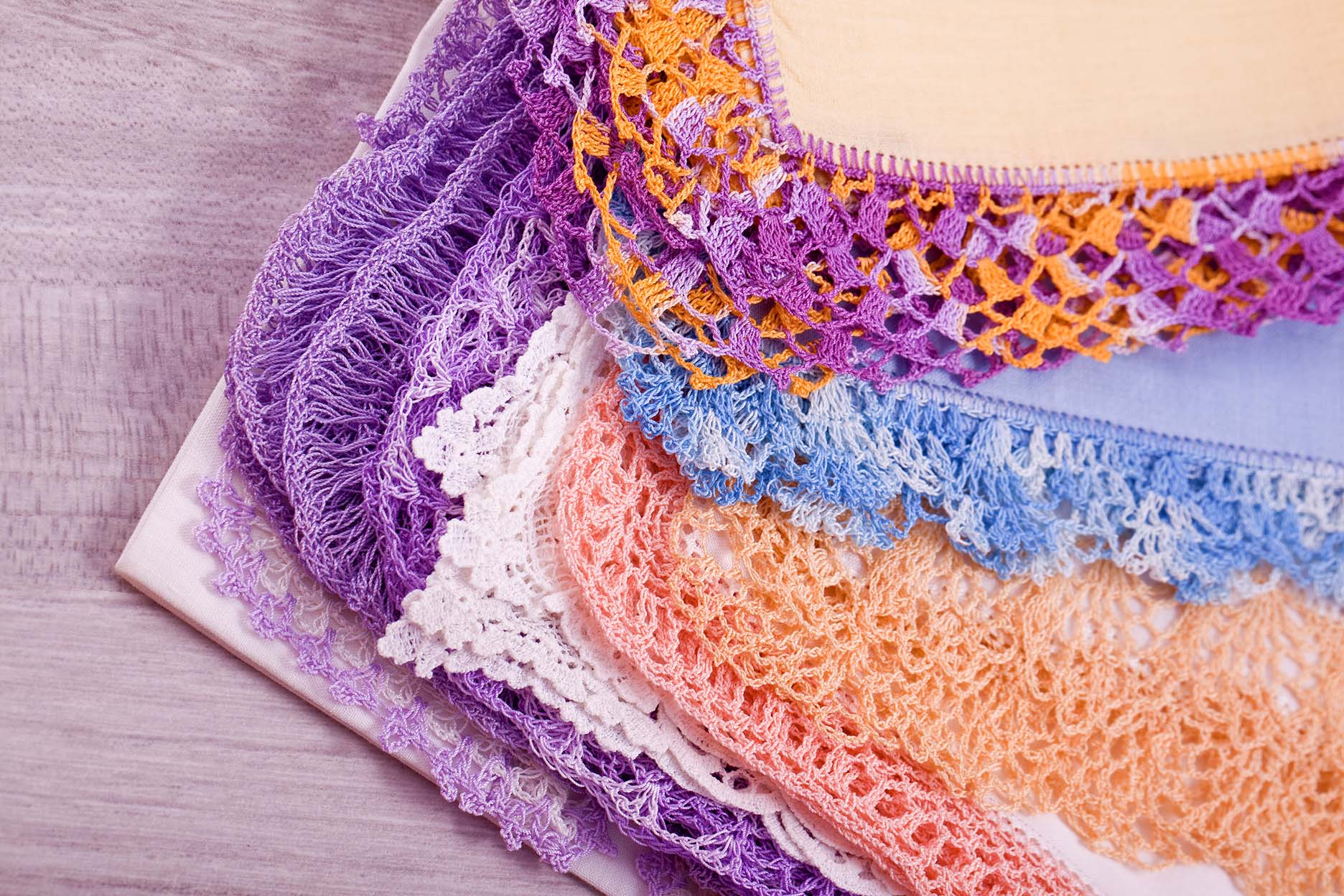
Crochet and Knitwear
Hand-knitted sweaters, scarves, tablecloths, and hair accessories have become popular daily items. These pieces are both adorable and functional. When choosing crochet:
Stitch Consistency: The loops should be uniform in size. If one area is too tight and another is too loose, the item won't last long.
Elasticity: Gently stretch the item; a high-quality piece should snap back into its original shape without looking distorted.
Quilling Art (Paper Rolling)
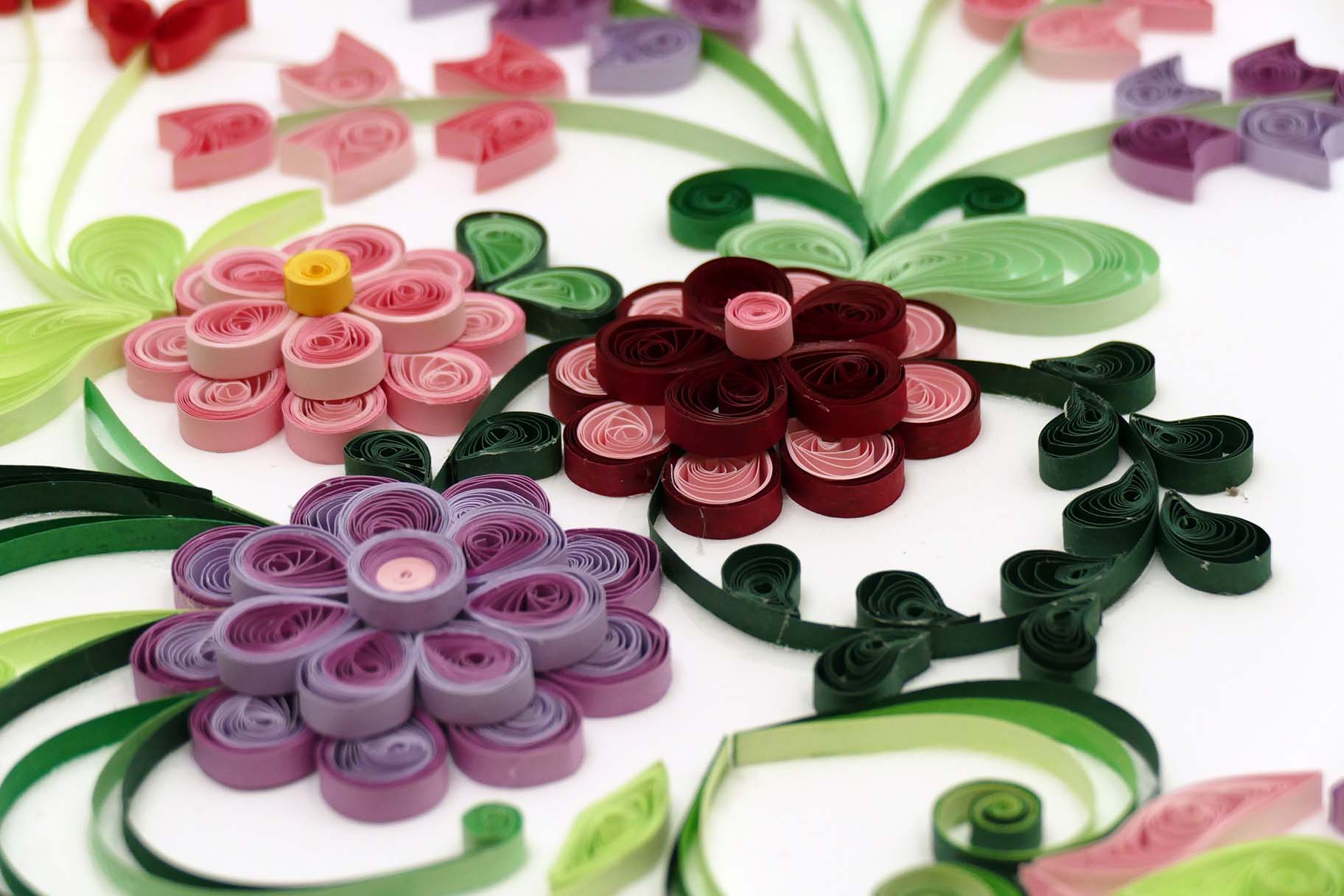
Quilling art, the craft of rolling paper into intricate designs, is used for wall art, greeting cards, wedding invitations, and home decor. This art form promotes focus and calm. When buying quilling art:
Precision: Check if the paper coils are rolled tightly and evenly.
Cleanliness: Look for any visible glue residue or stains. High-quality work should look clean and three-dimensional.
Maintenance: Keep these pieces away from water and high humidity to preserve the paper's shape.
Painted Pottery and Ceramics
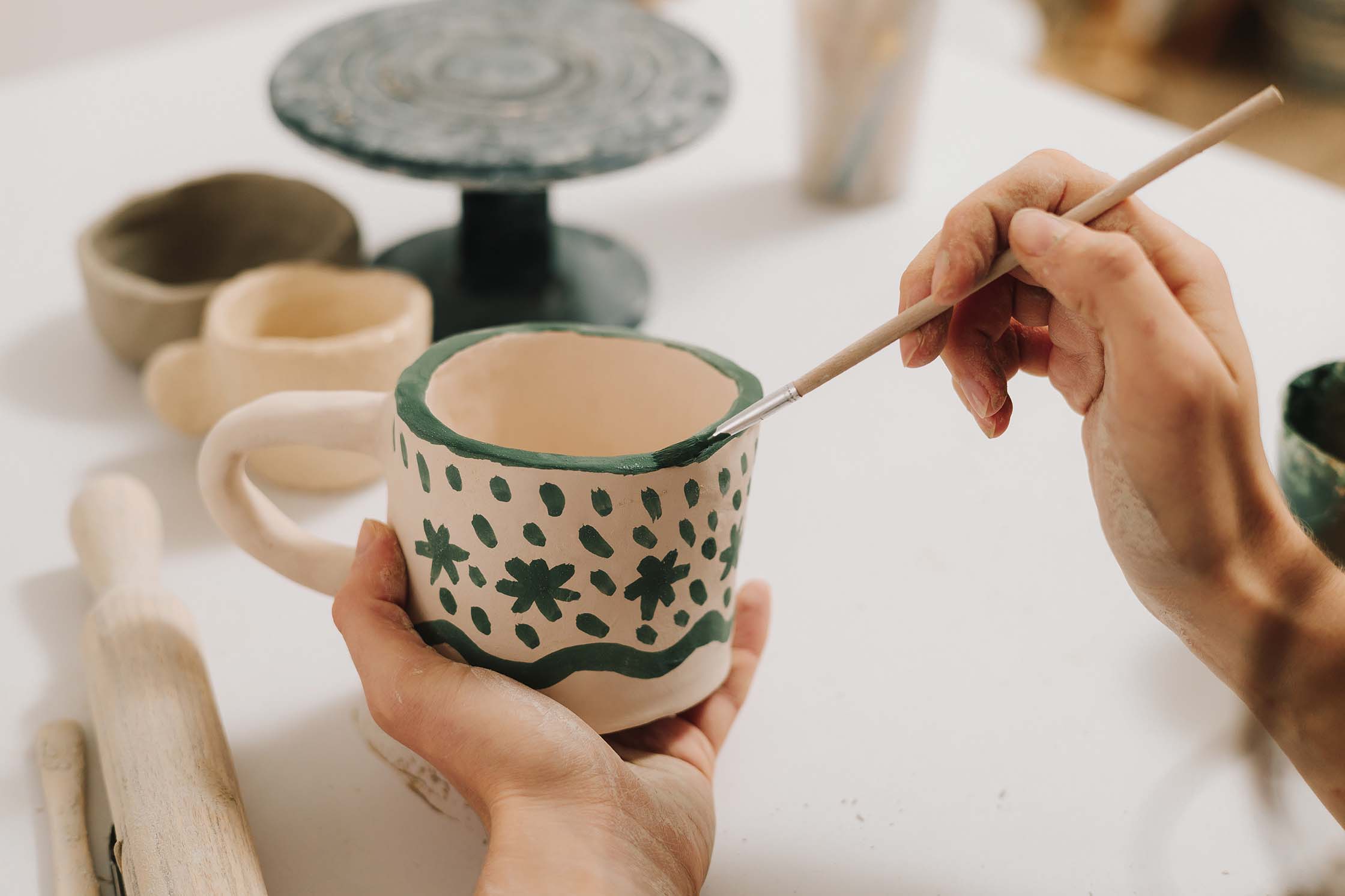
Pottery painting is the art of hand-painting designs onto clay items like teapots, plates, mugs, and decorative vases. These can be used functionally or as wall decor.
Surface: The surface should be smooth, and the paint should be applied evenly.
Condition: Check thoroughly for cracks, chips, or defects in the handles.
Safety: If you plan to use the item for food or drinks, always ask if the glaze and paint are food-safe and non-toxic.
Value: Hand-painted pottery expresses personal style and makes for a deeply meaningful gift that lasts for years with proper care.
When you buy local handmade goods, you aren't just buying a product; you are preserving traditions. Because these items often use natural materials and produce minimal waste, they are environmentally friendly. By supporting these crafts, you help ensure that these beautiful skills continue to thrive for future generations.





Comments