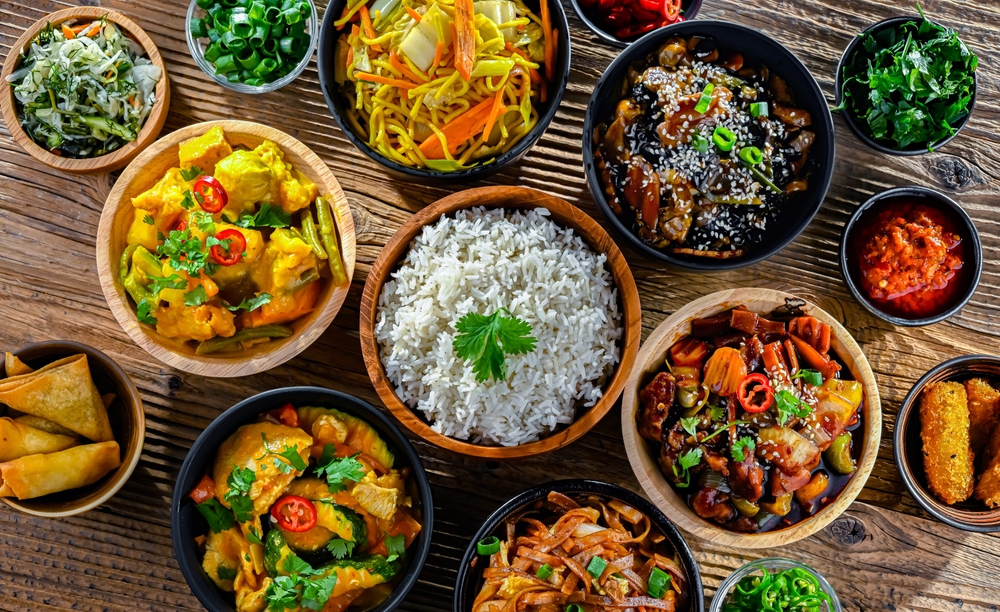
Asian cuisine offers a symphony of sweet, sour, salty, and bitter flavors, all based on cooking traditions passed down through generations. These dishes are masterful in their balance, making them some of the most beloved foods worldwide. Every country expresses its unique culinary identity through local spices and natural ingredients. In this article, let’s explore the distinctive cooking techniques and flavor profiles of Asian cuisine, from the numbing heat of Sichuan dishes, and the rich, complex depth of Burmese food, to the tangy, spicy delights of Korean cuisine.
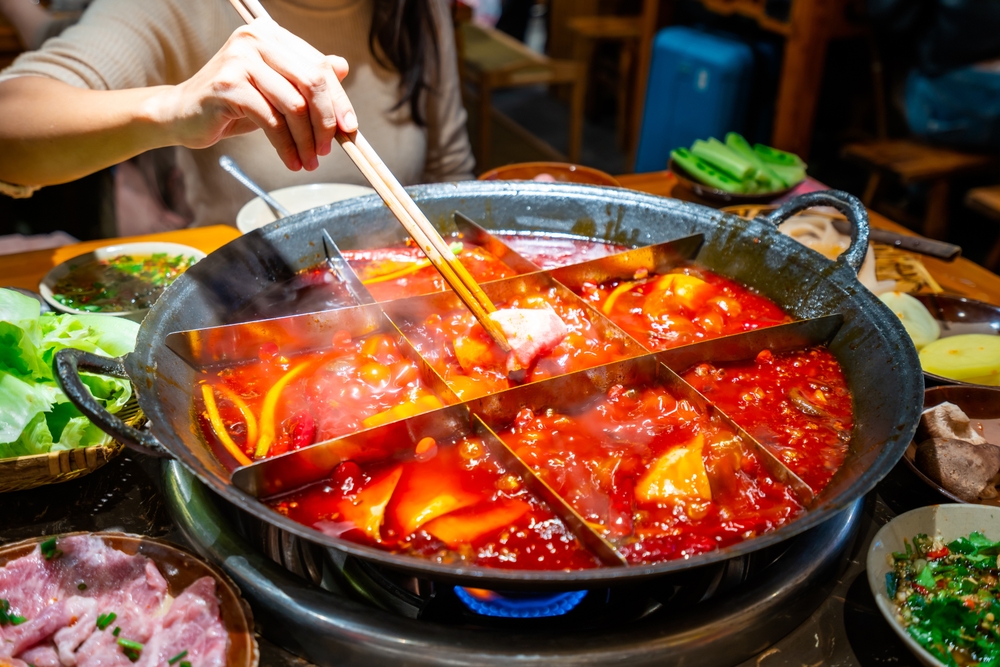
The Bold and Spicy Flavors
Spiciness is perhaps the most universally adored flavor profile in Asia. Thai cuisine, for instance, offers a sharp, refreshing heat, while Chinese Sichuan food is famous for its unique "numbing" sensation.
- Thai Cuisine: Primarily uses fresh green chilies, which, when combined with sour notes, create a refreshing and invigorating flavor.
- Sichuan Cuisine: Utilizes Sichuan peppercorns, which provide a distinct numbing sensation (mala) that stimulates the appetite and pairs beautifully with aromatic spices.
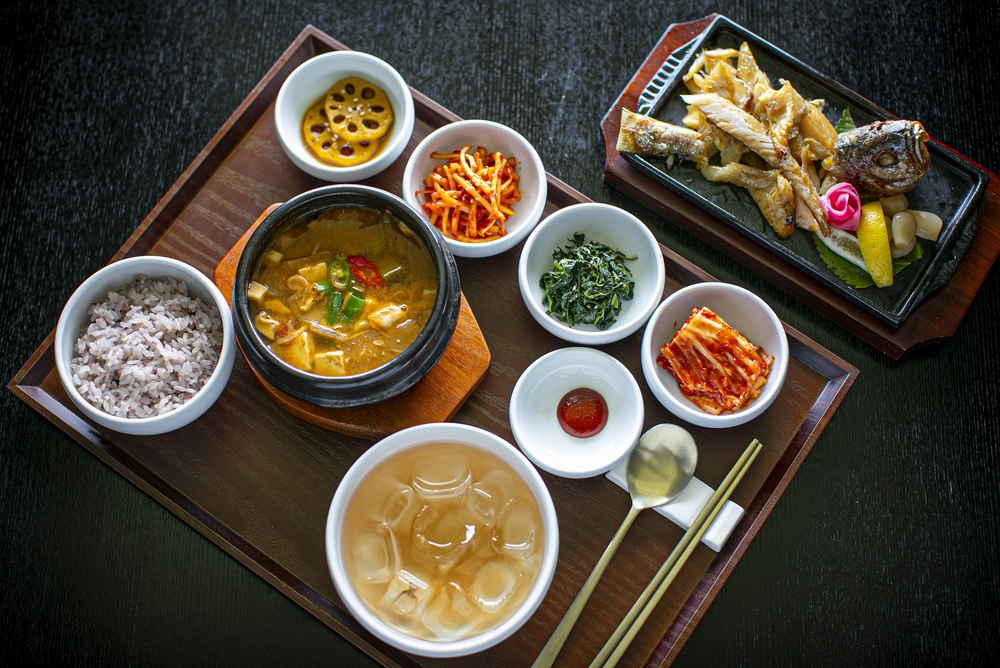
Balanced Umami Flavors
The concept of "Umami," that savory depth that elevates a dish, is no stranger to Asian cooking. This rich flavor is often achieved through fermented ingredients and seafood-based seasonings.
- Japanese Cuisine: Umami is the heart of the cuisine, often built upon dashi stocks made from kombu (kelp) and katsuobushi (dried bonito flakes).
- Korean Cuisine: Harnesses deep, nutrient-rich flavors through fermented staples like doenjang (soybean paste) and kimchi.
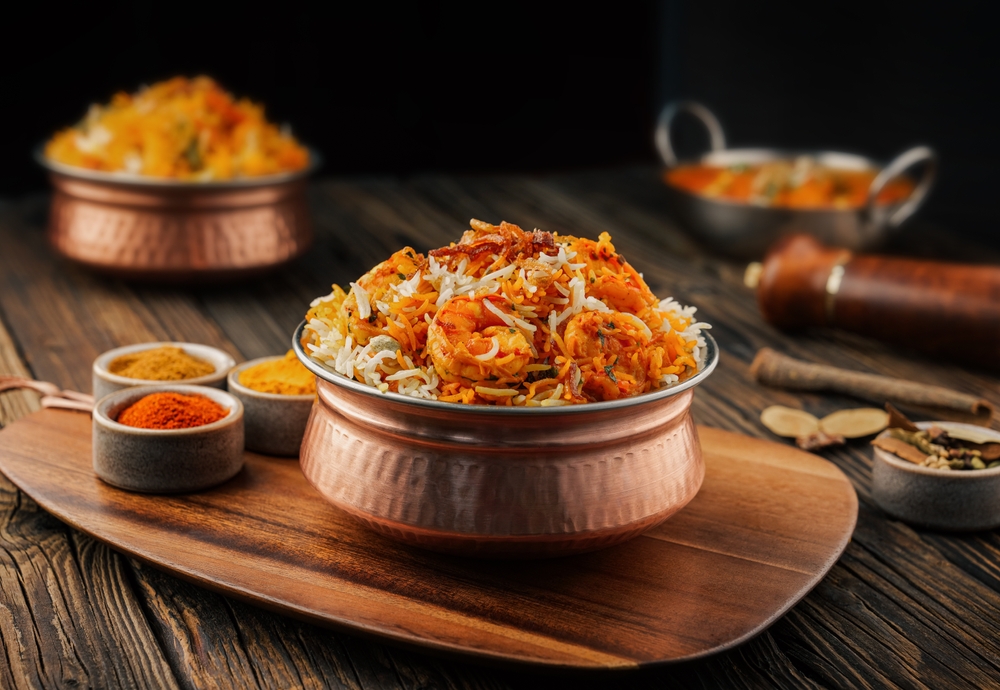
Aromatic and Deep Flavors
No discussion of Asian cuisine is complete without mentioning the aromatic spices of India, Malaysia, and Indonesia. These dishes are characterized by a meticulous cooking process, where spices are layered in the oil step-by-step to build a profound depth of flavor.
Indian Cuisine: Features a complex layering of cumin, turmeric, and coriander, which are tempered in oil to create earthy, rich flavors that make every bite incredibly satisfying.
Tangy and Appetizing Flavors
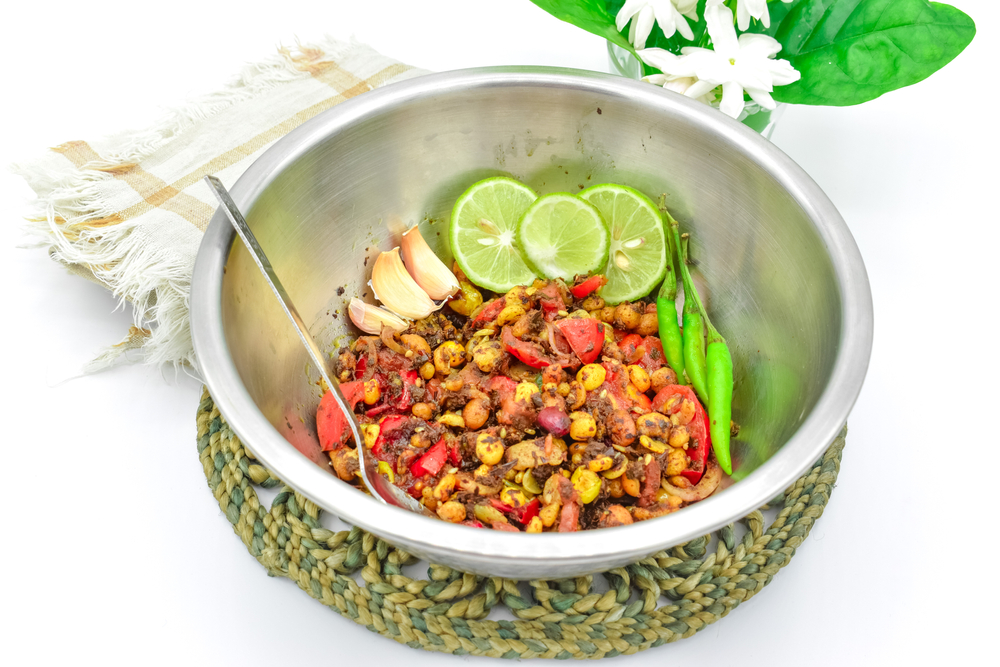
The balance of sour and spicy is a classic trick to stimulate the appetite. These flavors are derived from tamarind, lime, vinegar, and various fermented vegetables. These elements not only add freshness to a meal but also help cut through richness.
- Burmese Cuisine: Famous for its tangy, spicy salads like lahpet thoke (tea leaf salad), which are incredibly appetizing.
- Thai Cuisine: Frequently utilizes fresh lime juice to provide that signature sharp, sour kick found in beloved dishes like Tom Yum soup.
Now that you’ve explored these authentic Asian flavor profiles and cooking techniques, why not stock up on ingredients from the marketplace's "Asian Fair" and try creating some of these mouth-watering dishes for yourself?





Comments