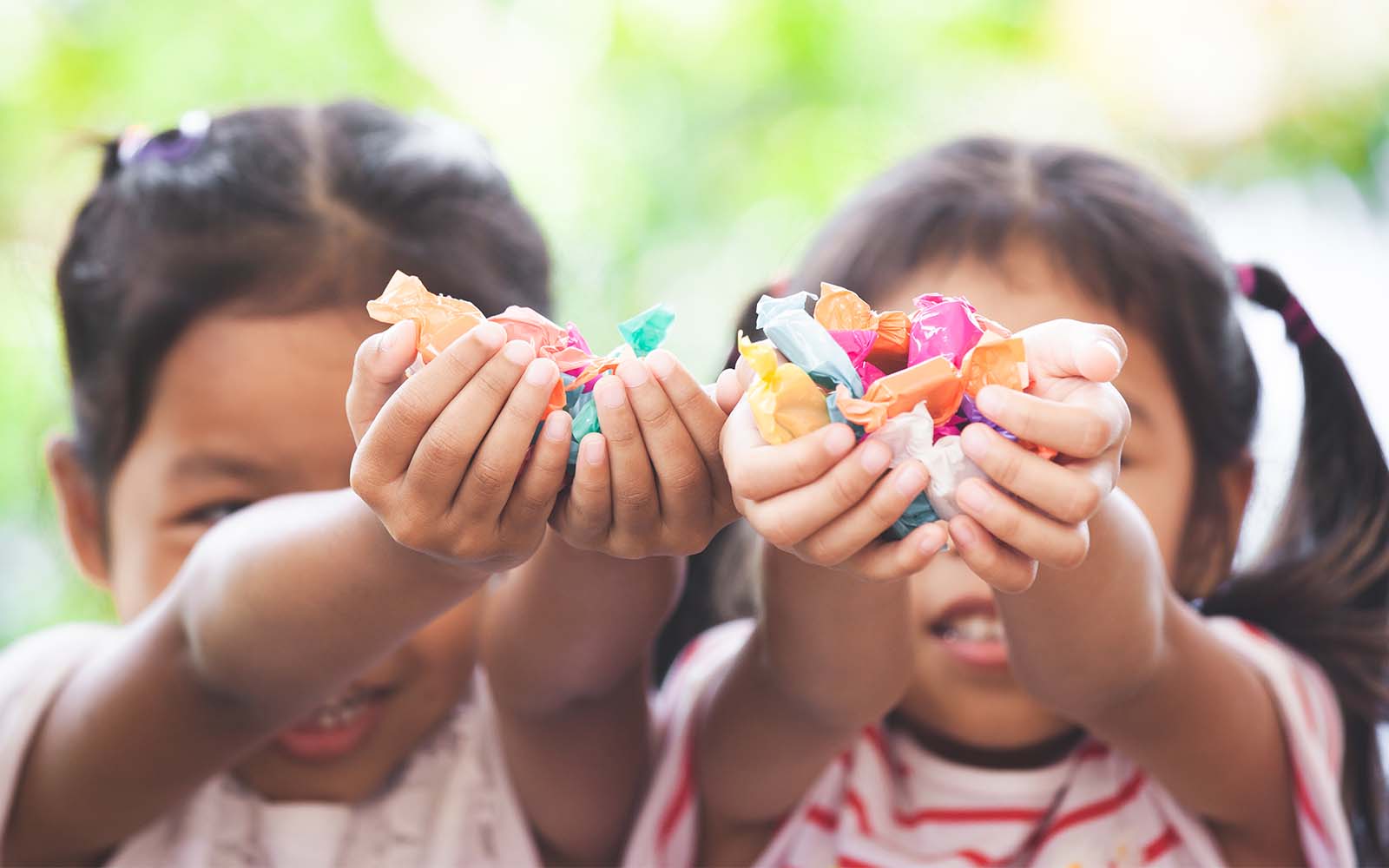
Many parents have likely experienced situations where toddlers (around two or three years old) tightly hold onto a toy, refusing to let go, share it with others, or even put it down anywhere. This is a common behavior that can be difficult to correct, which is why teaching children to share should begin patiently and consistently from an early age. By doing so, children gradually learn kindness and develop a positive mindset, helping them build meaningful and lasting relationships in the future. Teaching the value of “Sharing is Caring” through everyday activities from a young age allows children to enjoy these long-term benefits.

Developing Emotional Intelligence
Sharing is a practical way to teach children how to see the world from others’ perspectives. When a child shares something they like, such as a toy with a friend, they begin to notice the happiness it brings to others. This helps them connect their positive actions with others’ joy. Such experiences nurture empathy and improve their ability to understand and relate to others’ feelings. Additionally, children learn important life skills like self-control and patience, for example, waiting their turn when they cannot immediately have what they want.
Learning Cooperation
From school years to professional life, success often depends on the ability to cooperate with others. Just like solving a puzzle, working together toward a shared goal brings better outcomes than working alone. Through collaboration, children learn that they cannot always have things their way, which helps them become more flexible and adaptable.
Improving Problem-Solving Skills
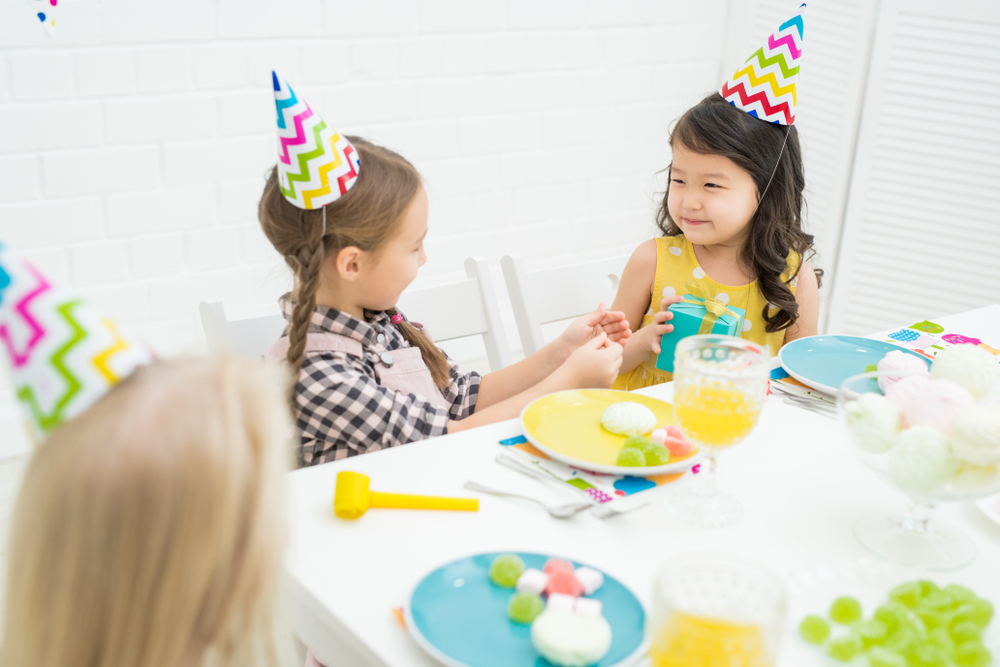
Sharing is not always simple and can sometimes lead to small conflicts, for example, when two children want the same toy at the same time. In such situations, learning to negotiate and find positive solutions helps develop cognitive and social skills. Instead of arguing, children may learn to take turns or exchange toys. These experiences also teach patience and time management, as they begin to understand fairness and structured play.
Building Better Social Relationships
Even among young children, those who refuse to share are often avoided by their peers. On the other hand, children who share openly and kindly are more easily accepted and invited to play. This naturally helps them build strong friendships. Through sharing, they also learn mutual exchange, for instance, “I shared my toys with you today, and you can share yours with me tomorrow,” which strengthens trust and relationships.
Beyond these benefits, the habit of sharing shapes a child’s character. It allows them to experience the joy of giving, while also learning to appreciate and express gratitude when others share with them. This practice builds emotional resilience, helping children navigate challenges in social life. Ultimately, it supports their growth into kind, understanding, and well-adjusted adults.


Comments