
Are you someone who can’t go a day without eating fast food like fried chicken with cola, fries with burgers, pizza, or bubble tea? In today’s lifestyle, even if not daily, people tend to consume fast food quite frequently. Cravings like “I feel like having pizza” or “Let me grab a hot dog” are very common. While occasional cravings are normal, if you keep satisfying those cravings repeatedly, you may be developing a fast food addiction.
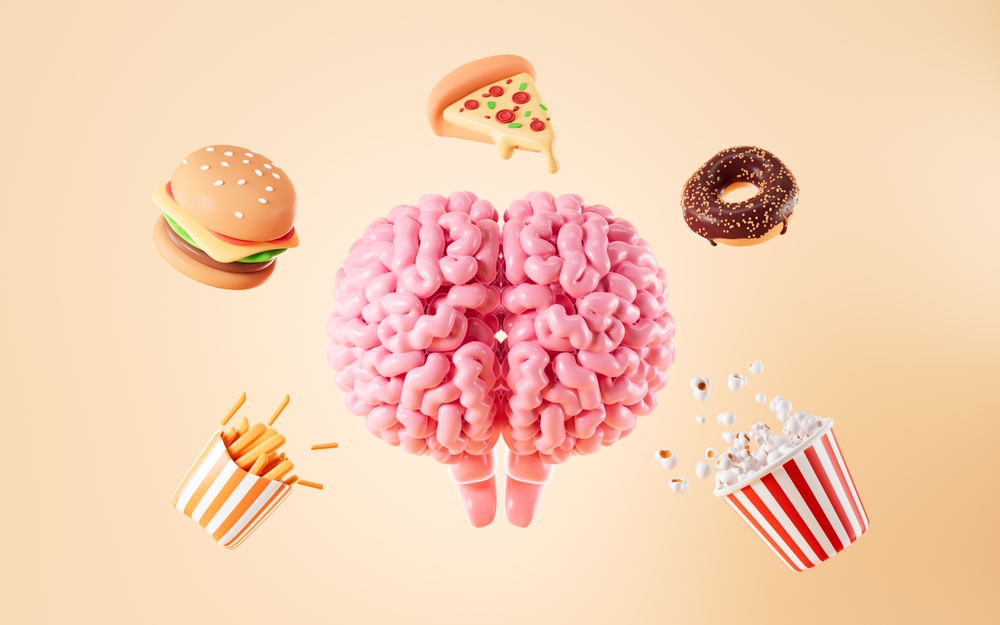
Why Do We Get Addicted?
Fast foods are typically high in sugar, salt, and fats, with strong flavors and heavy processing. These qualities stimulate your appetite, making you want to keep eating even after you’re full. Unlike alcohol or drugs, fast food doesn’t cause addiction through chemicals in the same way, but its taste, convenience, and impact on the brain’s reward system can make it highly addictive.
You might think, “It still fills me up, so what’s the problem?” However, fast food addiction can negatively affect both mental and physical health.
Mental Health Effects
Fast food is tasty, convenient, and easy to access, which makes it tempting to eat repeatedly. People who tend to eat more when feeling stressed, sad, or overwhelmed may rely on fast food as a coping mechanism.
Over time, this can turn into a cycle: Feeling stressed → eating fast food → temporary relief → feeling worse → eating again. Instead of addressing stress in healthy ways, fast food becomes the only emotional outlet, which can lead to declining mental well-being.

Physical Health Effects
Eating is not just about feeling full, it’s about nourishing your body with essential nutrients. Fast food, however, is often high in sugar, salt, unhealthy fats, and preservatives, while lacking important nutrients.
Regular and long-term consumption can lead to:
- High blood pressure
- Diabetes
- Obesity
- Digestive issues
- Weak immune system
- Allergies
- Heart disease and even cognitive decline.
How to Reduce or Quit Fast Food
The first step to reducing fast food intake is understanding its health risks. Reflect on why you eat it so often: Is it due to boredom? Stress? Convenience? Following others? Once you identify the cause, it becomes easier to find solutions. It’s not easy to quit immediately, but you can start small: “I won’t eat fast food today”, “I’ll limit it to once this week.” Set realistic goals and gradually reduce your intake.
Fast food is everywhere, driven by advertising and modern food culture. While it’s okay to enjoy it occasionally, it’s important to be aware of its long-term effects. Choosing nutritious, wholesome foods will help you maintain better health and overall well-being.





Comments