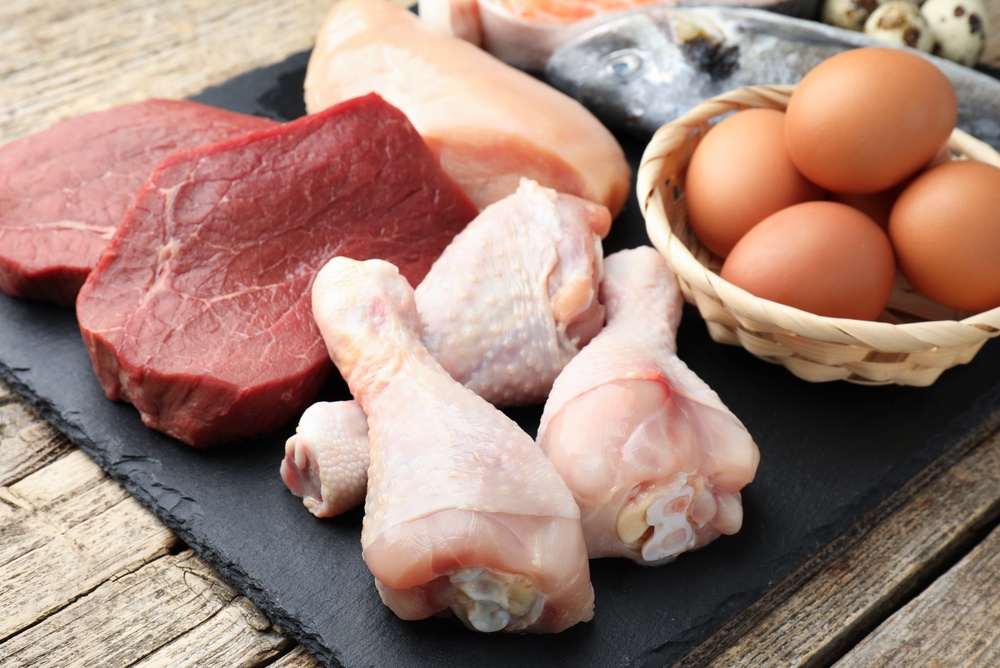
Every day, homemakers strive to prepare nutritious and energy-boosting meals for their families, and a meat dish is almost always on the menu. While it is important to cook meat thoroughly and with good flavor, it is equally vital to understand the essential health and safety rules for buying, storing, and handling raw meat. Properly handling raw meat not only prevents foodborne illnesses but also ensures that the delicious meals you prepare are safe and hygienic for your family. In this article, we will detail the correct hygiene practices and techniques for handling meat.
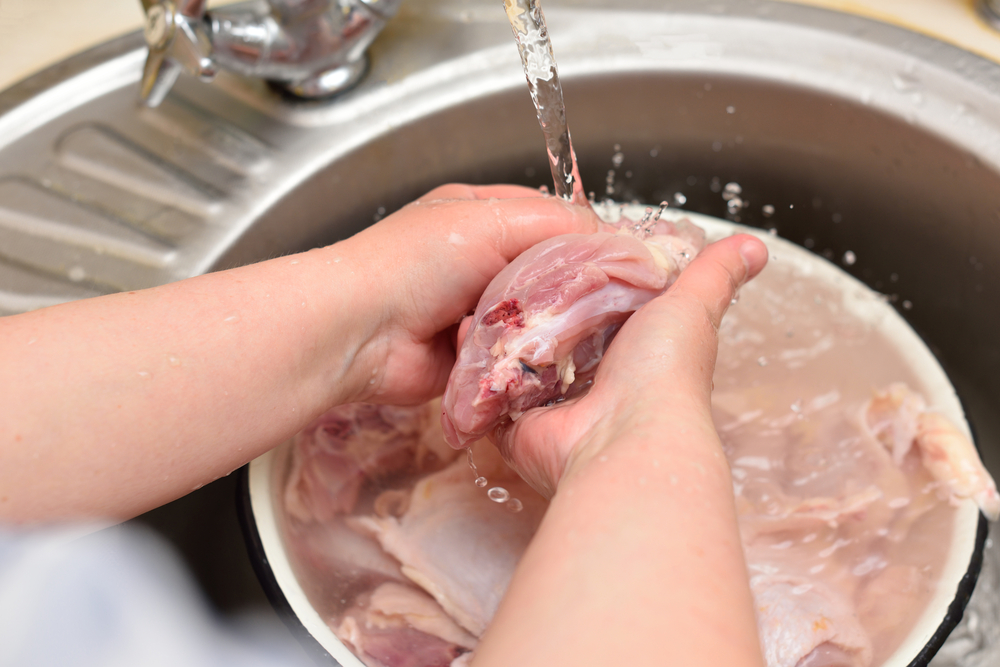
Don't wash raw meat
It is a common misconception that washing or soaking raw meat, such as pork or beef, in water will kill bacteria. In fact, according to a USDA article, washing raw meat causes water to splash, spreading bacteria onto your kitchen counters, utensils, and surrounding surfaces. Instead of washing, simply pat the surface of the meat dry with clean paper towels. The best way to ensure the meat is free of germs is to cook it at the proper temperature for the right amount of time.
Defrost frozen meat correctly
Many people have a habit of taking frozen meat out of the freezer and leaving it on the counter to thaw at room temperature. This is unhealthy because it allows bacteria to multiply rapidly. The best method is to move the frozen meat from the freezer to the regular refrigerator shelf a day before you plan to cook it. If you are short on time, you can place the meat in a sealed plastic bag and soak it in cold water, or use the "defrost" function on your microwave.
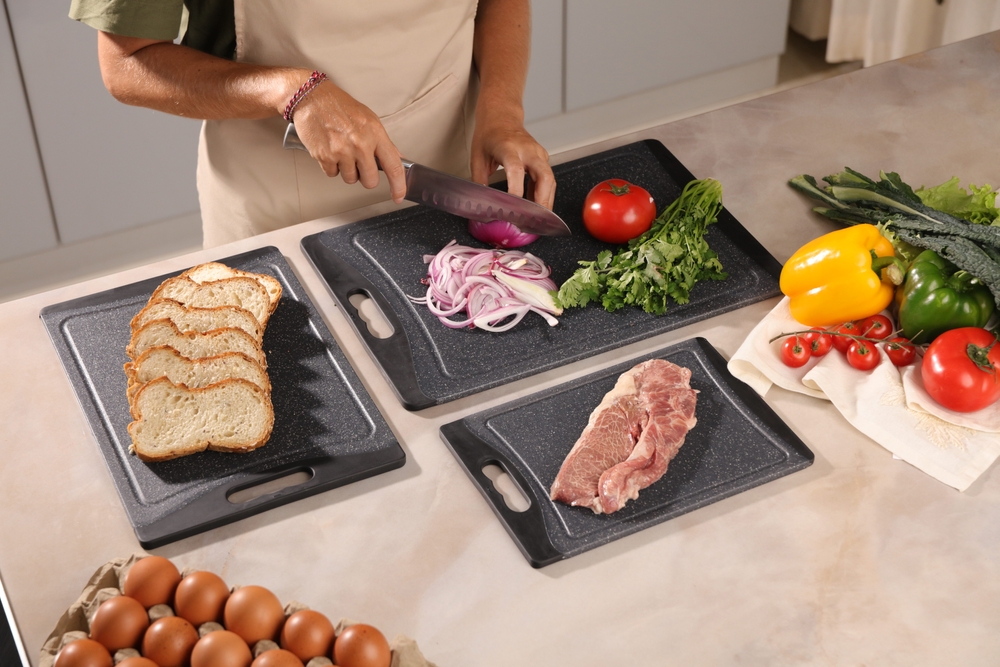
Handle with cleanliness
Because raw meat can harbor many bacteria, it is crucial to use separate knives and cutting boards exclusively for meat to prevent cross-contamination. It is especially important not to mix the cutting board used for vegetables with the one used for raw meat. After handling raw meat, thoroughly clean the knives, cutting boards, and countertops with disinfectant or hot water. Furthermore, after preparing the meat, always wash your hands thoroughly with soap for at least 20 seconds.
Slice and prepare evenly
To ensure all pieces of meat cook at the same rate, remove unnecessary fat and gristle. Using a sharp knife to cut the meat into uniform thickness and size prevents the issue where one side is cooked while the other remains raw. Uniform preparation not only helps the meat absorb flavors better and ensures even cooking, but it also saves time.
Delicious and hygienic meals are rooted in correct preparation methods. By following these practices, you can prevent the spread of bacteria in your kitchen and continue to maintain safe and healthy cooking habits for your family.




Comments