
If you have a toddler around the age of two, you might be noticing some "new" personality traits; sudden screaming fits, stubbornness, or a strange cycle of clinging to your leg one second and running away the next. Sound familiar?
Don’t worry, you haven't "broken" your child. You’ve simply entered a major developmental milestone that typically occurs between ages 1.5 and 4. This is the stage where children begin to transition from total dependence to seeking physical and emotional independence. Because they don't yet have the tools to regulate their big emotions, they resort to tantrums. It’s a testing time for parents, but with a bit of understanding and a strategy, you can navigate this phase with your sanity intact.

Create a "Safety Net" with Routine
Most toddler meltdowns aren't actually about the toy they can't have, they're often triggered by the "Big Three": hunger, exhaustion, or physical discomfort.
Establishing a predictable daily schedule for meals, naps, and play acts as a stress-management tool for your child. Toddlers crave predictability because it makes them feel safe; when they know what’s coming next, they don’t have to feel anxious about the unknown. According to the Mayo Clinic, parents can foster this sense of security by being prepared and using a mix of patience and praise to guide them through the day.

Validate the Feelings, Not the Behavior
Before you try to "fix" a tantrum, you need to acknowledge the emotion behind it.
Example: If you need to take away a phone or tablet, don't just grab it. Try saying: "I know you really want to keep watching, and I understand that you're sad/angry that we have to stop." By naming the emotion, you show them you're on their team. Then, offer a small choice (e.g., "Do you want to play with your blocks or look at a book instead?"). This gives them a sense of control over their world, a technique highly recommended by Akron Children’s Hospital.

The Power of Redirection
When a child is doing something dangerous or off-limits, a direct "No!" often leads to a power struggle. Instead, try the "Pivot." Redirect their focus to an interesting activity or a different toy immediately. By shifting their attention, you bypass the emotional explosion and save yourself a headache. It’s much easier to lead a toddler toward something fun than to drag them away from something they want.
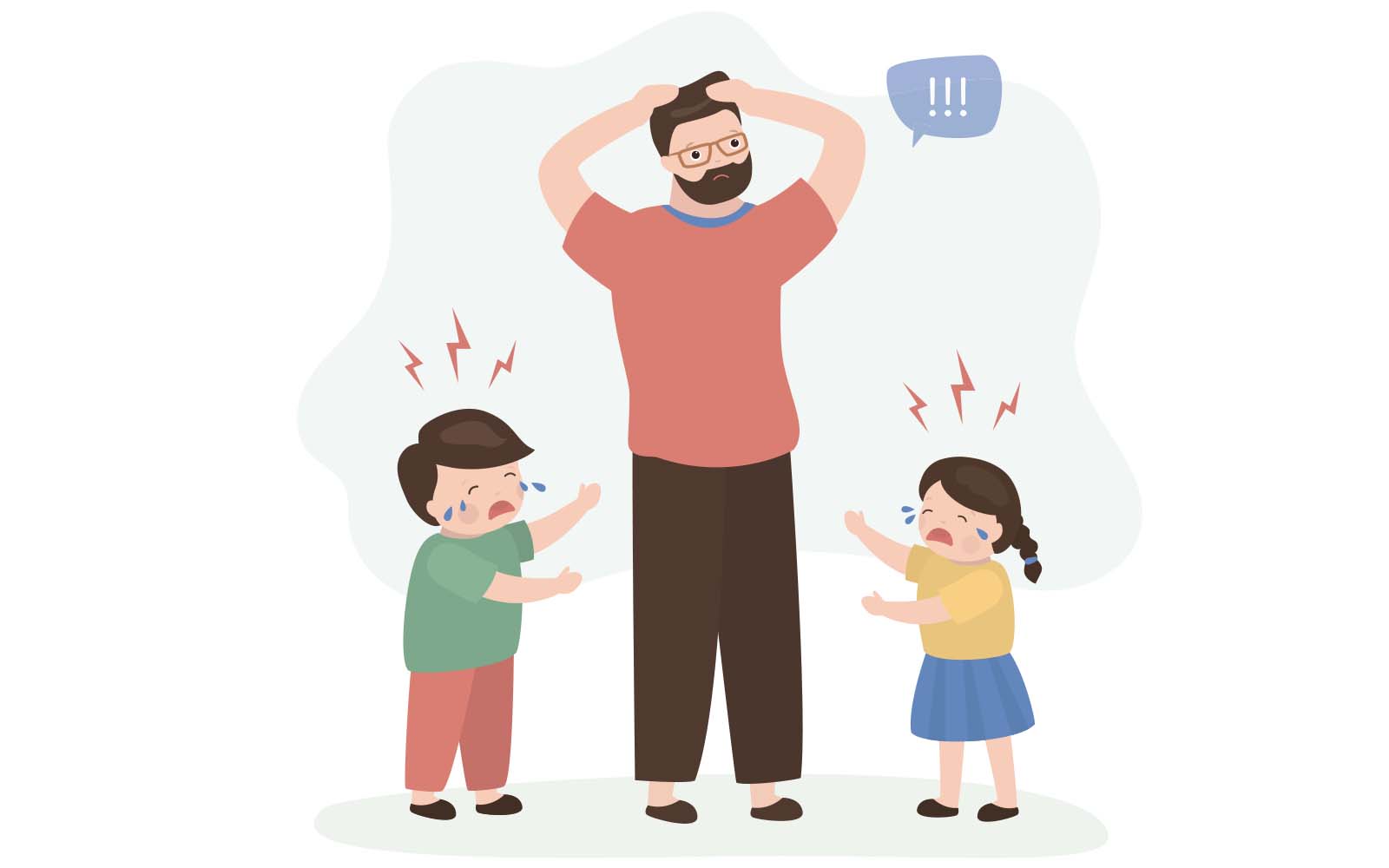
Be the "Anchor" in Their Storm
This is the hardest rule: Stay calm. When a child starts screaming, the worst thing a parent can do is scream back. If you match their anger, you're signaling that the situation is out of control. If you are feeling overwhelmed, take a breath. Sit near them patiently until the "storm" passes. Use simple, soothing words. Your calm presence is what helps their nervous system settle down.
The infamous "Terrible Twos" is essentially a phase where a child’s brain is experiencing complex emotions like jealousy, shame, or frustration for the first time, but they don't have the vocabulary to talk about it yet. Physical outbursts are quite literally their "first language." Think of this period not as a series of battles to be won, but as a daily investment in their emotional intelligence. By handling these moments with patience and a clear plan, you aren't just surviving the tantrums; you're building a foundation of trust and happy memories that will last long after the toddler years are over.




Comments