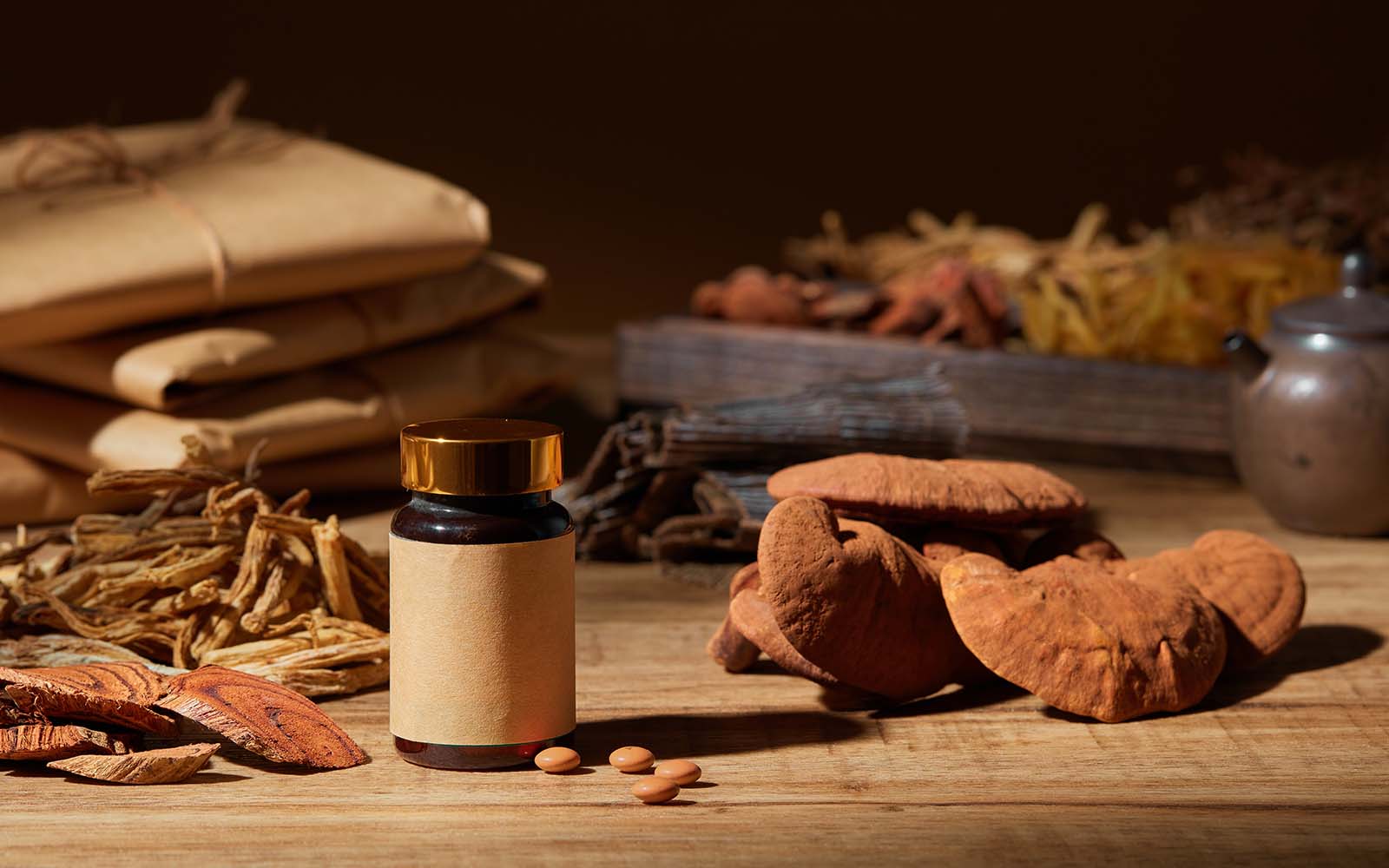
No matter how much modern technology advances, Myanmar Traditional Medicine, which balances the body's natural elements using medicinal plants from our environment, remains a vital and reliable pillar of the healthcare world. Its uniqueness lies in the focus on balancing the "Four Great Elements" (Mahabhuta) and integrating Buddhist teachings with ancient sciences. This holistic approach treats both physical and mental well-being. In this article, we will share the often-overlooked history of these remedies and guide you on how to choose high-quality, authentic traditional medicines.
History and Origins
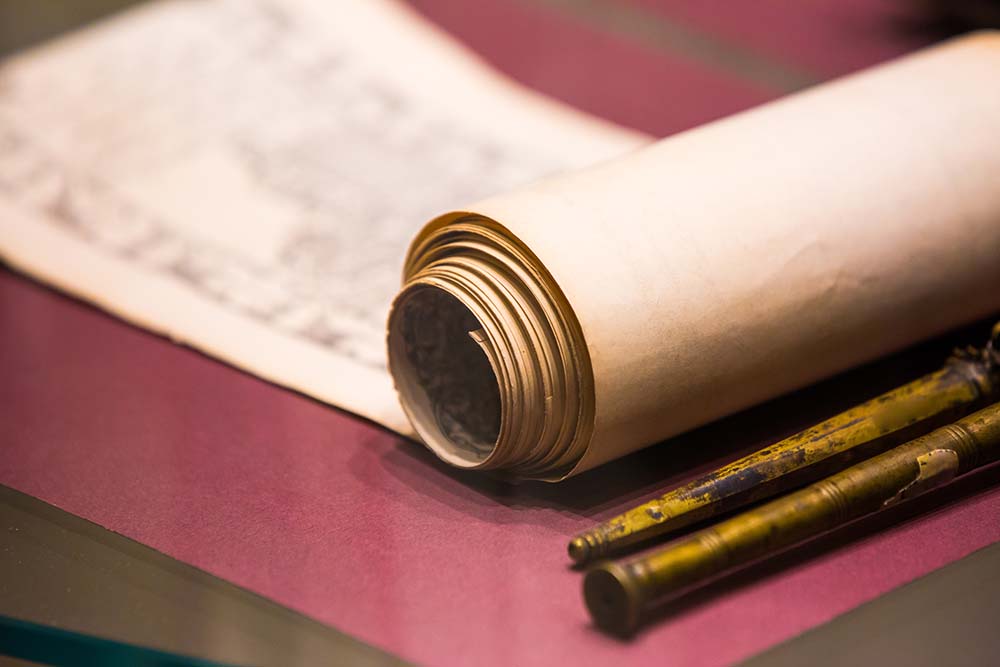
According to records, including those on Wikipedia, Myanmar Traditional Medicine flourished as far back as the Thaton and Tagaung eras. It is a precious heritage with a history spanning thousands of years. This medical system is rooted in the "Four Great Elements", Pathavi (Earth), Apo (Water), Tejo (Fire), and Wayo (Air), combined with Buddhist philosophy and Ayurvedic principles. Since ancient times, monks and royal physicians used indigenous natural herbs and roots to treat everything from digestive issues to chronic diseases. This knowledge was meticulously recorded on palm-leaf (Pe-mu) and folding-paper (Parabaik) manuscripts, allowing these life-saving practices to survive and serve our healthcare needs today.
Fascinating Principles and Treatments
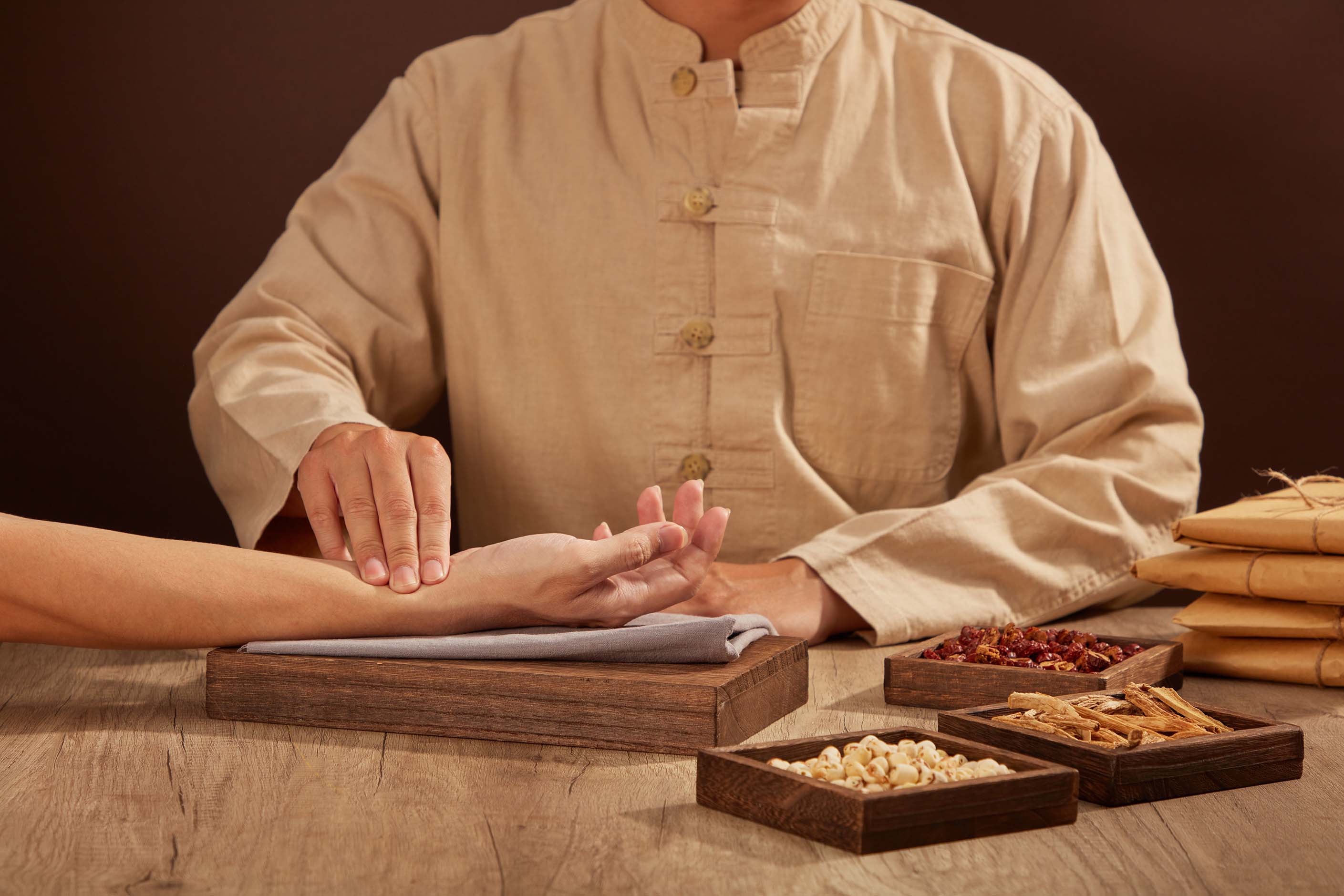
In diagnosing the root cause of an illness, practitioners look beyond just physical anatomy and seasons; they consider the "Four Causes": Kamma (Action), Citta (Mind), Utu (Season/Climate), and Ahara (Nutrition).
If an ailment is caused by the mind, the treatment focuses on mental clarity.
If caused by climate, it focuses on harmony with the environment.
If caused by nutrition, it focuses on dietary balance.
The hallmark of Myanmar medicine is this counter-balancing act, treating cold with heat and vice versa. Furthermore, treatments utilize the "Six Tastes" (Sweet, Sour, Salty, Bitter, Spicy, and Astringent) to ensure food and medicine work in harmony. By adjusting treatments according to the three stages of life (youth, middle age, and old age) and the changing seasons, the medicine aims to gradually eliminate the disease at its root.

How to Choose Authentic Quality
While traditional medicines are now widely available in the Myanmar market, it is crucial to choose authentic products that suit your body.
Check the TMR Number: Ensure the medicine is systematically registered by looking for the Traditional Medicine Registration (TMR) number issued by the Department of Traditional Medicine, Ministry of Health, on the packaging.
Prioritize GMP Standards: Choose products from companies that follow Good Manufacturing Practices (GMP). This ensures the medicine is free from dangerous heavy metals and prohibited chemicals like steroids.
Authorized Retailers: To ensure the potency and authenticity of the medicine, always purchase from authorized distributors, reputable pharmacies, or well-known outlets like City Care.
Now that you understand the rich history behind these remedies crafted from the natural bounty of our land, we hope you can preserve this heritage by choosing and using these medicines wisely. May you all achieve a healthy and happy life by consulting trusted pharmacies for the right traditional remedies!




Comments