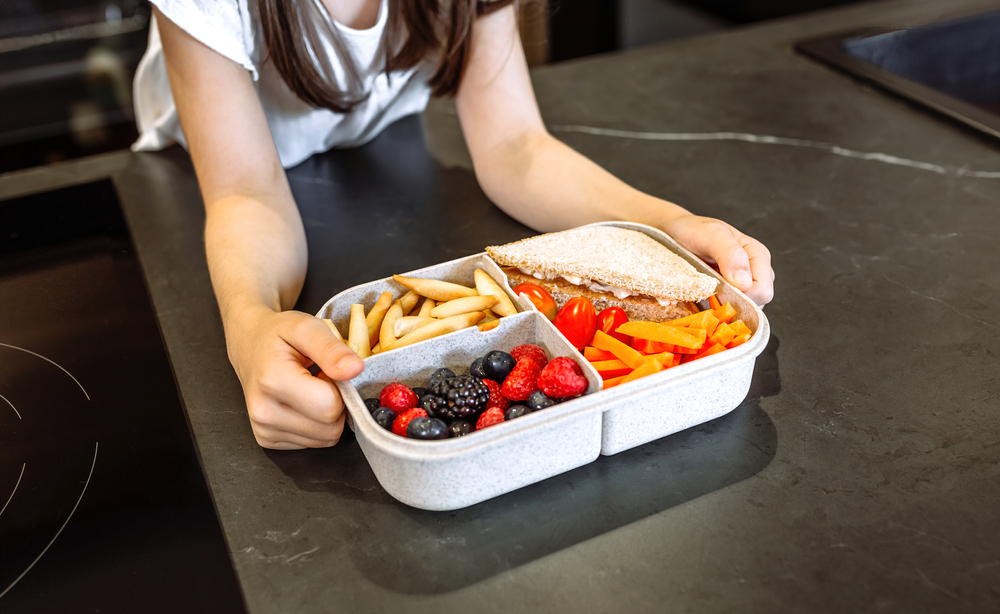
In most Myanmar families, we don’t often say the words “I love you” out loud. Instead, we express our love and deep care through the way we cook and prepare food for one another. That’s why the school lunchboxes, packed by parents or grandparents, are so much more than just plastic containers or stainless-steel tiffin box filled with meat and veggies. It wouldn’t be an exaggeration to say they are boxes overflowing with affection. Beyond that warmth, these meals lay the essential foundation for a healthy lifestyle. Let’s look at why these lunchboxes are about more than just satisfying a midday hunger; they are actually nurturing great eating habits for the future.
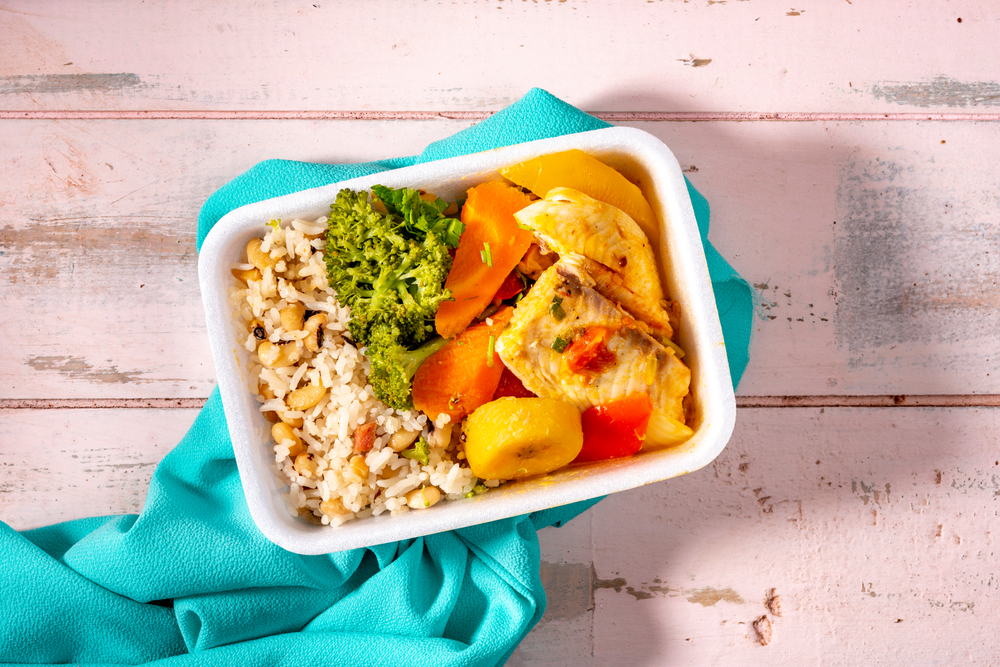
The Foundation of Balanced Nutrition
A lunchbox packed with the right proportions of rice, protein, and colorful vegetables does more than provide nutrients; the vibrant colors actually boost a child's appetite. By following standards like the Harvard Health Healthy Eating Plate, parents can train children to understand portion control and variety from a young age. Since kids are naturally drawn to outside snacks and fast food, parents should try to make home-cooked meals visually appealing and exciting. When a child learns to truly enjoy the taste of home, they are less likely to reach for salty or sugary processed foods, choosing instead the healthy path of the "home-cooked" lunchbox.

Shaping Future Eating Habits
A child’s eating habits usually start to set in stone by the time they are ten years old. Before they reach that milestone, home-cooked lunchboxes act as a tool to mold their relationship with food. Here is how that daily routine shapes their future:
No More Picky Eating: Introducing a balance of flavors, including sour and bitter notes alongside the sweet and savory, early on helps reduce "picky eater" syndrome later in life.
Valuing Home-Cooked Food: Kids who grow up eating fresh, home-cooked meat and vegetables are far more likely to carry the habit of cooking for themselves into adulthood rather than relying on instant meals.
Appreciating Visual and Flavor: Because their lunchboxes are prepared beautifully and in balanced portions, children learn not to rush their meals. They start to appreciate the visual presentation and the actual taste. This fosters Mindful Eating, which is one of the best ways to prevent obesity in the long run.

A Legacy of Health
At the end of the day, a lunchbox isn't just a container for food; it is a Health Legacy passed down from parent to child. It represents the family's "Metta" (loving-kindness) and the effort that goes into the kitchen every single morning. This mindset of being careful and thoughtful about what one eats stays with a child as they grow, serving as a powerful shield against various illnesses.
So, when we pack those lunchboxes, let’s keep creating a variety of balanced meals. Together, we can shape a lifetime of health for our children, one home-cooked box at a time.



Comments