
When shopping at the supermarket, finding products that align with your health goals can be challenging among thousands of options. It is not enough to simply look at the product name, packaging, or flavor; you must learn to read the nutritional labels on the back to make informed choices.
Understanding these labels helps you monitor the impact of the food you consume, allowing you to gauge how to eat for energy, manage your weight, and make conscious dietary decisions. Here is a guide on how to read nutritional labels to fit your lifestyle.
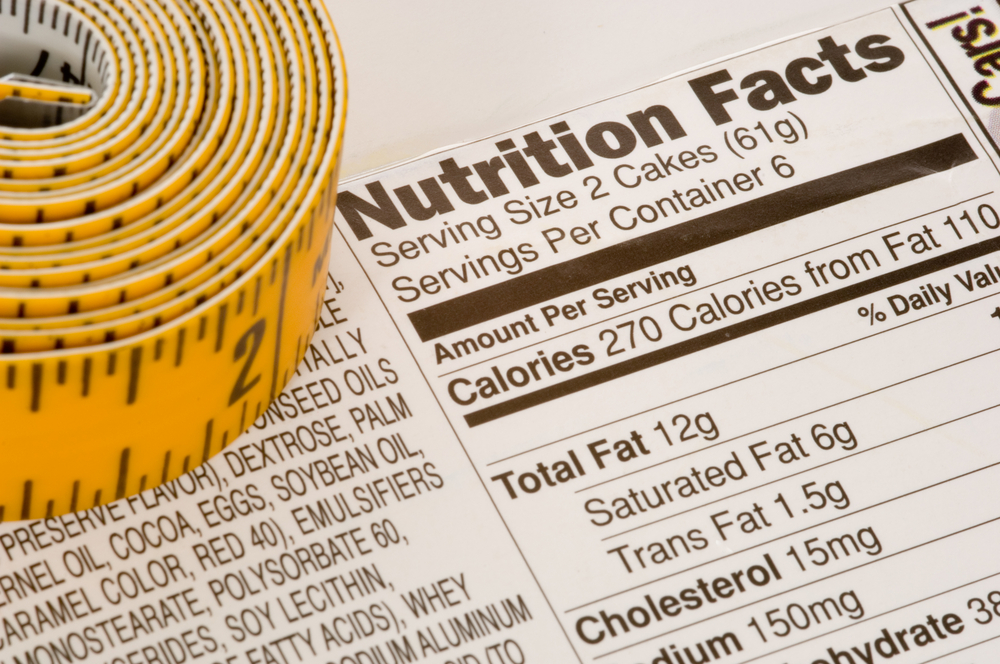
Serving Size
The calories, fat, sugar, and sodium listed on a package are not for the entire container, but for a single "serving size." For example, if a snack bag lists three servings per container but you eat the whole bag, you must multiply all the figures in the table by three. It is crucial to read these labels carefully to avoid overconsumption.
Calories
The label tells you exactly how much energy (calories) you will get from one serving. This calculation is essential for those who want to stay healthy or manage their weight, helping you ensure you don't exceed your daily caloric needs.
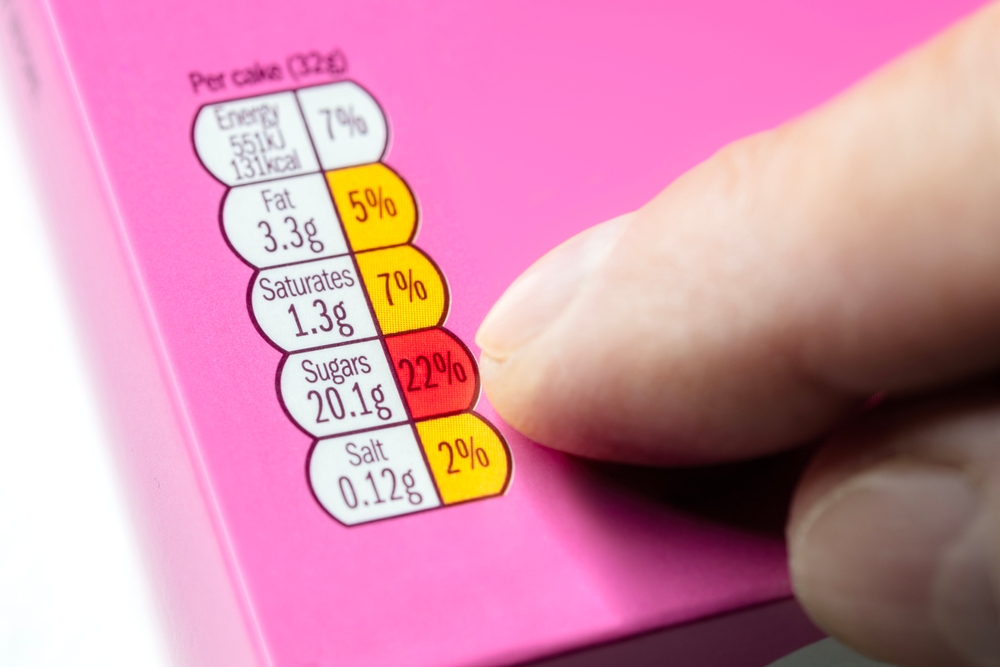
Fats, Sodium, and Sugar
Saturated & Trans Fats: Trans fats can raise your cholesterol and increase the risk of heart disease. Always look for products with 0g of trans fat.
Sodium (Salt): High sodium intake is linked to high blood pressure. Look for products with lower milligram (mg) counts per serving.
Added Sugars: These are sugars added during processing for taste, rather than natural sugars. High amounts of "Added Sugars" are linked to diabetes, so it is best to minimize them.
Essential Nutrients: Protein and Fiber
Prioritize foods high in nutrients that support your health, such as Dietary Fiber for good digestion, Protein for muscle repair, and essential vitamins and minerals like Calcium, Vitamin D, and Iron.
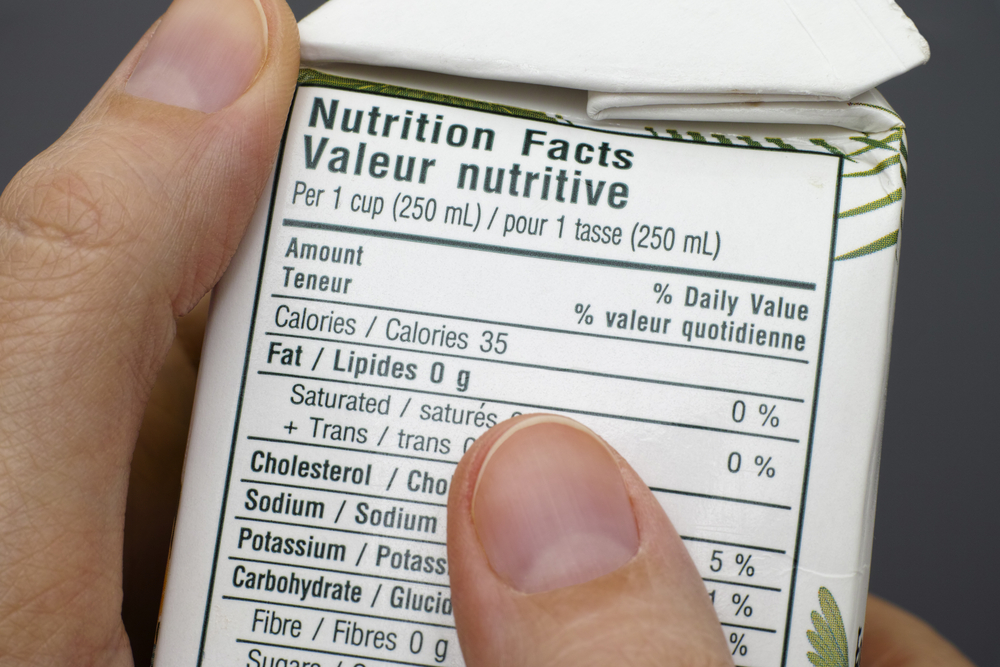
Percent Daily Value (% DV)
The "% Daily Value" is based on a standard 2,000-calorie daily diet. For example, if a product says "5% DV of fat," it means one serving provides 5% of the total fat you should consume in a day based on that 2,000-calorie limit. Note that if your personal daily caloric needs are higher or lower than 2,000, these percentages will shift accordingly.
Reading nutritional labels is a powerful tool for maintaining a healthy lifestyle, preventing chronic conditions like diabetes and hypertension, and ensuring you get the best nutritional value for your money. Next time you go shopping, take a moment to analyze the back of the package, your health will thank you for it!




Comments