As summer arrives, electricity bills often spike due to the increased use of air conditioners and fans, as well as higher water consumption. Beyond just turning off lights, understanding the efficiency of your appliances can make a significant difference in your monthly expenses. Taking small, proactive steps now will not only save you money but also reduce the strain on the national power grid during peak heat. To understand where these "leakages" occur and how to save effectively, read this article carefully.
Air Conditioner
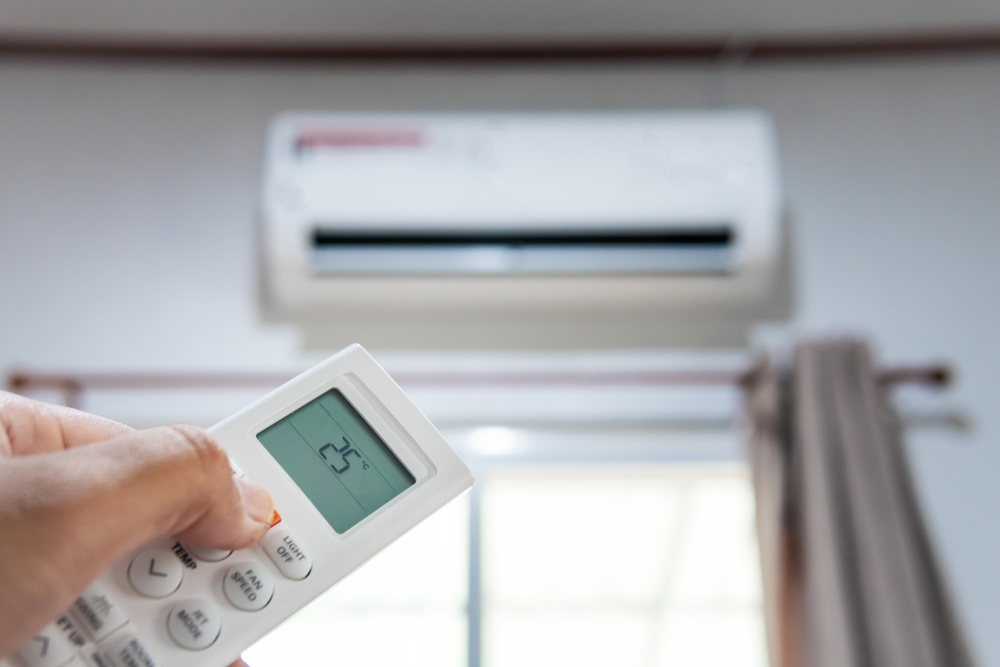
Among household appliances, air conditioners consume the most electricity. However, turning them off completely isn’t practical in extreme heat. So how can we stay cool without increasing electricity bills? Air conditioners work by absorbing warm air from inside the room and releasing it outside while blowing cool air back in. Once the set temperature is reached, the system pauses and restarts when the room warms up again. If the outside temperature is around 40°C and you set your AC to 16°C, the unit has to work extremely hard. Due to the heat outside, the room quickly warms up again, causing the AC to run continuously, leading to higher electricity usage. It’s recommended to set your AC to a moderate temperature like 23–24°C instead of making it too cold. You can also reduce heat by installing sunshades or using heat-resistant materials on walls and ceilings. This helps your AC work more efficiently and lowers electricity costs.
Lighting
If you prefer a brightly lit home all the time, your electricity bill will naturally increase. Also, keeping many lights on can raise indoor temperatures. To save energy, turn off unnecessary lights. Use lower-watt bulbs in areas like bathrooms where bright lighting isn’t essential. Always remember to switch off lights after use, it’s not just about saving electricity, but also a good habit. During the day, rely on natural sunlight instead of artificial lighting. For areas like staircases or entrances, consider motion sensor lights that turn on only when needed. And don’t forget to turn off all lights when leaving the house.
Iron
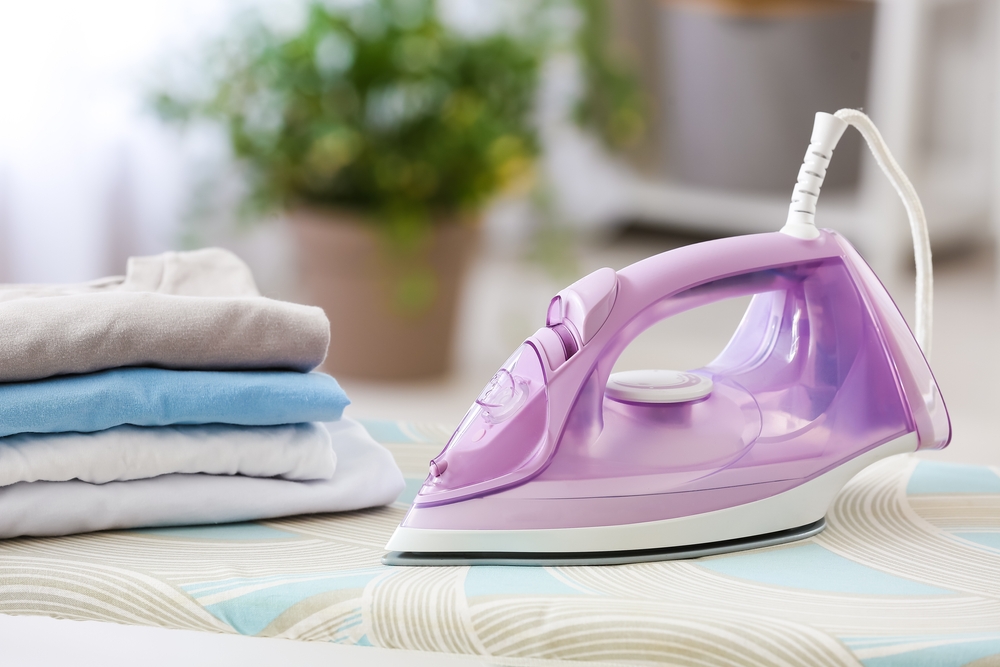
Electric irons typically use between 1000 to 2500 watts, making them high-energy appliances. Lower-power irons may not be effective enough.
If you turn off the iron while doing other tasks, it cools down. When you turn it back on, it has to reheat from scratch, consuming more energy. Also, ironing in an air-conditioned room increases electricity usage since the AC and iron counteract each other.
Refrigerator
Refrigerators operate similarly to air conditioners. Once the desired temperature is reached, they stop running and restart when it warms up. Common reasons for higher energy use include:
- Damaged door seals letting cold air escape
- Keeping the door open for too long
- Placing hot food inside
Regular cleaning helps improve efficiency and extends the lifespan of your refrigerator.
Washing Machine & Dryer
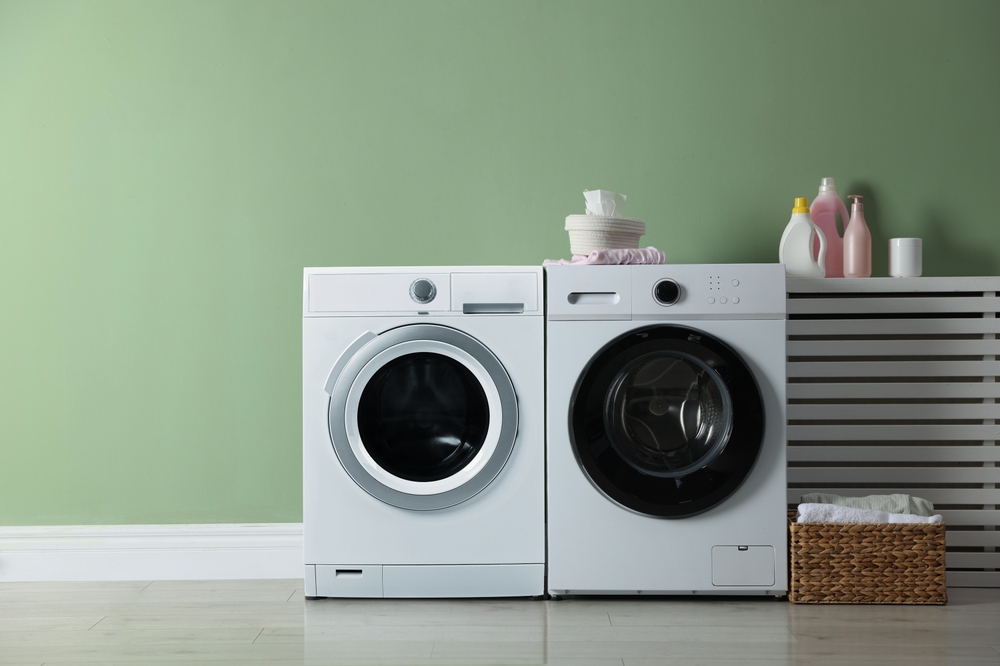
Washing machines run for long periods and consume a fair amount of electricity. Instead of washing a few clothes frequently, it’s more efficient to wash full loads at once to save both water and electricity. Dryers use heating coils that consume significant energy, so it’s best to use them only when necessary. Modern electrical appliances make life more convenient, but improper use can lead to high electricity bills and safety risks. Always unplug devices like phone chargers and hair dryers after use.
By following these simple tips, you can use your home appliances safely while keeping your electricity costs under control.





Comments