PCOS (Polycystic Ovary Syndrome), one of the most common hormonal disorders among women, has officially been renamed by medical experts as PMOS (Polyendocrine Metabolic Ovarian Syndrome). While it was previously known as a condition involving cysts on the ovaries, this name change aims to more accurately reflect our evolved understanding of the syndrome’s complex nature. In this article, we’ll break down what this hormonal disorder, now known as PMOS, actually is, why it occurs, and the symptoms you need to be aware of.
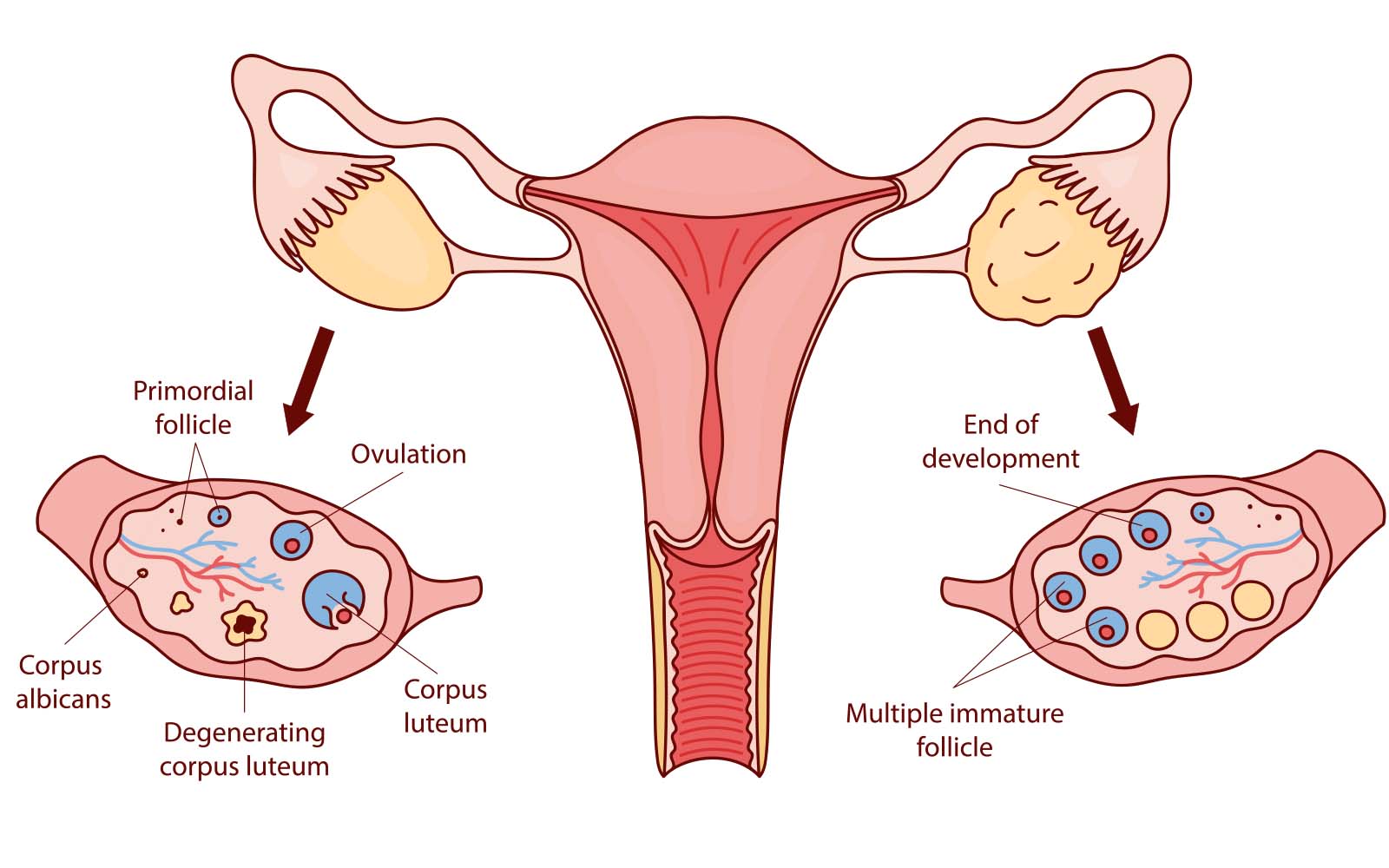
First, what exactly is PMOS?
It is a disorder caused by hormonal imbalances and metabolic dysfunction. Today, it is understood as a much more complex condition than simply having "cysts on the ovaries." Because symptoms and manifestations vary significantly from person to person, and involve major hormonal fluctuations, it affects the internal functioning of the uterus and requires long-term health management.
To put it simply, in a healthy woman, multiple follicles begin to grow in the ovaries each month, and one eventually matures to release an egg (ovulation). According to a report by The Guardian, in women with PMOS, these follicles begin to grow but stop at a certain stage, failing to mature or release an egg, which leads to the inability to ovulate.
Key Symptoms
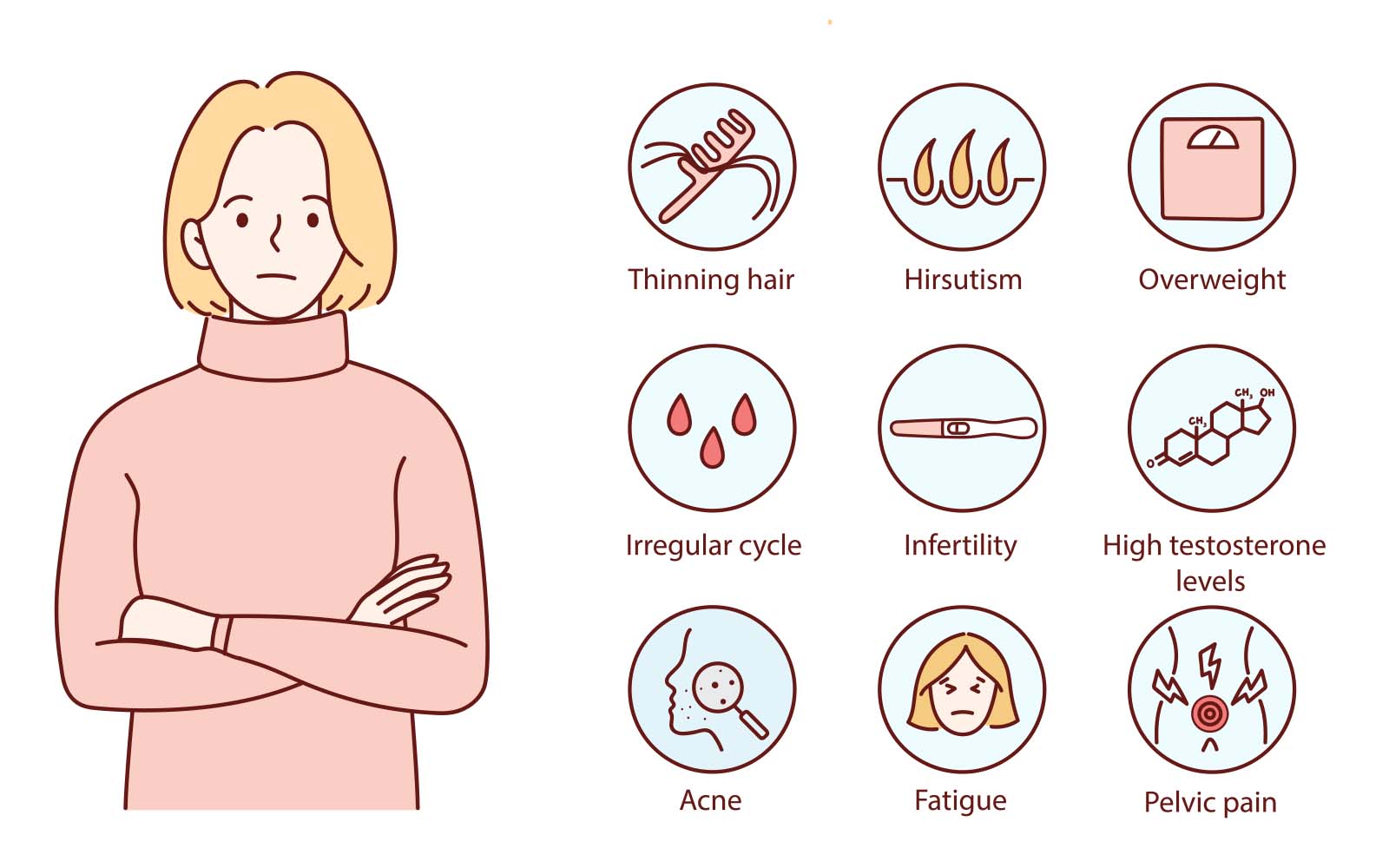
While symptoms vary, the syndrome can affect multiple parts of the body. According to the WHO, approximately 70% of women affected by this condition are unaware that they have it.
Irregular Menstrual Cycles: This includes long cycles, inconsistent periods, or having fewer than eight to nine periods a year. Because of the lack of ovulation, this can also impact fertility.
Hyperandrogenism (Excess Male Hormones): This can lead to hirsutism (excess hair growth on the face, chest, abdomen, or back), dark skin patches, and severe, persistent acne.
Metabolic Changes: Rapid weight gain, particularly around the abdomen, is a primary symptom. This type of fat can weaken the body’s insulin sensitivity.
Mental & General Health: Many women also experience depression, extreme anxiety, chronic fatigue, and sleep disturbances.
Daily Health Considerations
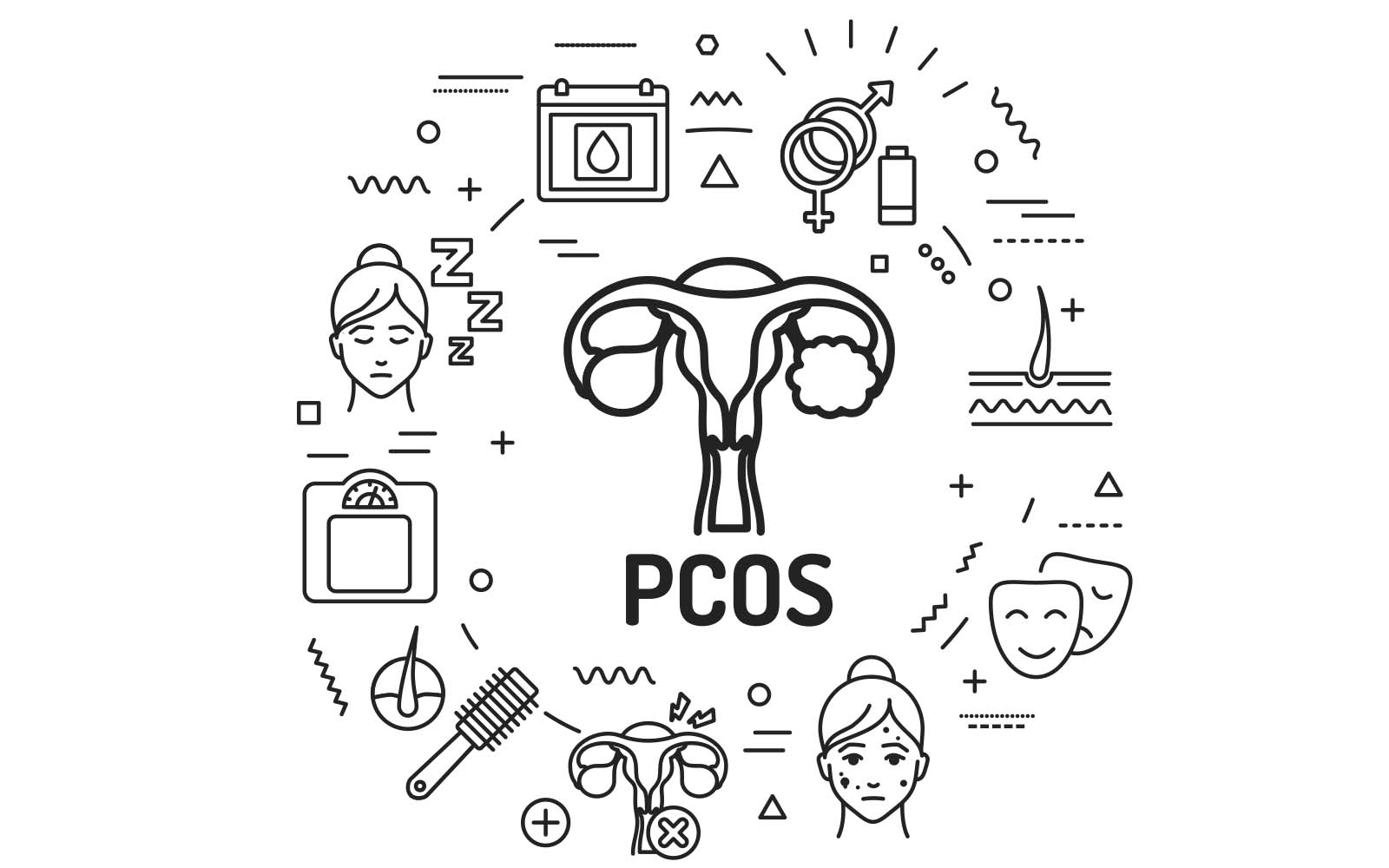
The shift from PCOS to PMOS reflects that this is no longer just a reproductive health issue, it is a comprehensive health condition that requires looking at the body as a whole. Modern lifestyle factors such as increased stress, more sedentary time spent indoors or at desks, and changes in diet, have made the symptoms of PMOS much more prevalent. Given this, it is essential to focus on overall well-being, including maintaining a healthy diet and lifestyle, to manage these symptoms or prevent the condition from worsening.
This article provides general information and should be used for educational purposes only. If you suspect you may have this condition, please consult a trusted medical professional to undergo a proper diagnosis and receive professional care.




Comments