
Pregnancy is a phase filled with many physical and emotional changes, making it a challenging period for expectant mothers. Especially during rest and sleep, discomfort caused by pregnancy, along with hot weather and other factors, can make it difficult to sleep well. This often leads to fatigue and low energy.
During this time, getting enough sleep is very important for mothers, not only to restore energy for the next day but also to support the healthy development of the baby. Therefore, understanding safe and comfortable sleeping positions is essential, as it can also help reduce unnecessary worries.
Proper Sleeping Positions
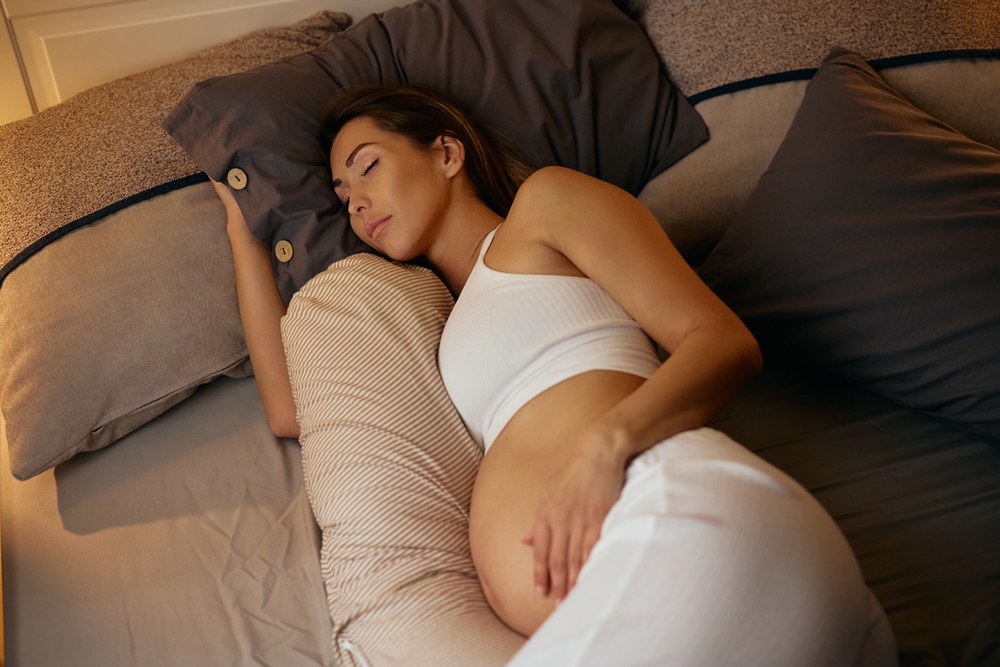
According to medical experts, the best sleeping position during pregnancy is lying on your side, also known as SOS (Sleep On Side). In particular, sleeping on the left side is considered the most beneficial.
This is because sleeping on the left side improves blood circulation to the placenta, helping deliver sufficient nutrients and oxygen to the baby. It also supports kidney function, which can help reduce common pregnancy symptoms such as swelling in the hands and feet.
To maintain a comfortable side-sleeping position, placing a pillow between your knees can help align the hips and reduce back pain. Additionally, placing a pillow behind your back can prevent you from unintentionally rolling onto your back while asleep, helping you sleep more comfortably. More details can also be found on health websites like What to Expect.
Sleeping Positions to Avoid
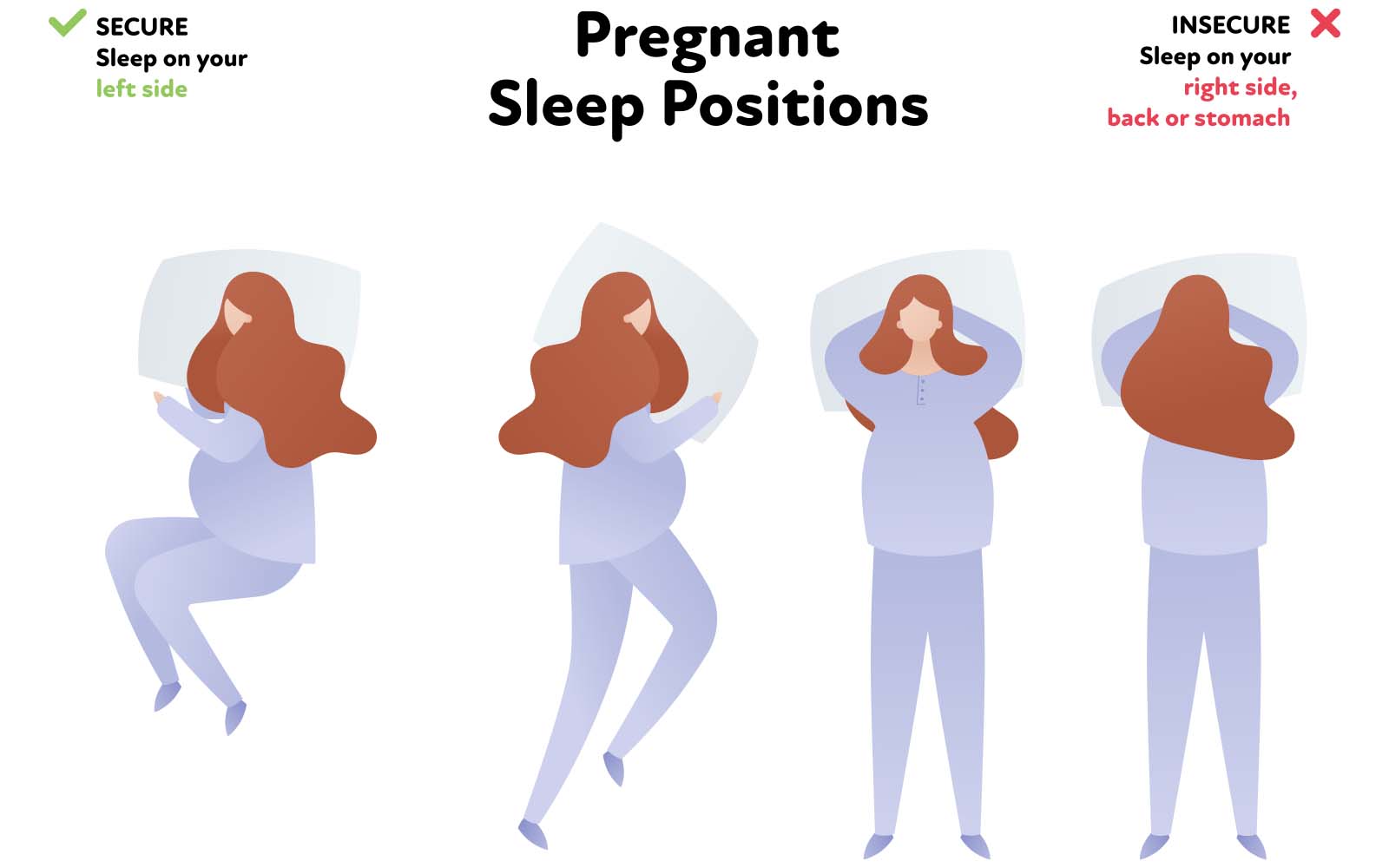
As mentioned above, side sleeping is the safest option. Therefore, sleeping on your back or stomach should be avoided.
After entering the second trimester (around five months), sleeping on your back should be minimized as much as possible. This position can cause the weight of the uterus to press on major blood vessels, leading to dizziness, difficulty breathing, and low blood pressure for the mother. It may also reduce blood flow to the baby, so it’s important to stay mindful and sleep on your side.
Sleeping on your stomach may not be an issue in early pregnancy, but as the belly grows, it becomes uncomfortable and impractical. It can put pressure on the baby and cause strain on the mother’s neck and shoulders. Therefore, this position should be avoided throughout pregnancy. The American Pregnancy Association also recommends developing the habit of side sleeping from early pregnancy to ensure better comfort throughout the entire period.
We hope this article provides helpful guidance on the do’s and don’ts of sleeping during pregnancy. Wishing both mother and baby good health, comfort, and well-being throughout this important journey.



Comments