
While gray hair is a natural sign of aging that typically appears in its own time, many young people today are noticing silver strands as early as their 20s, or even during their teenage years. When you first spot them, it's common to feel a mix of surprise, worry, and frustration, often making you feel older than you truly are.
Since hair is often considered our "second face," maintaining its beauty is important. However, constantly plucking or dyeing hair isn't a sustainable solution and can be quite exhausting. You might wonder: is it just genetics, high stress, or perhaps a nutritional deficiency? Let’s explore the answers in this article.

Genetics
The primary reason many people experience early graying is genetics. If your parents or grandparents started graying in their 20s, you likely inherited the same DNA pattern. According to research (such as studies mentioned by University College London), hair color is controlled by cells called Melanocytes and the IRF4 gene, which regulates Melanin production. If your genetic makeup is programmed to stop producing these pigment cells early, your hair will naturally lose its color and turn white once you hit your 20s.

Stress and the Environment
While genetics sets the stage, stress and your surroundings can also play a major role. Scientific findings published in Nature show that extreme stress triggers the release of Norepinephrine, a hormone that can actually damage the color-producing cells in hair follicles. Additionally, environmental factors specific to Myanmar, such as intense heat, UV exposure, and air or water pollution, can accelerate the process. These modern-day stressors and environmental changes not only lead to premature graying but also contribute to signs of early aging in general.
Nutritional Deficiencies
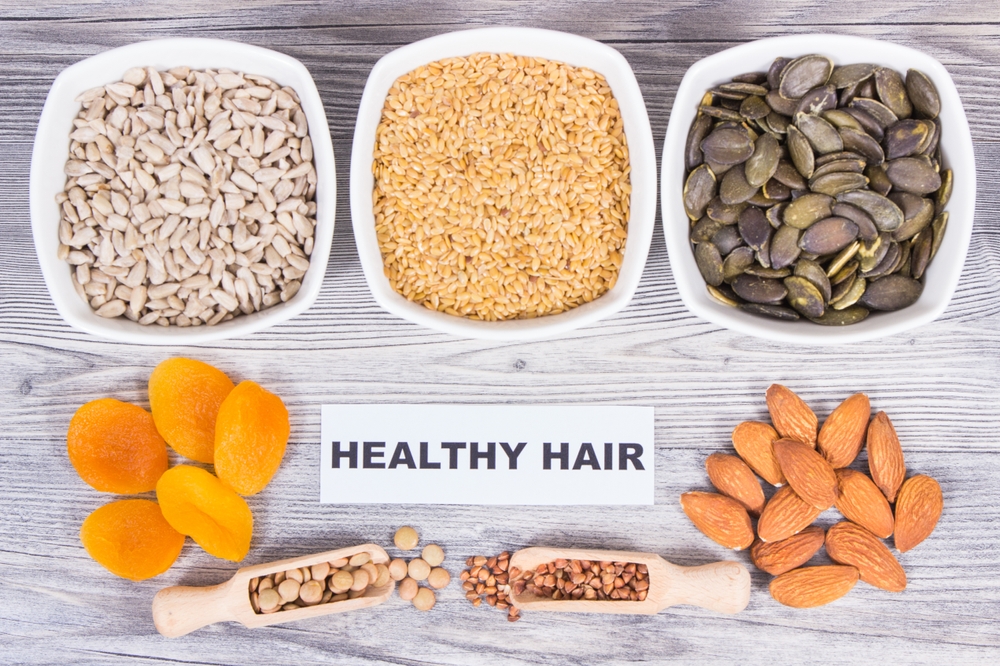
A diet lacking in Vitamin B12, Vitamin D3, and Copper is a known contributor to premature aging and gray hair. To combat this, young people should avoid being picky eaters and regularly incorporate superfoods like black sesame, almonds, and red lentils (or red beans) into their meals. These foods provide the essential nutrients required for Melanin production. By ensuring your body is well-nourished, you can effectively slow down the rate at which gray hair appears.
Graying at a young age can be a result of your genetic inheritance, your lifestyle, or a combination of both. While you cannot change your DNA, you can manage your stress levels and shift toward a healthier lifestyle. We encourage you to regularly check in with your body’s nutritional needs rather than just covering up the symptoms.





Comments