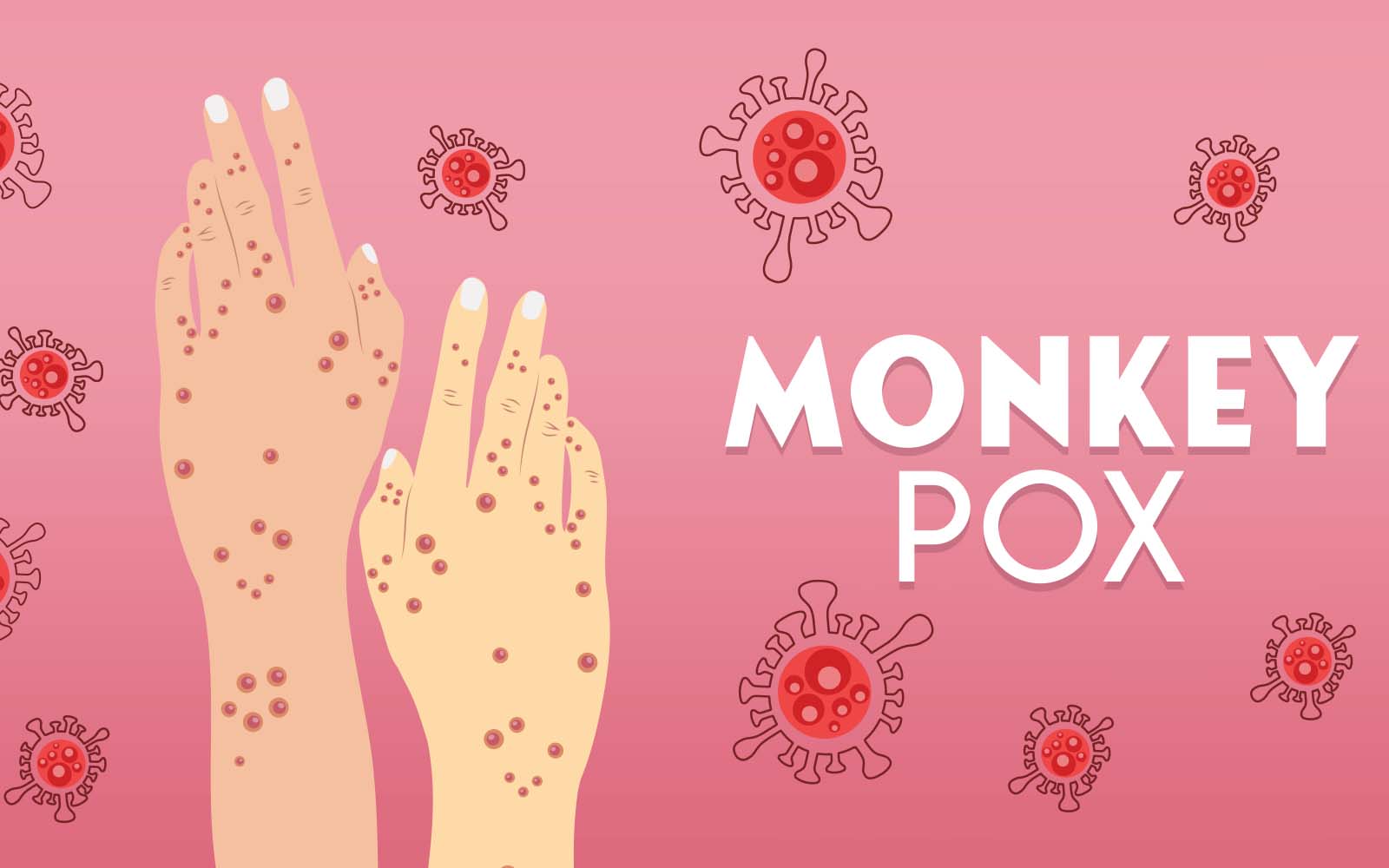
Mpox (formerly known as monkeypox) is a viral disease that spreads from animals to humans and is a condition currently being monitored globally. Originating from the monkeypox virus, symptoms include skin rashes, fever, headaches, and muscle aches. While most people recover, some can experience severe illness. Since prevention is better than cure, this article aims to provide essential information about the disease and how to protect yourself and your community.
History
The disease was first identified in 1958 in laboratory monkeys used for research in Denmark and was initially confined to wildlife in Central and West Africa. However, according to Wikipedia, the first human cases were detected in 1970 in the Democratic Republic of the Congo, and it has spread globally as an international health concern from 2022 to the present. Before that period, infections outside of Africa were extremely rare and primarily associated with travel to endemic regions. This virus can spread through contact with items used by an infected person, such as clothing or bedding, as well as through contact with or inhalation of particles from contaminated materials or infected animals, making it important to maintain distance.
Symptoms
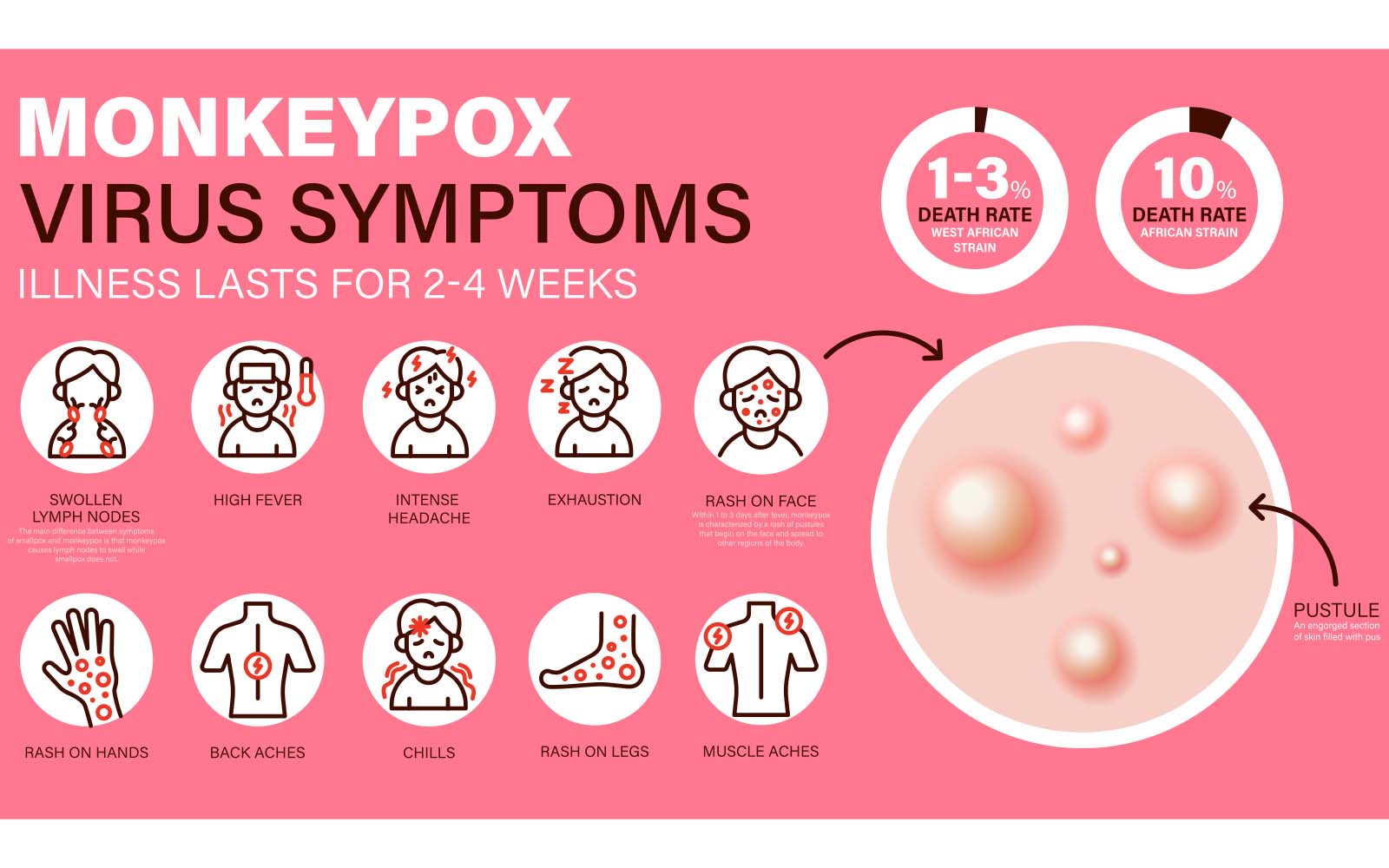
To effectively prevent the spread of mpox, it is necessary to recognize symptoms early. Symptoms typically appear within three weeks of exposure to the virus. Common symptoms include:
Skin Rashes: This is the most visible sign and is considered a suspected indicator of mpox. The spots and bumps develop into fluid-filled blisters and typically heal after scabbing over.
Flu-like Symptoms: Most people experience fever, chills, headaches, and muscle aches.
Swollen Lymph Nodes: This is a distinctive sign that helps differentiate mpox from other skin diseases like chickenpox or measles.
Fatigue: Those infected with the virus often experience severe exhaustion and lethargy.
Treatment
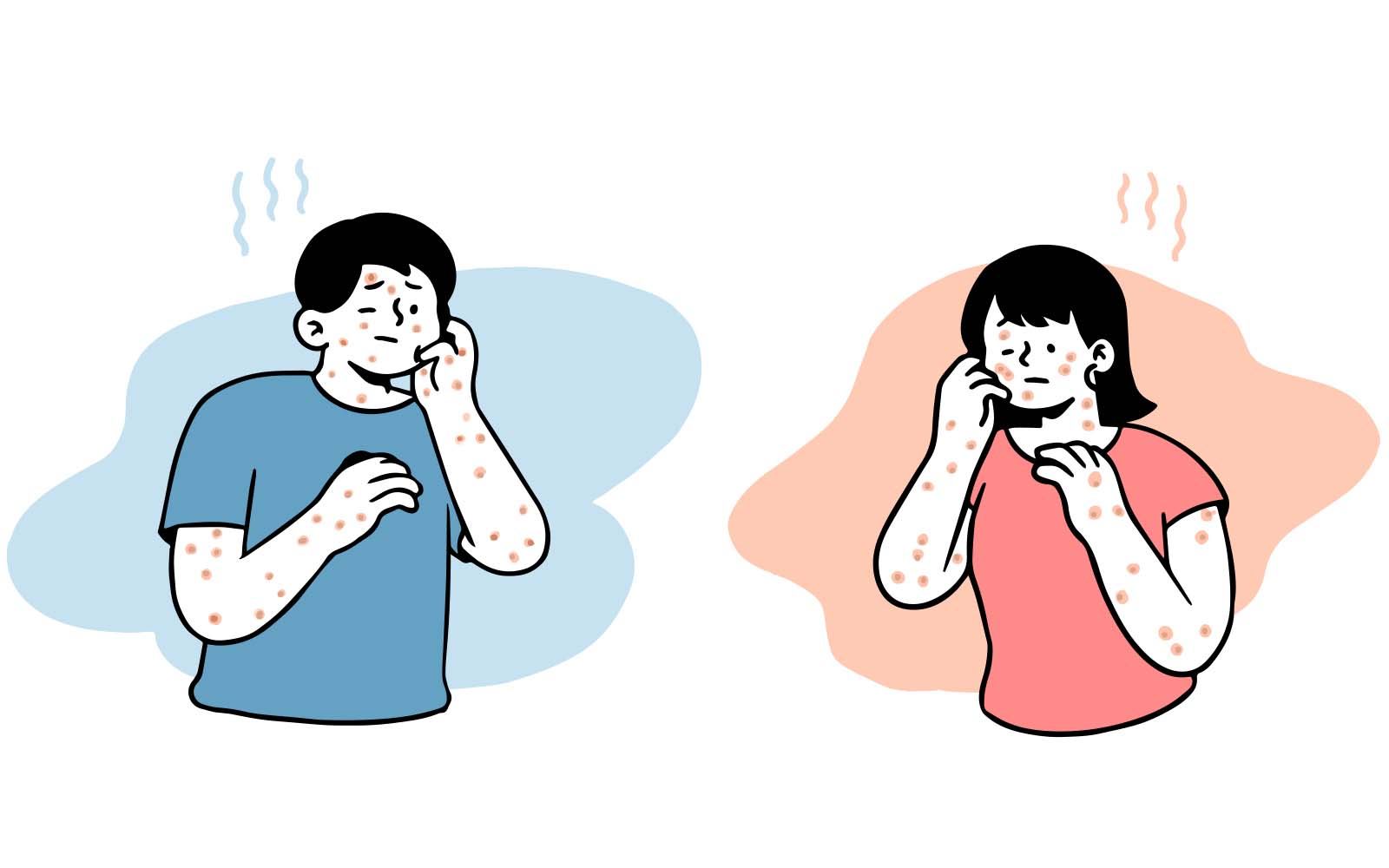
Since mpox is a disease that often resolves on its own, a WHO article suggests that treatment should focus on alleviating symptoms and preventing complications.
- You can use fever reducers and pain/anti-inflammatory medications as directed by a healthcare professional to manage symptoms.
- To prevent transmission, suspected or confirmed patients should isolate from others until all skin scabs have fallen off and fresh skin has formed.
If you suspect you have symptoms of mpox, it is crucial to consult with a medical professional for testing and seek treatment at the nearest hospital or clinic.
Prevention
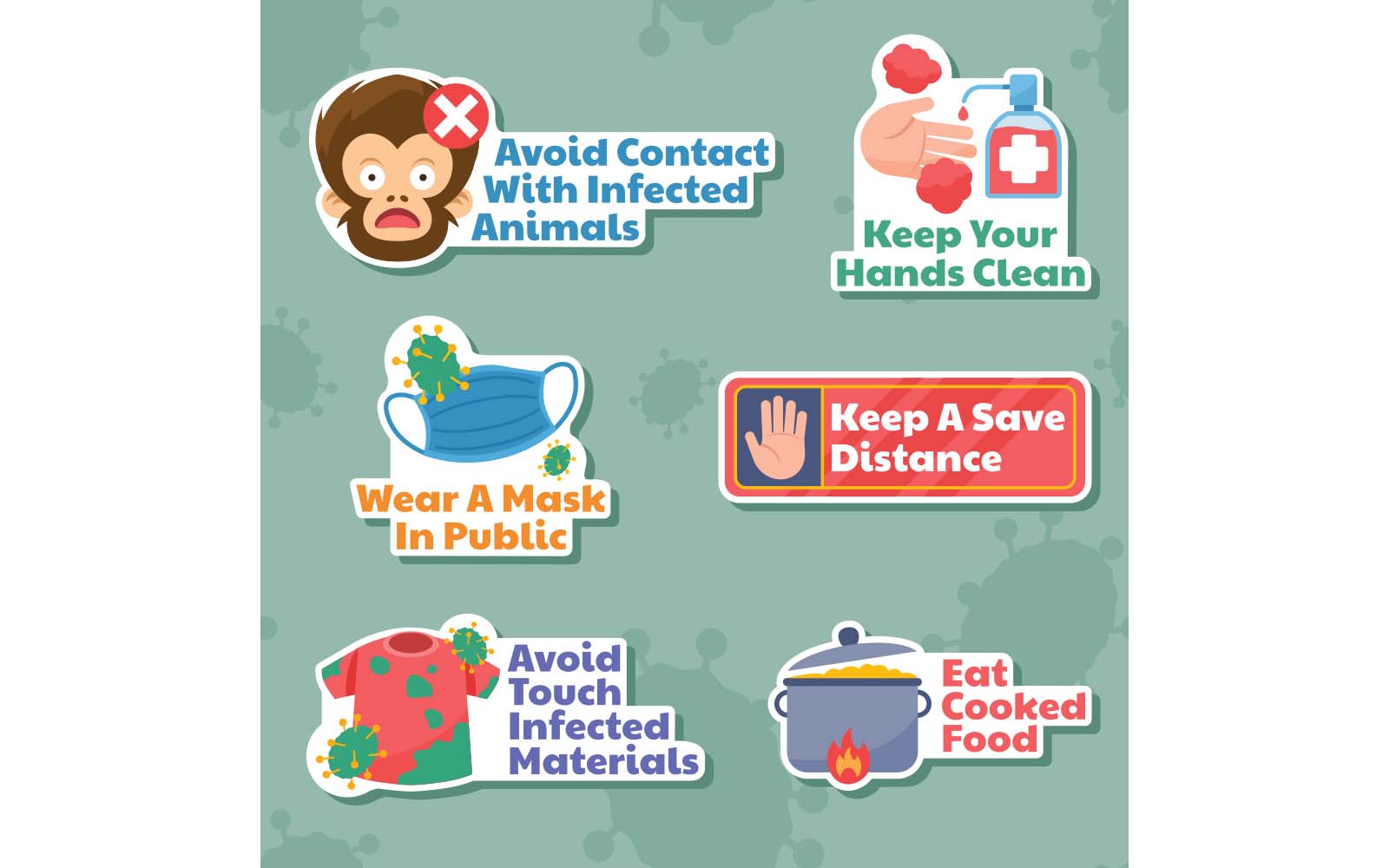
Knowing effective preventative measures is the best way for you and your family to control the mpox virus. It is essential to avoid close contact with people showing symptoms, including skin-to-skin and sexual contact. Additionally, practicing good personal hygiene, such as washing hands thoroughly, wearing a mask, and maintaining a healthy lifestyle, are the best ways to control the spread of the infection.
We hope that understanding the symptoms and preventative measures for mpox will be helpful for your health and your community. And recommend prioritizing personal hygiene and staying updated on the latest health news regarding this disease; we wish everyone good health, happiness, and safety.





Comments