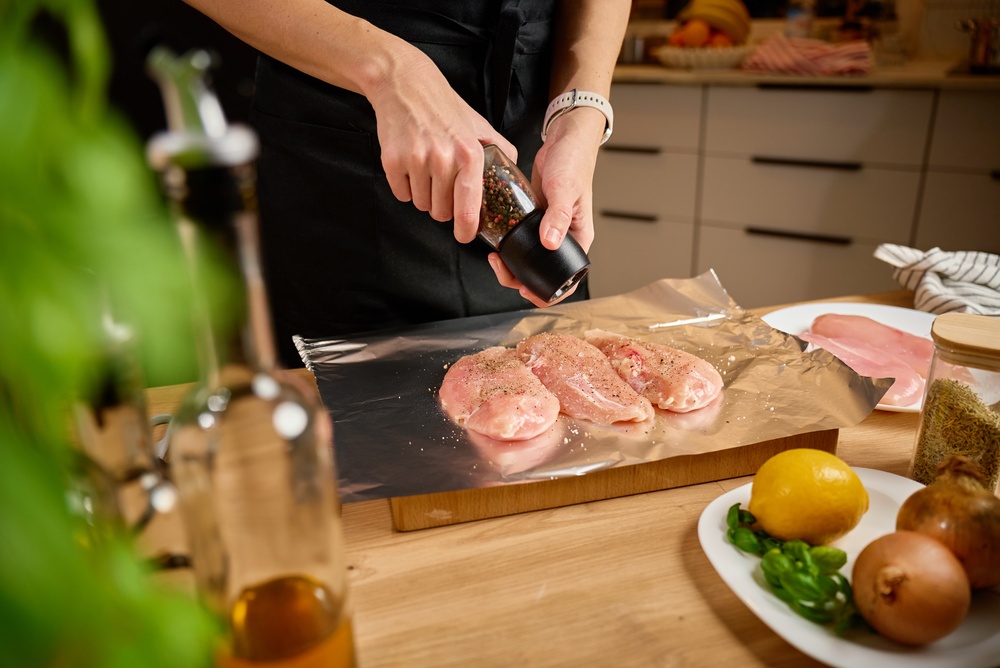
Chicken is a staple food that is easy to buy and cook, providing the body with essential protein. While chicken is packed with nutrients, the way you cook it can significantly impact how much of those nutrients your body actually receives. Often, we lose nutritional value by discarding the most nutrient-rich parts, failing to cook the meat properly, or using excessively high heat that destroys vitamins. To help you enjoy delicious, nutritious chicken whether you are frying, stewing, or boiling, here are some key tips.
Why Cooking Methods Matter
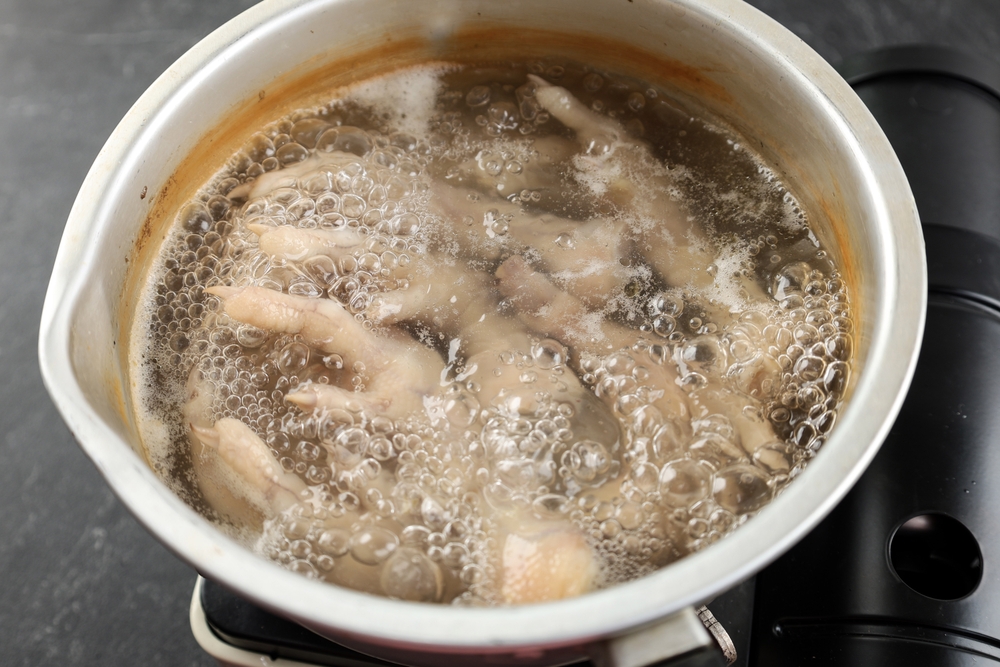
According to a Healthline article, the B vitamins found in chicken, B3, B6, and B12 are sensitive to high heat and prolonged cooking. Because many of these essential vitamins are water-soluble, boiling chicken in too much water and discarding the broth causes those nutrients to leach out of the meat and go to waste. Therefore, using methods like steaming or pressure cooking is more effective; these techniques keep the meat tender, reduce cooking time, and preserve the Vitamin B-complex, iron, and high-quality protein.
The Best Ways to Cook Chicken
To cook chicken healthily, focus on controlling temperature and cooking time to ensure the meat remains moist and nutrient-dense.
Temperature-Controlled Cooking (Sous Vide): This method involves sealing the meat in an airtight plastic bag and cooking it in water at a constant, low temperature. This preserves the moisture, ensures the inside is cooked thoroughly, and prevents vitamins from breaking down.
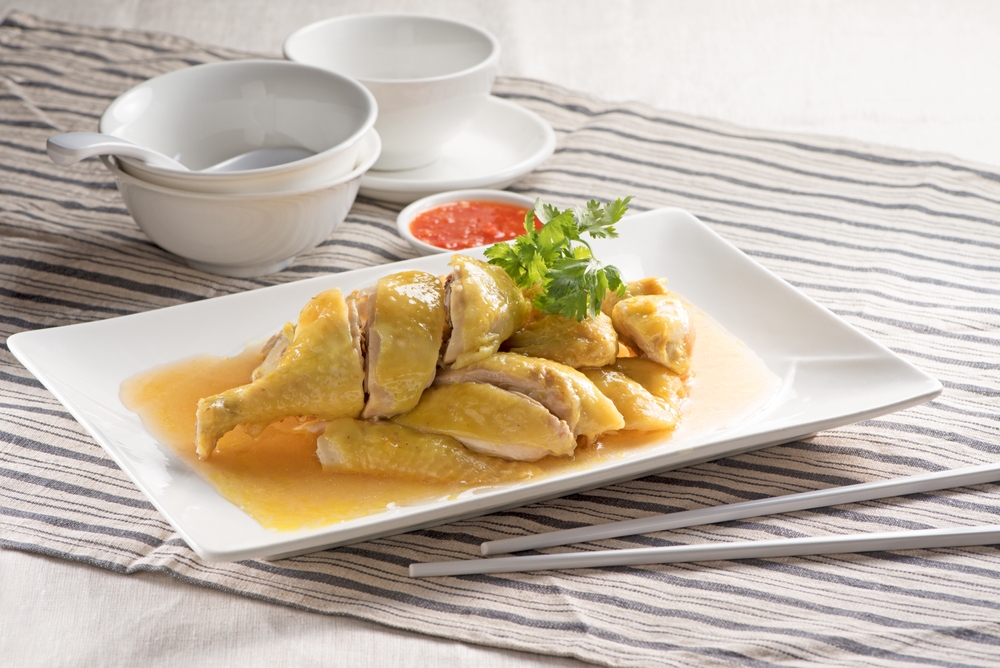
Steaming: Since this method prevents direct contact between the meat and water, it preserves water-soluble nutrients while keeping the texture soft and tender. Pressure cooking also achieves similar results in nutrient retention.
Roasting: This method helps retain fat-soluble vitamins (A, D, E, and K) and minerals like iron, preventing them from being lost in cooking liquids.
Pro Tips
Beyond cooking methods, pay attention to preparation and monitoring.
- Cut into smaller pieces: Before cooking, cutting chicken into smaller pieces reduces the time it is exposed to heat, which helps minimize vitamin loss.
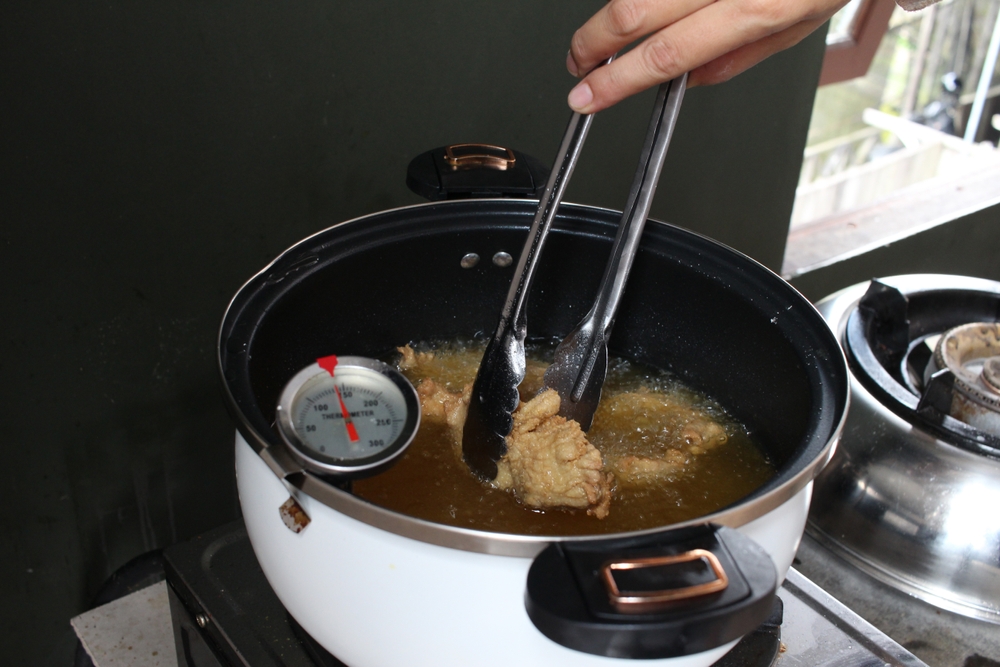
- Monitor temperature: To kill bacteria and ensure the meat is fully cooked, the internal temperature should reach 165°F (74°C). Using a meat thermometer is the most accurate way to prevent undercooking or overcooking.
- Use the broth: If you are boiling chicken, do not discard the leftover water. Instead, use it as a base for nutrient-rich soup so you don't waste the vitamins and minerals that have leached into the liquid.
When cooking chicken, aim for more than just getting it "done." By controlling the temperature and timing and choosing the right method, you can preserve the protein and moisture, ensuring that every meal is as healthy as it is delicious.



Comments