
Do you ever find yourself reaching for an energy drink to shake off morning grogginess, fight midday drowsiness, or power through an all-nighter for study or work? While most of us are somewhat aware that these beverages have both pros and cons, their booming popularity, sweet taste, and instant alertness boost make them highly addictive. But as the old saying goes, "the dose makes the poison." If energy drinks have become a daily staple in your routine, it is vital to understand the long-term impacts they can have on your health.
Here is a closer look at the science, ingredients, and hidden health risks behind your favorite energy drinks.

The Danger of High Caffeine Content
The immediate surge of alertness you feel after downing an energy drink is primarily driven by caffeine. While moderate caffeine consumption is generally safe, energy drinks pack a concentrated punch into a single serving.
For comparison, a standard cup of brewed coffee contains about 90 mg to 100mg of caffeine. In contrast, a single can of an energy drink can contain anywhere from 150mg to well over 300mg.
This massive dose of caffeine blocks the adenosine receptors in your brain (the chemical signals that tell your body it is tired), temporarily masking your fatigue while triggering a flood of dopamine and adrenaline. While an occasional drink is harmless, regularly consuming over 400mg of caffeine a day can trigger severe heart palpitations, elevated blood pressure, and chronic insomnia, according to safety reports by the U.S. Food and Drug Administration (FDA).
The Sugar Crash Cycle
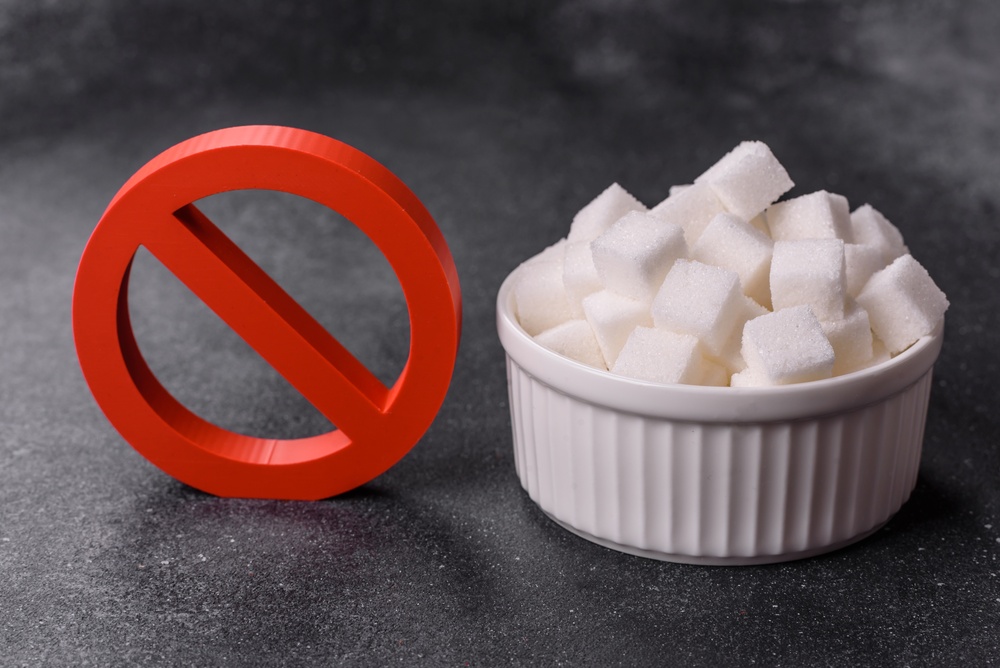
One sip of that sweet, sharp flavor is enough to tell you that these drinks are loaded with sugar. To deliver a rapid spike in energy, manufacturers rely heavily on massive doses of refined sugar or high-fructose corn syrup.
When you drink these liquid sugars, your blood glucose levels spike dramatically. To counteract this sudden surge, your pancreas is forced to work overtime, releasing an excessive amount of insulin to clear the sugar from your blood.
Once insulin rapidly sweeps the glucose away, you experience a severe "sugar crash." This sudden drop leaves your body feeling significantly more exhausted and drained than before you had the drink. This cycle often leads to increased fatigue, irritability, and intense cravings for more sugar, trapping you in a cycle of dependency.

Accelerated Dehydration Risks
In Myanmar's hot tropical climate, many people mistakenly rely on energy drinks to stay alert, active, or hydrated during physical labor and sports. However, using energy drinks for hydration is a dangerous habit.
If you are engaging in heavy physical activity, you should always opt for electrolyte-rich sports drinks rather than stimulant-heavy energy drinks.
Consuming energy drinks during intense physical exertion under high temperatures can severely dehydrate your body, increasing your risk of muscle cramps, heat exhaustion, and even life-threatening heatstroke. Additionally, caffeine is a natural diuretic, meaning it prompts your kidneys to produce more urine, further depleting your body of vital fluids when you need them most.
While energy drinks can serve as a temporary band-aid when you are thoroughly exhausted, they do not provide real, sustainable fuel for your cells. The most effective way to keep your mind sharp and your body energized is through natural wellness: prioritizing quality sleep, staying hydrated with pure water or natural electrolytes, and fueling yourself with a balanced, nutrient-dense diet. By taking care of your body naturally, you can break free from the energy drink cycle and enjoy sustained vitality all day long!





Comments