
Our feet are the unsung heroes of our bodies, carrying our entire weight and moving us through sun and rain all year round. While we often spend a lot of time and effort on our face, hair, and other parts of the body, our feet are frequently neglected. This lack of care can lead to cracked heels, fungal infections, and the socially awkward problem of foot odor.
To help you keep your feet healthy, clean, and soft in any season, here are some essential care tips:
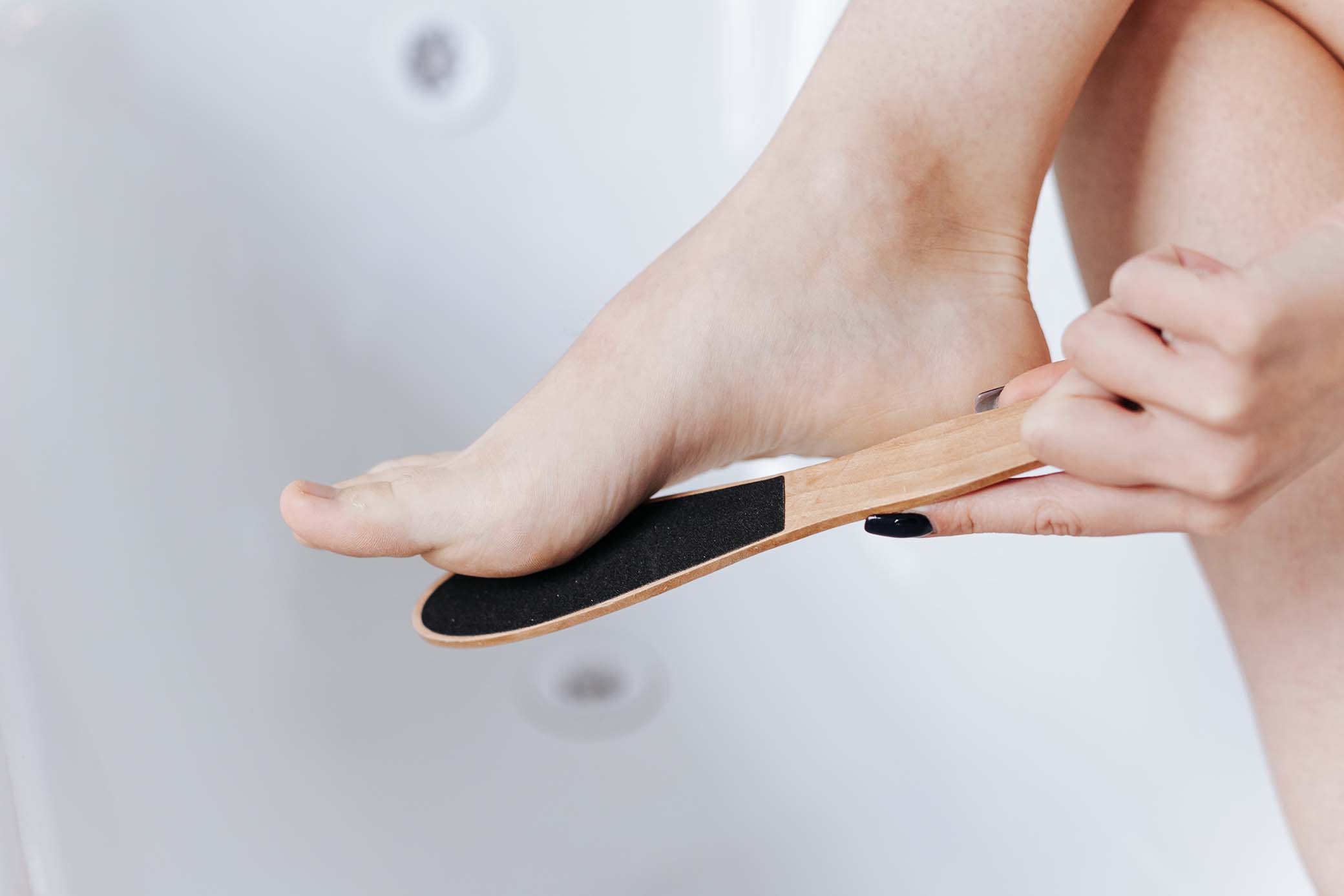
1. Scrub Thoroughly with Soap
When you shower, simply letting soapy water run over your feet isn't enough. Bacteria love to hide in the crevices between your toes. Make it a habit to scrub your soles and between each toe every time you bathe. This is the best way to eliminate the bacteria that cause unpleasant odors. During the rainy season, if your feet come into contact with puddles, wash them with soap immediately upon returning home to wash away any hitchhiking germs.
2. Keep the Spaces Between Your Toes Dry
Moisture is the primary enemy of foot health. Always use a towel to dry thoroughly between your toes after washing. Putting on socks while your feet are still damp creates the perfect environment for fungal growth.

3. Manage and Prevent Foot Odor
Foot odor isn’t caused by sweat alone, but by the bacteria that feed on that sweat. To keep odors at bay:
Antibacterial Soap: Wash with a soap that targets bacteria.
Tea Soaks: Soaking your feet in cooled, plain tea once a week can help shrink pores and significantly reduce odor.
The 24-Hour Rule: Avoid wearing the same pair of shoes every day, especially if your feet sweat a lot. Give your shoes at least 24 hours to air out in a well-ventilated spot to ensure the interior is completely dry before the next use.
4. Choose Breathable Socks
While 100% cotton is common, it tends to stay damp for a long time once it gets sweaty. To keep your feet dry all day, opt for athletic moisture-wicking socks that dry quickly and breathe better.
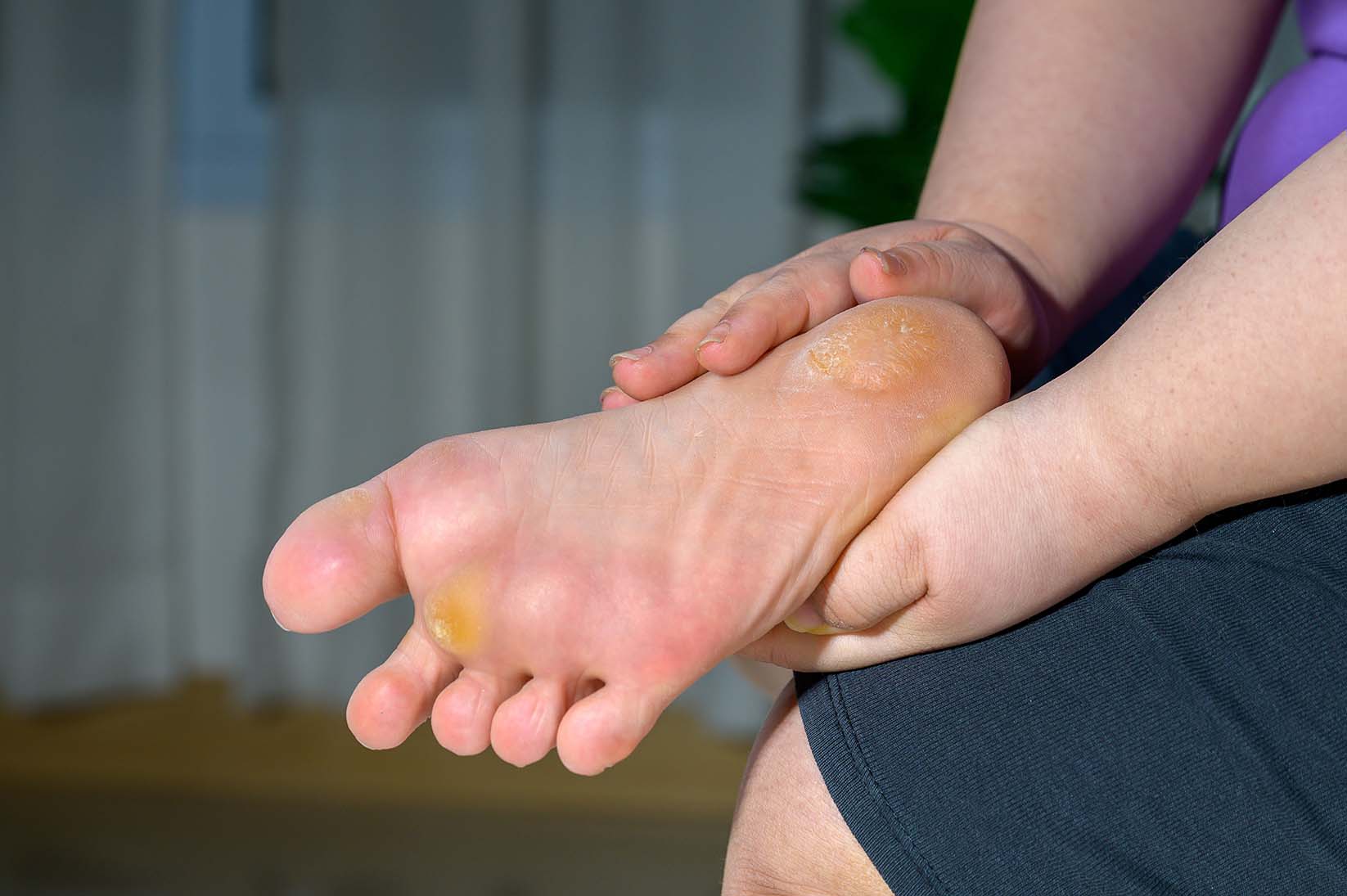
5. Remove Dead Skin from Heels
Calluses and hardened skin aren't just an aesthetic issue; over time, they can crack, becoming painful and prone to infection. Use a pumice stone or a foot file twice a week on damp skin to keep your heels soft. During the dry summer or winter months, apply a foot cream or Vaseline before bed to prevent painful cracks.
Beyond these hygiene steps, pay attention to how you trim your nails. To avoid painful ingrown toenails, always cut them straight across rather than digging into the corners. Lastly, if you notice your nails turning yellow, persistent itching, or wounds that refuse to heal (especially after an injury), don't delay seeing a doctor.




Comments