Among the various viruses that exist in the world, the Ebola virus is one of the deadliest, with an exceptionally high mortality rate. Recently, it has re-emerged in countries like the Democratic Republic of the Congo and Uganda. Because the World Health Organization (WHO) has declared it a Public Health Emergency of International Concern (PHEIC), we are sharing these essential facts about the Ebola virus to keep you informed.
The History of the Ebola Virus
The virus was first discovered in 1976 when two simultaneous outbreaks occurred in different parts of Central Africa. One outbreak was in Sudan, caused by a strain identical to the one re-emerging today, now known as the Sudan virus. The other outbreak occurred in a village near the Ebola River in the Democratic Republic of Congo, which gave the virus its name. Following these initial outbreaks, the virus seemingly vanished for about 15 years, only to reappear more frequently after 1994 across Central and East Africa.
Despite its recurrence, for nearly four decades after its discovery, Ebola remained classified as a relatively localized and minor disease. That perspective changed entirely during the 2014–2016 epidemic. The catastrophic West African Ebola outbreak completely rewrote the virus's history and shocked the world. Beginning in Guinea, it evolved into the largest and most complex Ebola epidemic in history, resulting in over 28,600 cases and more than 11,300 deaths. The scale of the crisis even forced the WHO to undergo major structural reforms to better manage global emergency health responses.
Now, in 2026, the Sudan virus strain of the Ebola virus has re-emerged in Congo. To date, there have been over 300 reported cases and nearly 90 deaths, prompting the WHO to officially declare it a Public Health Emergency of International Concern.
Ebola Virus Species, Transmission, and Symptoms
There are six distinct species of the Ebola virus, though only three have been confirmed to infect humans. Among them, the Ebola virus (Zaire ebolavirus) carries a mortality rate of up to 90%, though effective treatments and vaccines are now available for this specific strain. On the other hand, the Sudan virus currently causing the outbreak has a mortality rate of up to 50%. Because there is still no approved vaccine or cure for the Sudan strain, it remains a highly dangerous threat with pandemic potential.
How the Ebola Virus Spreads
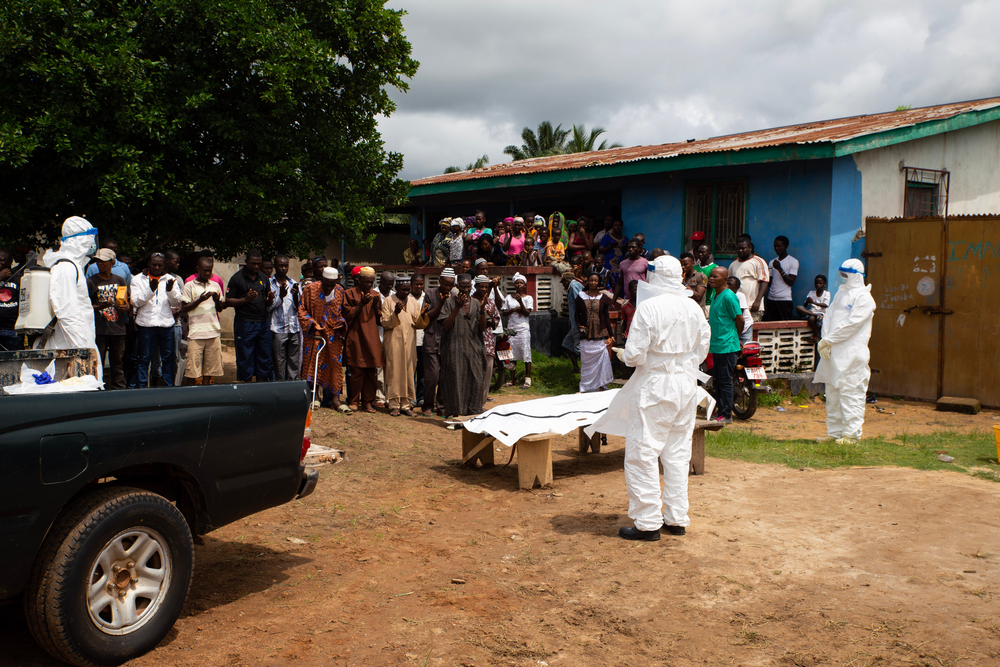
Unlike viruses like COVID-19, Ebola is not airborne. It originally spilled over into humans through contact with infected wildlife, specifically fruit bats, either through handling them or consuming their meat. Human-to-human transmission occurs through direct contact with the bodily fluids (such as blood, sweat, vomit, or saliva) of an infected person. Additionally, touching clothing, bedding, or surfaces contaminated with these fluids can also spread the infection.
Symptoms of the Disease
The incubation period for Ebola ranges from 2 to 21 days. Symptoms typically appear abruptly and progress rapidly. Early symptoms include sudden fever, severe fatigue, muscle pain, and headache. Because these initial signs closely mimic malaria or typhoid fever, early diagnosis can be quite difficult.
As the disease progresses, more severe symptoms emerge, including intense vomiting, diarrhea, abdominal pain, and unexplained rashes. This stage is rapidly followed by severe dehydration, kidney failure, and liver impairment. In some cases, patients may develop Ebola hemorrhagic fever, which causes internal and external bleeding.
Currently, vaccines and treatments targeting the Sudan virus variant are still undergoing clinical trials, and global health authorities are working rigorously to prevent a widespread pandemic. This article was created to share crucial knowledge about the Ebola virus so you can stay informed and understand the necessary precautions.





Comments