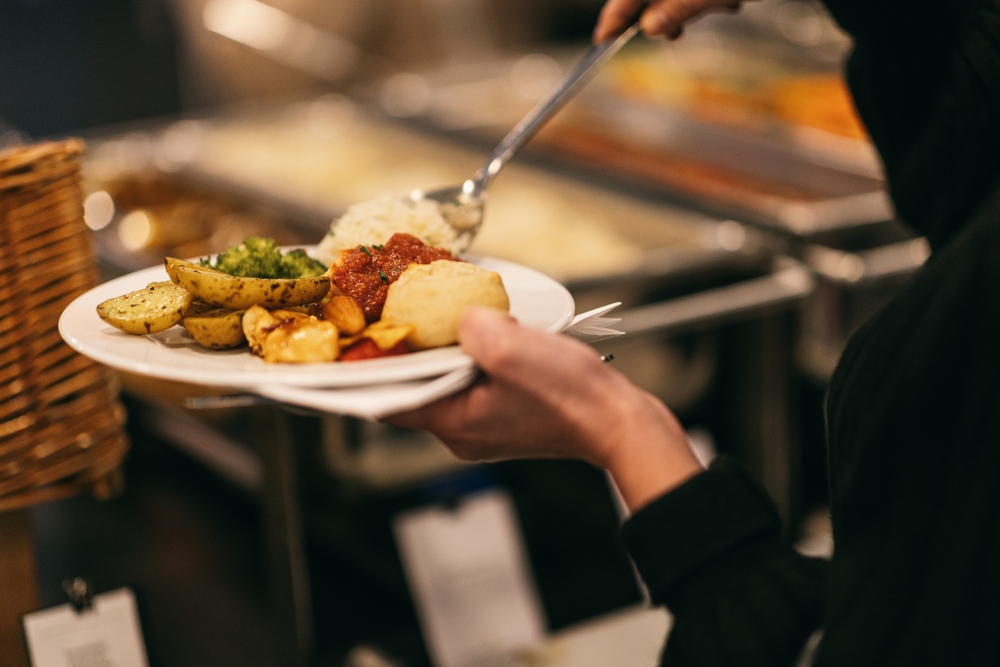
Whether it’s because of waking up late or having a busy schedule, many people combine breakfast and lunch. Even if it’s not an everyday occurrence, most of us occasionally merge these two meals. This practice of eating breakfast and lunch together is called “Brunch.” In this article, we will explore brunch culture around the world, its advantages and disadvantages, and some popular brunch ideas.
The Origin of Brunch
The term "Brunch" first emerged in England in the late 19th century and became widely popular in the United States by around 1930 By the 1990s, the word appeared frequently in British magazines. People seemed to find that instead of eating heavy individual meals for breakfast or lunch, eating lighter fare between the two mealtimes was more appealing. Some colleges and hotels regularly serve brunch, often in a buffet style. Most hotels offer special brunches for holidays such as Halloween, Thanksgiving, Christmas, and New Year’s Day. This dining habit is common in England, the United States, France, Italy, Canada, the Philippines, China, and many other countries.
Common Brunch Foods
What people eat for brunch varies by country and culinary culture. In Western countries, common breakfast staples like eggs, sausages, ham, bacon, fruit, and pancakes are favorites. However, non-breakfast items like hot dogs, grilled meats, soups, bread, grilled salmon, and vegetable salads are also consumed as brunch. Some restaurants serve brunch as an “all-you-can-eat” buffet. These setups range from affordable, casual spots for families to high-end French-style bistros.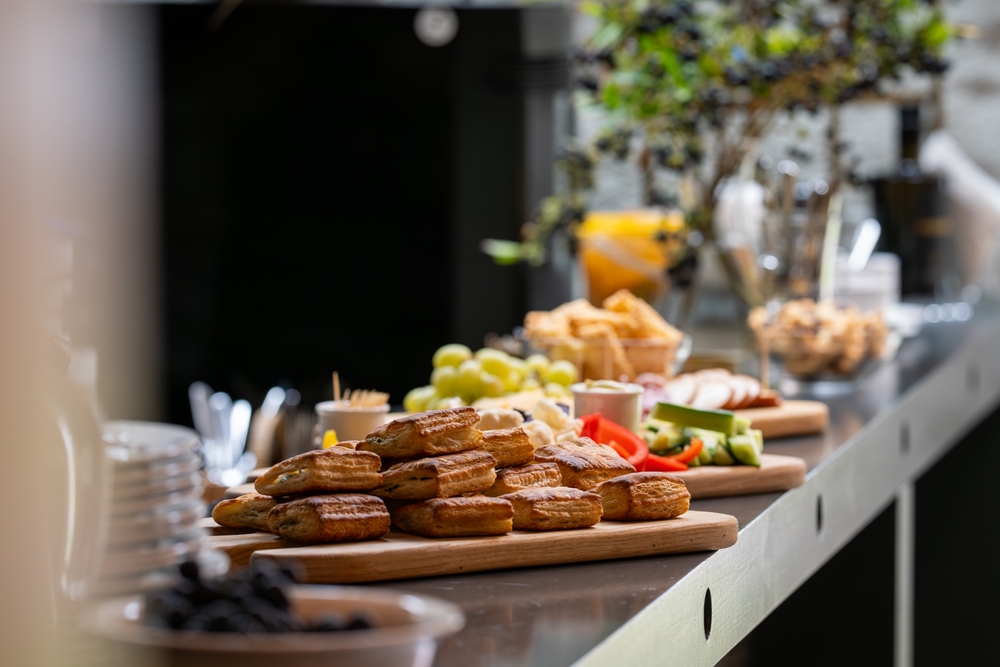
Brunch in Myanmar
In Myanmar, brunch culture is thriving, particularly among young adults and the middle-aged population. Combining these meals saves the time usually spent on two separate seats and significantly reduces the hassle for those who cook for themselves. After all, while eating is quick, the preparation takes a long time and involves a lot of work! By merging the two, you save time and labor. You can use that extra morning for catching up on sleep or engaging in a hobby. In a way, it also saves money. Here are some Myanmar dishes that are perfect for brunch:
- Mohinga: One of the most popular traditional Myanmar dishes, Mohinga is enjoyed at any time, not just for breakfast, but as a midday snack or dinner. For Mohinga lovers, it is a top choice for brunch.
- Nan Gyi Thoke: Also known as Mont Di Thoke (Rice Noodle Salad), this is a beloved dish in Myanmar. While traditionally a breakfast staple, it is frequently chosen by those combining their morning and afternoon meals.
- Hta Min See San: The classic “Rice with Oil” we grew up eating from our mothers' kitchens never goes out of style. Hot rice drizzled with fragrant peanut oil and topped with boiled peas (Pe Pyoke) makes for a comforting brunch.
Points to Consider
While many have tried combining breakfast and lunch, this habit should not be practiced long-term. Brunch can disrupt regular eating schedules, which may lead to health issues such as obesity or difficulty in losing weight. In summary, while brunch culture is growing among the youth, it is important to remember that it is not the most balanced dietary pattern for long-term health. Excessive habits in any area often come with side effects, so we recommend eating in moderation and maintaining a healthy, consistent lifestyle.


Comments