
With changing modern lifestyles, diabetes has become one of the most common and health-damaging diseases among people of all ages. It is a chronic condition that disrupts the process of converting food into energy within the body. Today, diabetes is far more common than many think, and people can live with it for years without knowing they have it. To help you better understand diabetes, catch it early, and prevent complications, read this article to the end.
Symptoms of Diabetes
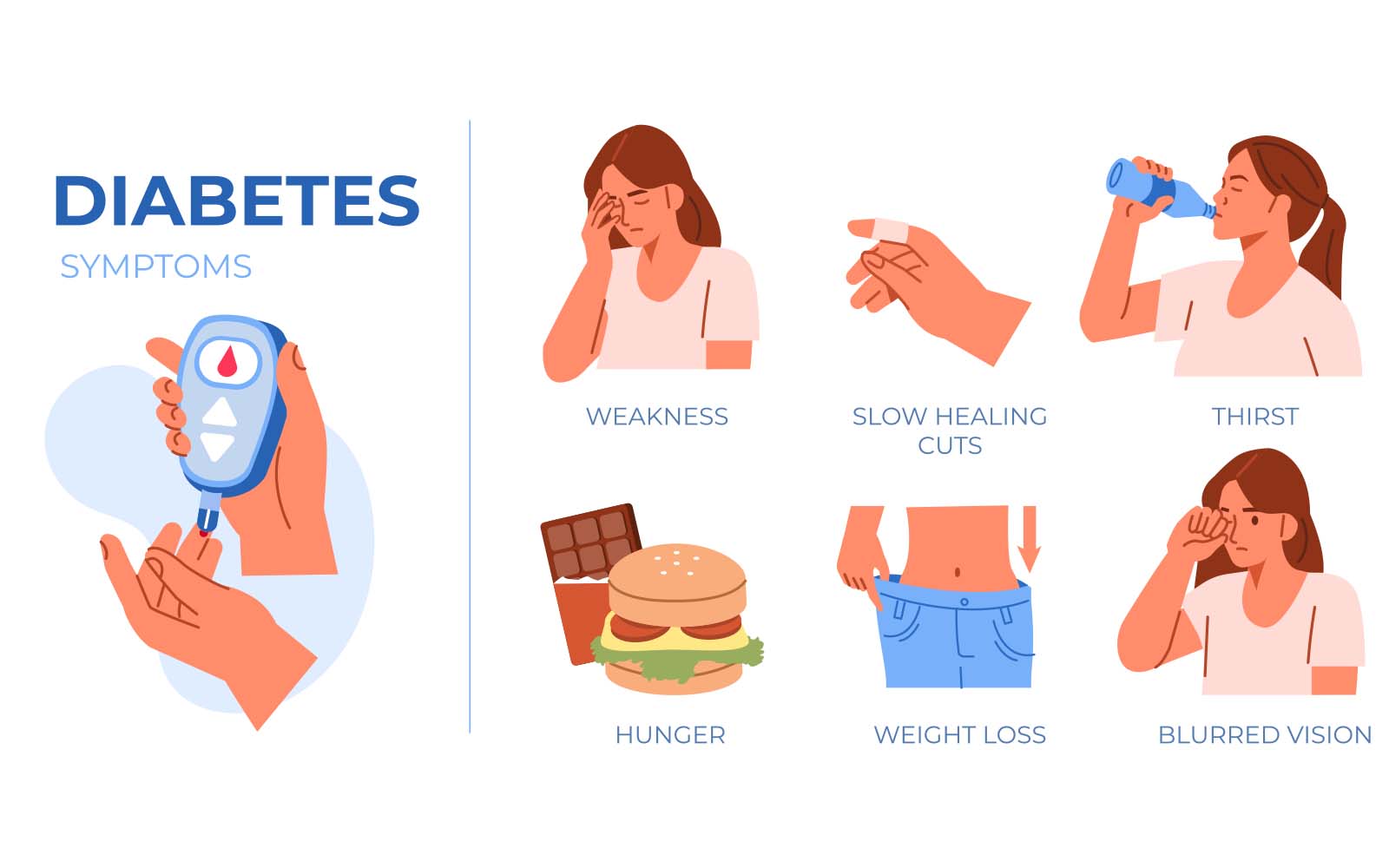
As mentioned, diabetes symptoms can linger in the body unnoticed for years, making careful evaluation essential. High blood sugar causes several effects:
Frequent Nighttime Urination: When blood sugar is excessively high, the kidneys work overtime to filter and excrete excess glucose through urine, resulting in frequent bathroom trips at night.
Constant Thirst and Dry Mouth: Frequent urination depletes body fluids, leading to persistent thirst and a dry mouth.
Sudden Weight Loss: Even with normal eating habits, the body cannot use sugar for energy, forcing it to burn muscle and fat instead, which causes sudden weight loss.
Persistent Fatigue: Because glucose cannot enter the cells, the body lacks necessary energy, leaving you constantly exhausted and fatigued.
Blurred Vision: Elevated blood sugar disrupts normal fluid balance in the eyes, damaging blood vessels and optic nerves and causing blurry vision.
Slow Healing Wounds: Reduced blood circulation causes cuts, scrapes, and injuries to heal much more slowly.
How to Prevent and Manage Diabetes
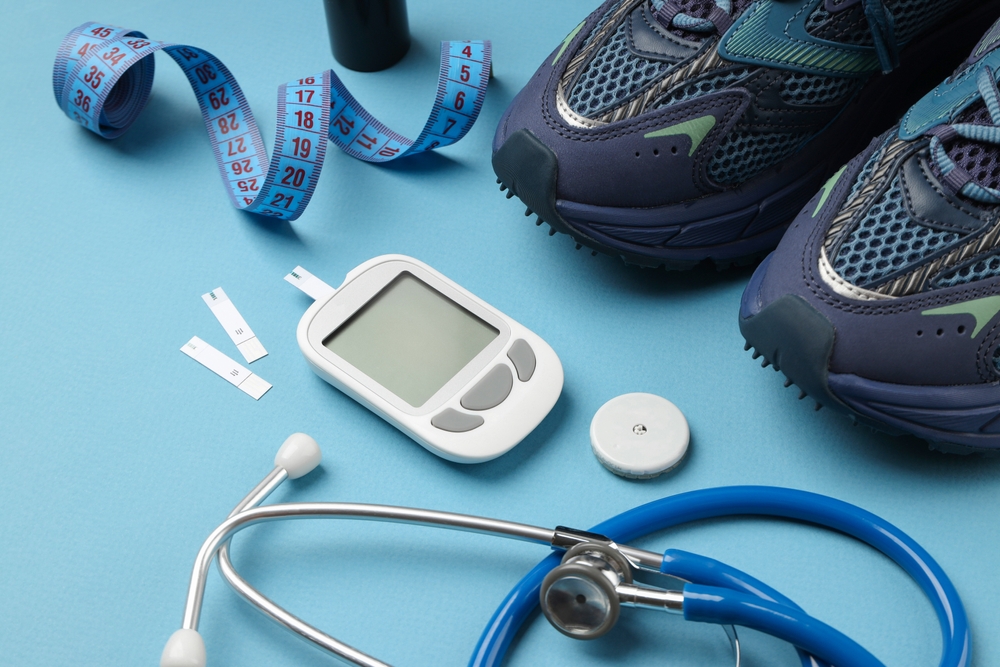
To effectively control blood sugar, the primary factor in diabetes, you should adopt a healthy lifestyle:
- Choose a Healthy Diet: Minimize sugary beverages, high-sugar foods, and processed convenience meals. Focus instead on fiber-rich vegetables, whole grains, and lean proteins to prevent sudden blood sugar spikes after meals.
- Engage in Regular Physical Activity: Exercise regularly for about 30 minutes a day, such as brisk walking, cycling, or swimming. Regular physical activity improves insulin sensitivity and helps burn blood sugar.
- Get Regular Health Checkups: Routinely check your fasting blood glucose and HbA1c levels according to your age. Detecting prediabetes early allows you to return to normal levels simply by adjusting your diet and lifestyle.
- Reduce Stress: Stress hormones increase blood sugar levels. Get adequate rest and sleep, and regularly monitor your blood sugar levels as advised by your doctor.
By understanding diabetes symptoms early and carefully following these do's and don'ts, you can build a healthy and happy future.





Comments