When a natural disaster strikes unexpectedly, ensuring that you and your family are safe and able to evacuate to a secure area in a timely manner is of utmost importance. With severe weather events, such as cyclones, seasonal flooding, and earthquakes, occurring more frequently in recent times, being both mentally and physically prepared is your absolute best defense.
A common pitfall is not knowing what to do or where to turn when an actual emergency happens. Waiting until the very last minute to act without any prior preparation often results in preventable losses. To prevent this, let’s look at four highly practical, step-by-step preparation strategies that everyone should implement today.
1. Prepare an Emergency "Grab-and-Go" Bag
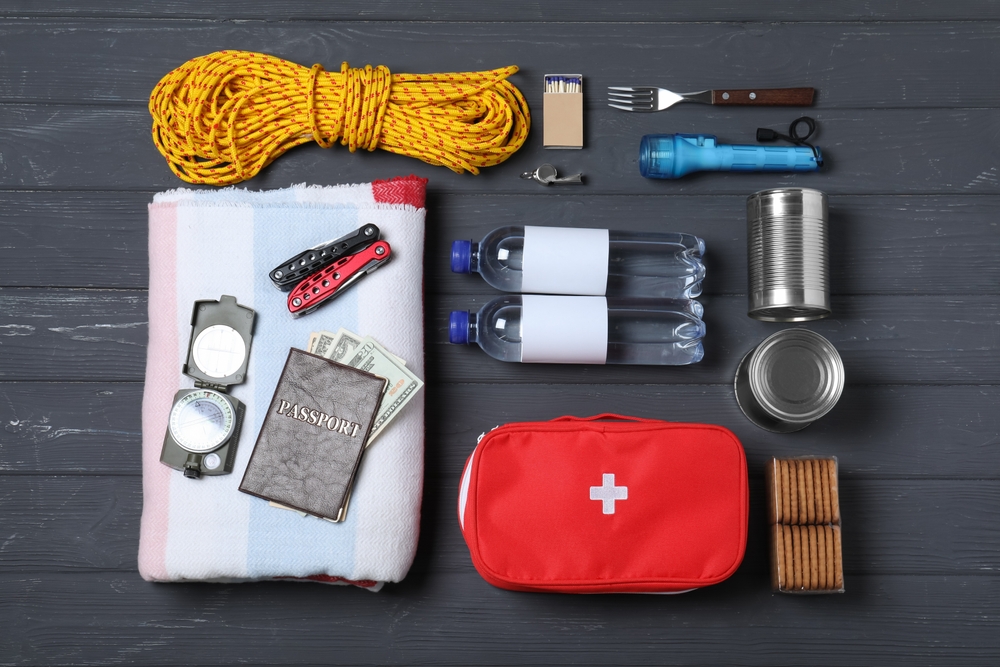
If you are forced to evacuate quickly, you must have a pre-packed emergency bag that is lightweight and easy to carry at a moment's notice. According to the Federal Emergency Management Agency (FEMA), your primary focus should be securing at least a 3-day supply of water and non-perishable food, calculating at least one gallon of water per person per day. Your emergency backpack should include:
- Food & Water: Clean drinking water and nutrient-dense, ready-to-eat dry rations.
- Medical Supplies: A basic first-aid kit and essential daily prescription medications.
- Tools & Light: A flashlight, spare batteries, and waterproof matches or a lighter.
- Power & Communication: A fully charged power bank and necessary charging cables to keep your electronics running.
- Documents & Cash: Identification cards (NRC), household registration documents, and other crucial papers stored safely in a waterproof plastic folder. Most importantly, keep some physical cash on hand as digital payment networks may be down.
2. Plan and Map Out Your Evacuation Routes
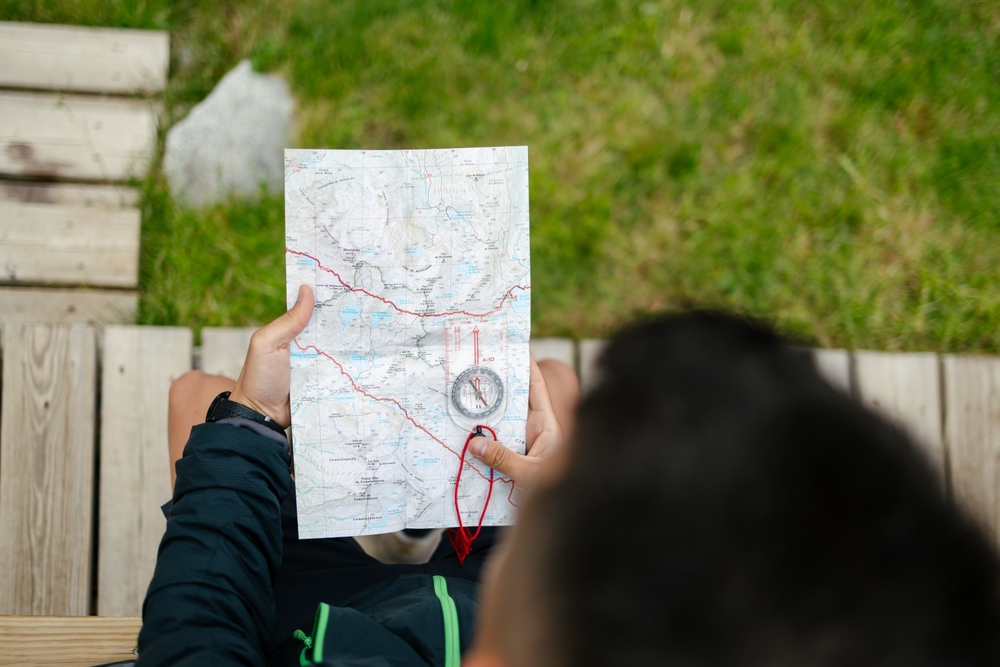
Severe natural disasters like flooding, cyclones, or earthquakes almost always trigger widespread power outages and cellular network failures, rendering the internet completely unavailable. During these critical moments, you will not be able to rely on digital tools like Google Maps or GPS. To ensure you can navigate safely:
Map out safe routes leading away from your home, workplace, and your children's schools. Sketch these routes on paper, print them out, and store them securely in your emergency bag.
Establish a Family Meeting Point: Agree on a specific, easy-to-find physical location (a "meeting point") where all family members will reunite in case you get separated during the chaos.

3. Write Down Important Emergency Contacts
During an emergency, your phone might run out of battery, get damaged, or get lost. If you do not have key numbers memorized, reaching out for help becomes incredibly difficult.
On a physical sheet of paper, clearly write down the phone numbers of all family members, close relatives, trusted friends, local community rescue groups, the fire department, police stations, and nearby hospitals.
Wrap this paper in a waterproof plastic bag and keep it inside your emergency kit. As noted by the Red Cross, having a physical copy of important contacts ensures that even if cellular networks are down or your phone is broken, you can quickly request assistance using someone else's phone or a public landline.

4. Conduct Practice Drills with Your Family
No matter how flawless your emergency plans look on paper, it is completely natural to panic and freeze when facing a real disaster. This is why regular, physical practice is absolutely vital.
Dedicate time at least twice a year to practice your evacuation plan with your entire family, especially if you have young children.
Children are highly sensitive and easily frightened by the threat of natural disasters. Take the time to explain the emergency plan to them calmly, listen closely to their fears, and offer gentle reassurance so they feel secure and capable.
While natural disasters are unpredictable and unavoidable, preparing systematically is a proven way to minimize the risk to your life and protect your family. Use this emergency checklist to review your household's readiness and start preparing what you need today.




Comments