
Everyone strives for a healthy and beautiful body through various means. As we all know, physical exercise yields visible results. However, exercise alone only accounts for 50% of a healthy body; the remaining 50% depends on what you eat every day. Starving yourself to lose weight is harmful, and overeating with the mindset of "working it out later" is even worse. Therefore, eating correctly before and after a workout is crucial for building muscle, increasing endurance, and reducing fatigue. Poor nutrition can lead to early exhaustion during exercise and prolonged muscle soreness afterward.
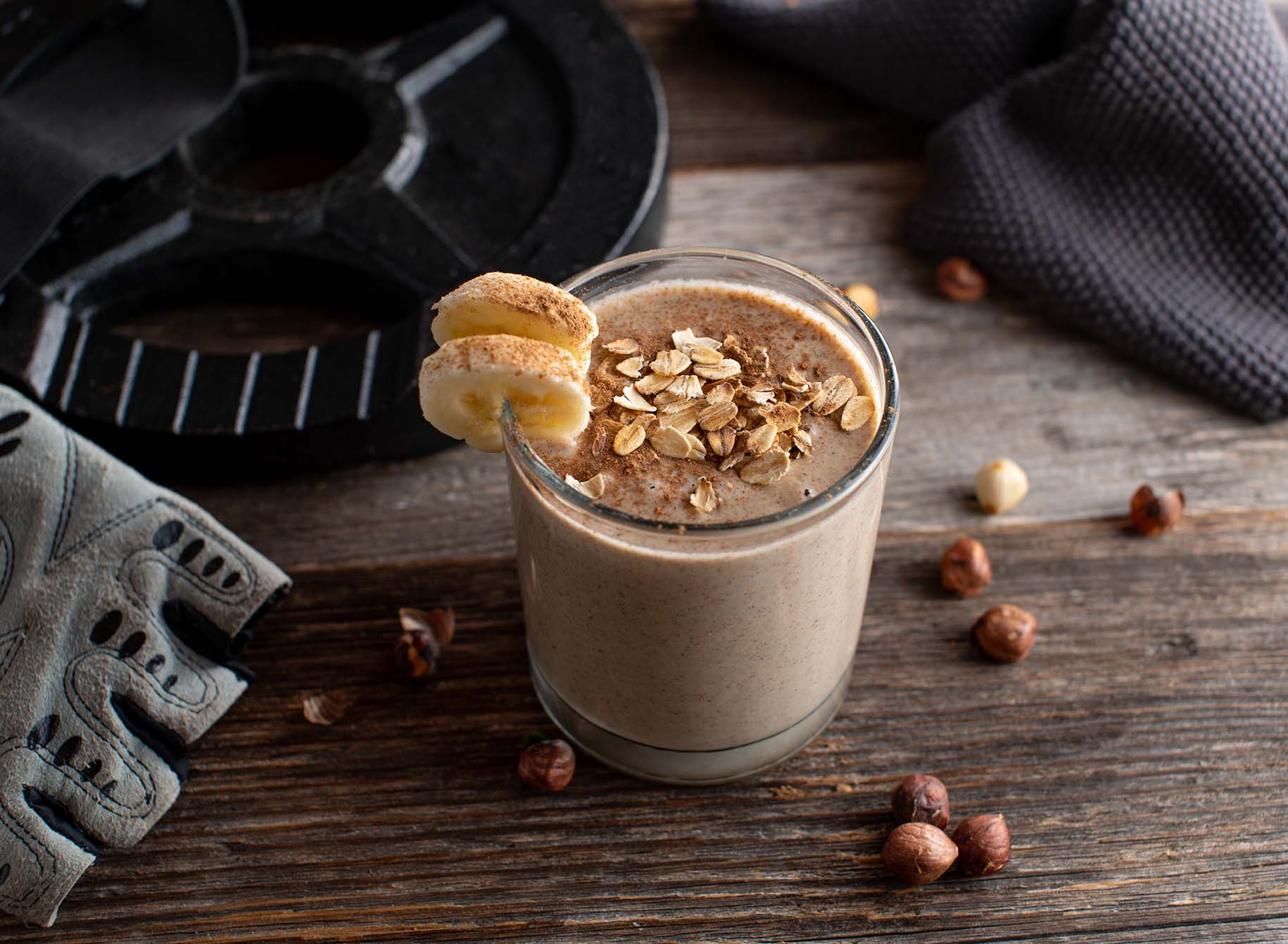
Fuel (Pre-Workout)
The food you eat before exercising is your fuel. Having a small amount of food in your stomach helps regulate blood sugar levels and provides the energy your body needs. It prevents muscle breakdown and protects you from dizziness or exhaustion during your session. You should eat 2 hours before a workout or a light snack 30 minutes before starting.
Especially for those doing high-intensity training, exercising on an empty stomach can cause the body to burn muscle for energy, so eating a small meal is a must. Focus on carbohydrates like bananas, oats, and whole-grain bread. The glucose from these carbs helps you maintain stamina. Additionally, consuming a bit of protein, such as egg whites or yogurt, supports muscle tissue and speeds up post-workout recovery.
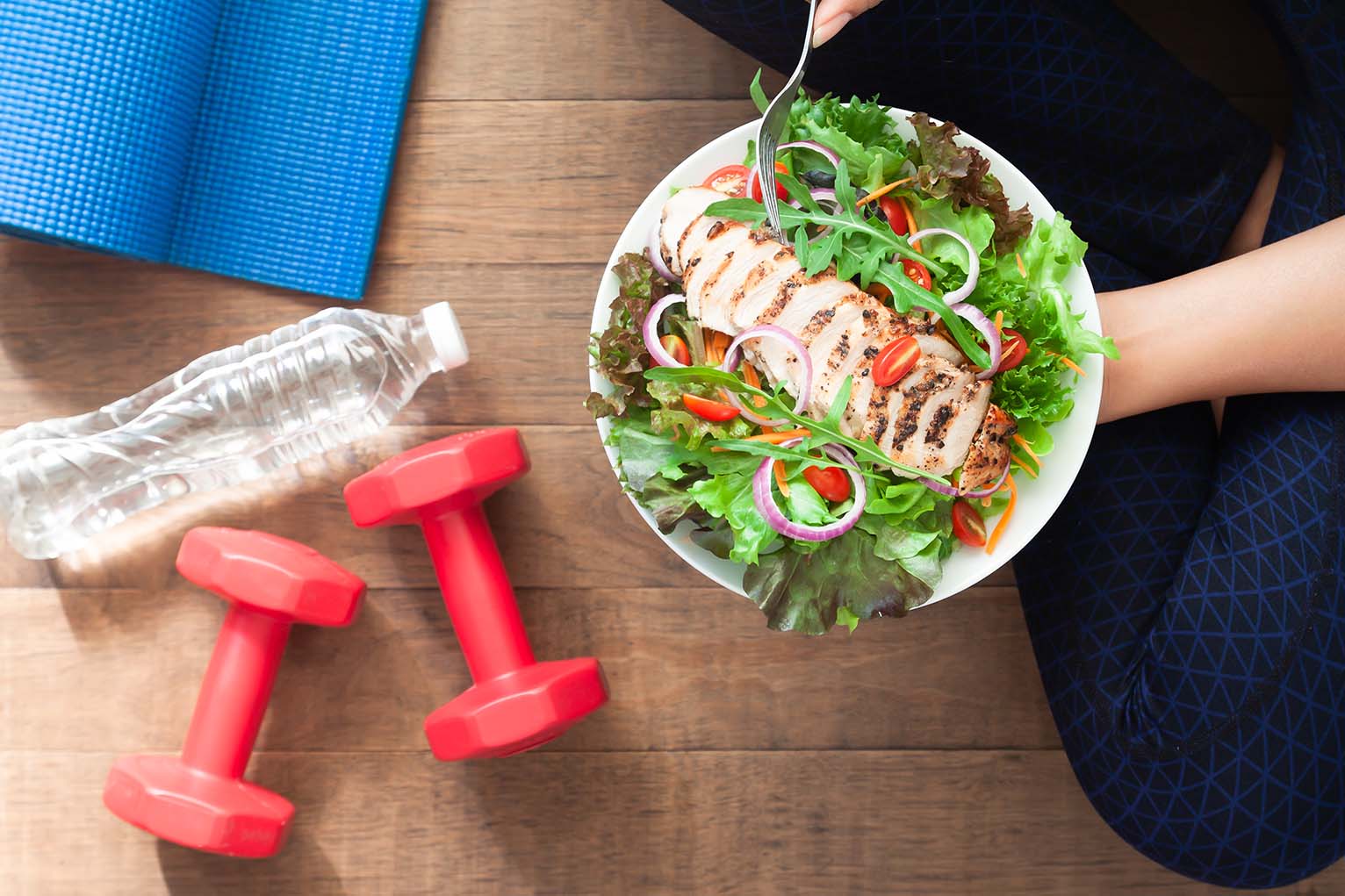
Refuel (Post-Workout)
After an intense workout, your body definitely needs rest and refueling. Instead of grabbing whatever is available when you're hungry, choose nutrient-dense foods within 45 minutes of finishing your exercise. Eating the right food at the right time allows the body to effectively absorb nutrients to repair damaged tissues, replenish lost energy, and rebuild muscles that were strained during the session. Don’t forget to rehydrate; drink plenty of water to replace the fluids lost through sweat.
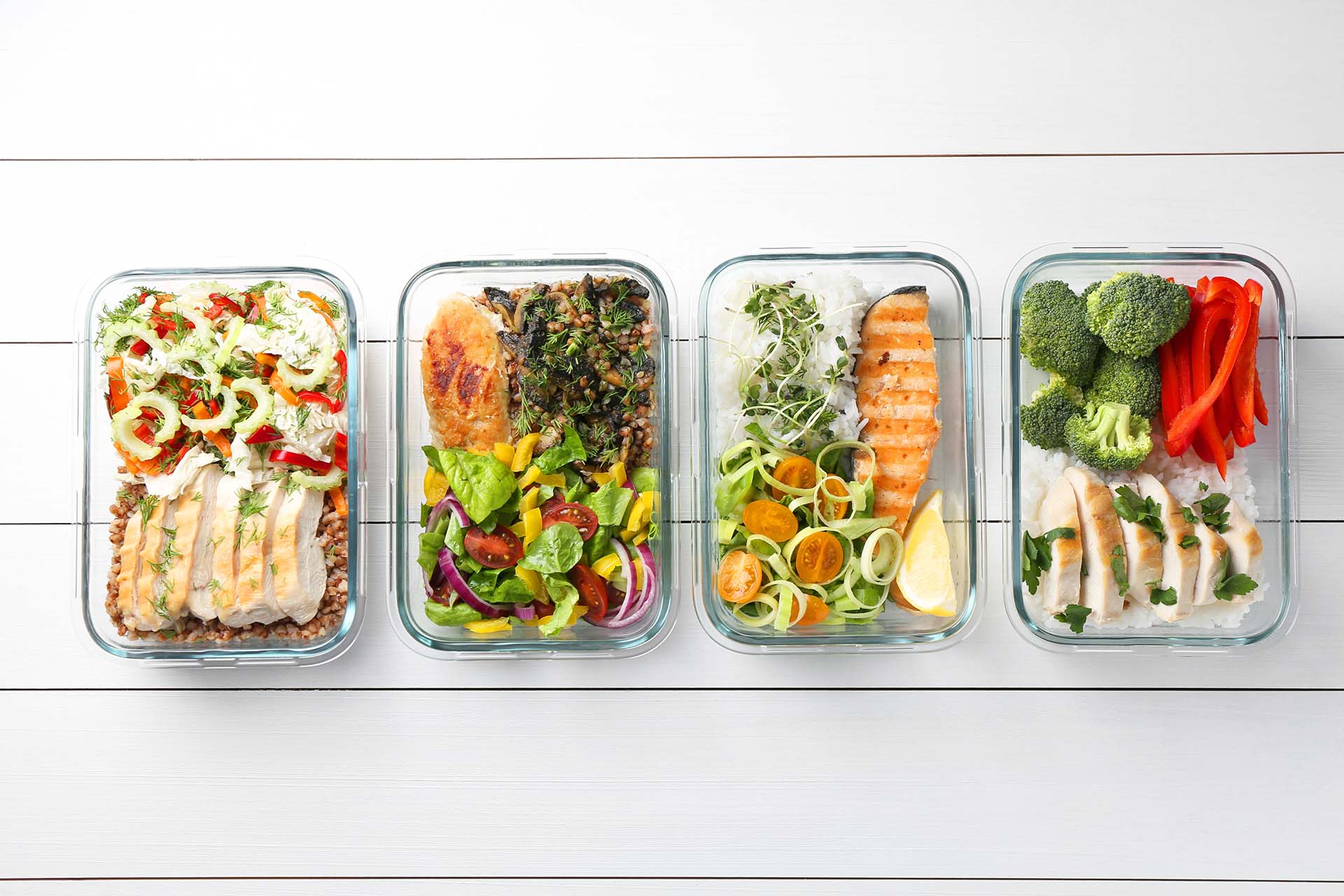
Choosing the Right Foods
To build energy and strength, it is best to avoid high-fat, sugary, and salty foods. Focus on protein and vegetables as your daily staples. This creates a synergistic effect where your diet supports your exercise and vice versa. According to an article by the Mayo Clinic, you should eat a full meal 3 to 4 hours before exercising, while light snacks can be eaten 1 to 3 hours before starting.
For protein, choose chicken breast, fish, beans, or protein shakes to build muscle. The amino acids in protein repair the micro-tears in muscles caused by exercise.
For vegetables and complex carbs, sweet potatoes, brown rice, and various fruits help replenish depleted energy, ensuring you have the strength to exercise again the next day.
For those who exercise regularly or want to maintain their weight, real health benefits only come from balancing exercise with proper nutrition. We conclude this article with a wish for everyone to achieve a healthy and active lifestyle by following these dos and don'ts.




Comments