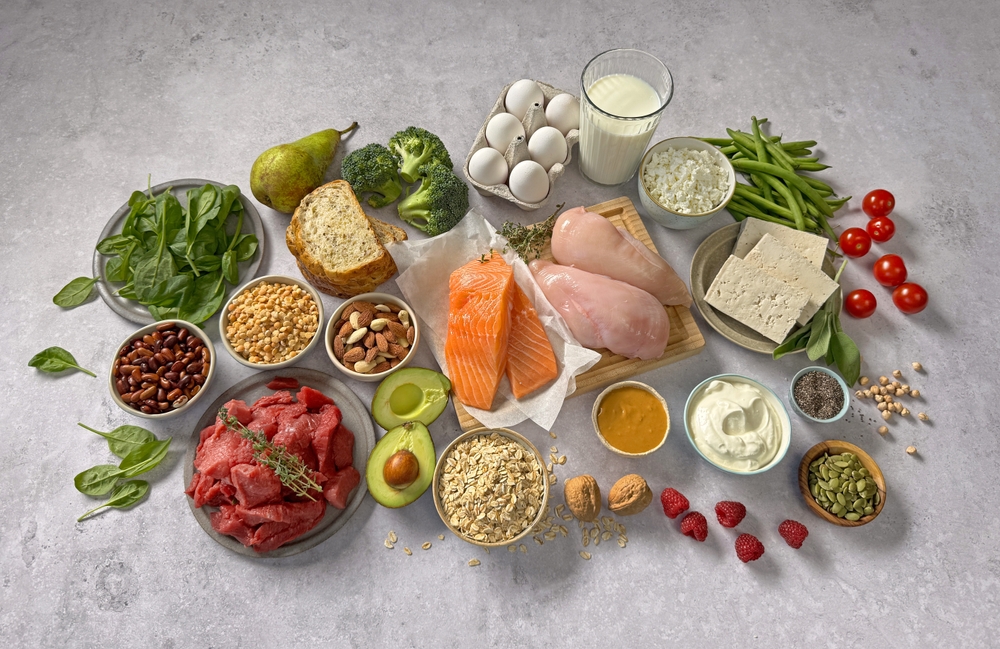
To achieve a healthy and vibrant daily life, it is essential that your everyday breakfast, lunch, and dinner are filled with complete and balanced nutrition. Constantly counting and measuring exact calories can be difficult for everyone to practice. Instead, this article will guide you on what types of food and what proportions should be included on your everyday plate.
Based on a standard round dining plate used in daily meals, you can design a well-balanced and nutritious meal using the following proportions:
1. Fruits and Vegetables (40% of the Plate)

Fruits and vegetables are the primary sources of essential vitamins, minerals, and dietary fibers required by the body. Nutritionists often recommend eating "a rainbow" when it comes to fruits and vegetables. This is because colorful produce provides a wide variety of different nutrients.
2. Grains and Cereals (25% of the Plate)
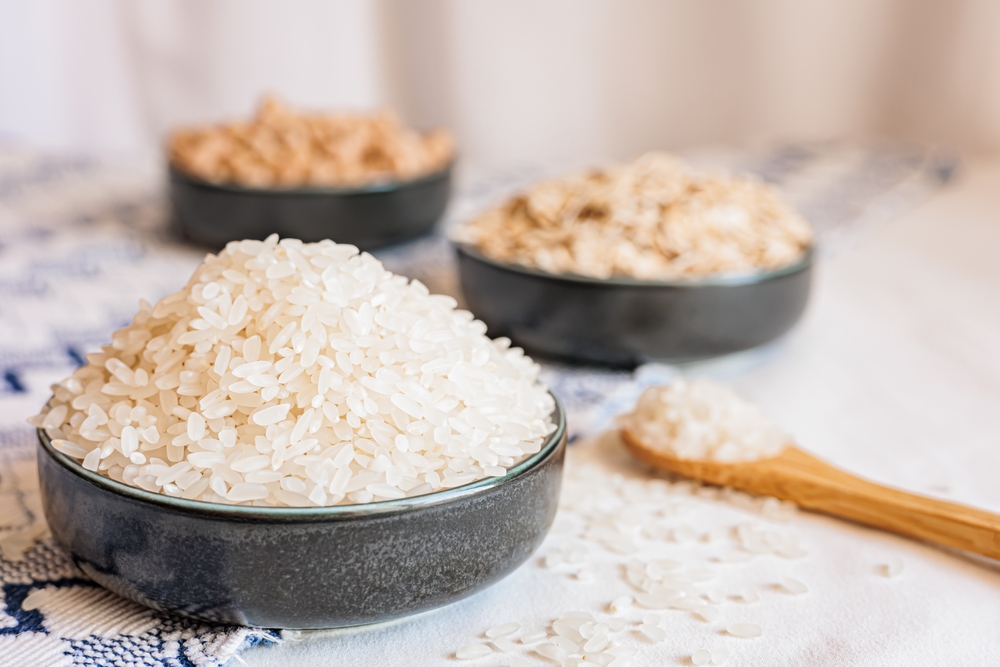
This portion acts as the main fuel supply, providing the carbohydrates necessary to keep the entire body functioning. It includes grains and crops such as rice, wheat, and oats. Choosing varieties that are closest to their natural state and least processed, such as brown rice, is the best choice for your body.
3. Meat, Fish, Nuts, and Eggs (20% of the Plate)
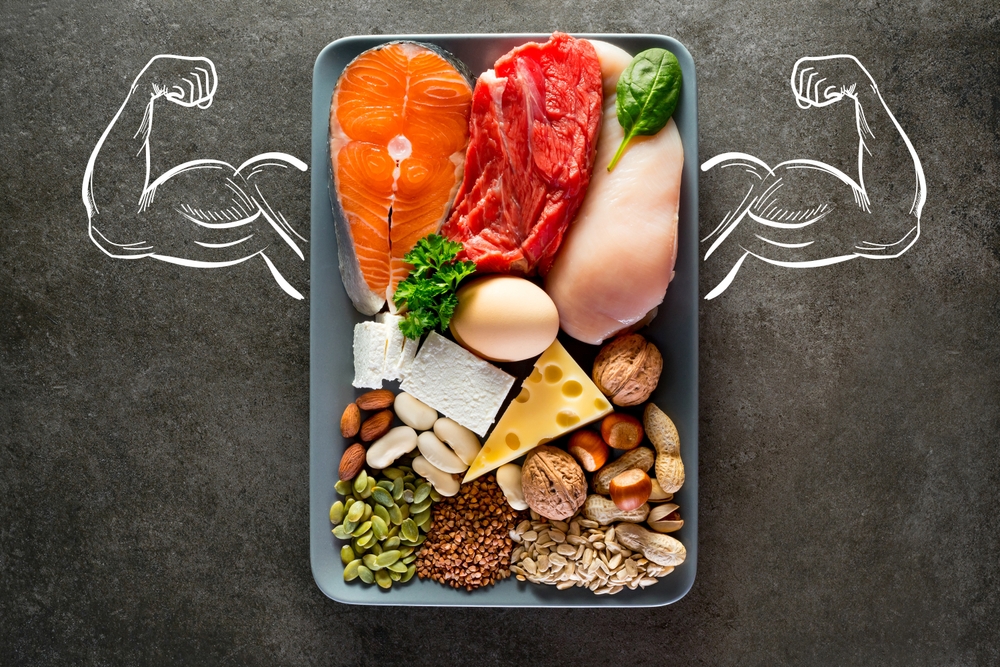
This portion provides the protein crucial for building and repairing muscles, tissues, hormones, and the immune system throughout the body. Rather than relying on just one type, you should eat a balanced mix of meat, fish, and eggs. For vegetarian options, you can obtain protein from nuts and various types of beans and legumes.
4. Milk and Dairy Products (10% of the Plate)
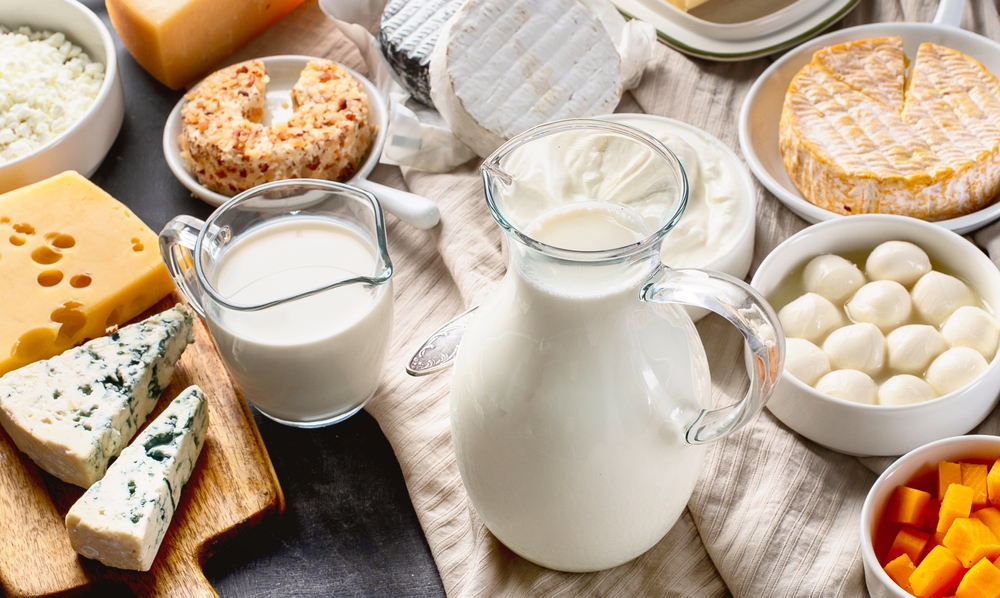
Milk and dairy products primarily support bones, teeth, and muscle contraction/relaxation. For a vegetarian diet, you can choose plant-based alternatives like soy milk, almond milk, or oat milk. When consuming cheese and yogurt, it is best to choose plain options without added flavors or processing.
5. Fats, Oils, and Sugars (5% of the Plate)

This segment includes cooking oils, seasonings, and sweet desserts eaten after meals. In reality, the body only requires a very small amount of these items, so the less you consume, the better. For oils, unsaturated fats, such as olive oil, or the natural fats found in avocados, nuts, and fish, are much healthier. Since natural sugars are already present in fruits, you should be mindful to keep additional high-sugar foods to an absolute minimum.
By practicing this balanced nutritional proportion with every meal, you will be able to enjoy a healthy and vibrant daily life.




Comments