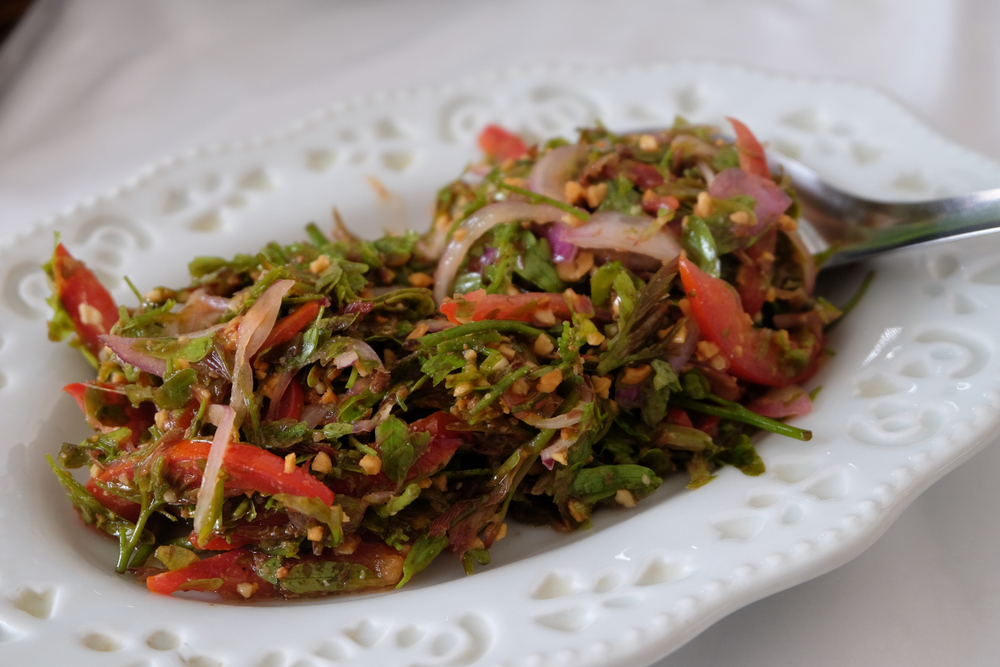
Traditional Myanmar vegetable salads, usually prepared with either a single type of vegetable or a variety of greens mixed with onions, fried garlic oil, sesame seeds, crushed peanuts, lime, and chili, offer a diverse range of flavors as well as numerous health benefits. While we often use the general term “vegetables,” various parts of different plants are used to make these salads. This article will explore the health benefits associated with these specific plant parts.
Buds and Shoots
Among traditional Myanmar salads, Mezali (Cassia flower) bud salad and bamboo shoot salad are the primary dishes featuring buds and shoots. As many know, Mezali bud salad offers so many health benefits that there is even a traditional belief that eating it on the full moon night of Tazaungmon is equivalent to consuming a “panacea” (a cure-all medicine). In reality, eating Mezali buds at any time provides great health benefits, particularly its unique ability to protect the body against harmful bacteria. If you eat bamboo shoot salad, it can help with weight control and help maintain blood sugar levels. Additionally, it contains Vitamin C, Vitamin E, and natural compounds that boost the immune system.
Roots and Tubers
Root vegetables like carrots, white radishes, potatoes, and sweet potatoes grow underground and serve as primary storage for minerals, making these salads highly nutritious. Key benefits include carrots supporting vision and immunity, while white radishes have the power to cleanse the liver and kidneys. Potatoes are rich in potassium, which helps regulate blood pressure, and sweet potatoes have the ability to stabilize blood sugar levels.
Flowers
Thakhut (Trumpet flower) salad, Pauk (Flame-of-the-forest) flower salad, and Ma-hla flower salad are traditional Myanmar salads that focus on the blossoms of the plant. A unique benefit of these flowers is their support for respiratory and lung health. Furthermore, they improve digestion and intestinal health. Pauk flowers also contain antioxidants that support skin health.
Fruits and Leafy Greens
These are the most diverse and widely consumed parts in the form of salads. Commonly used fruits include tomatoes, gourds, chayote, and long beans. Popular leafy green salads include Pennywort (Myin-khwa), Watercress, Spinach, and Tamarind leaves.
Additionally, Myanmar tradition features unique leafy salads such as Kyet-tha-hin, Nyaung-chin, Nga-yant-pa-lu, Kokko (Rain tree) leaves, and Myu leaves. These are often referred to as “Anyar leaves.” These vegetable salads contain essential nutrients and the energy needed to support the health of vital organs like the heart, stomach, intestinal tract, and liver.
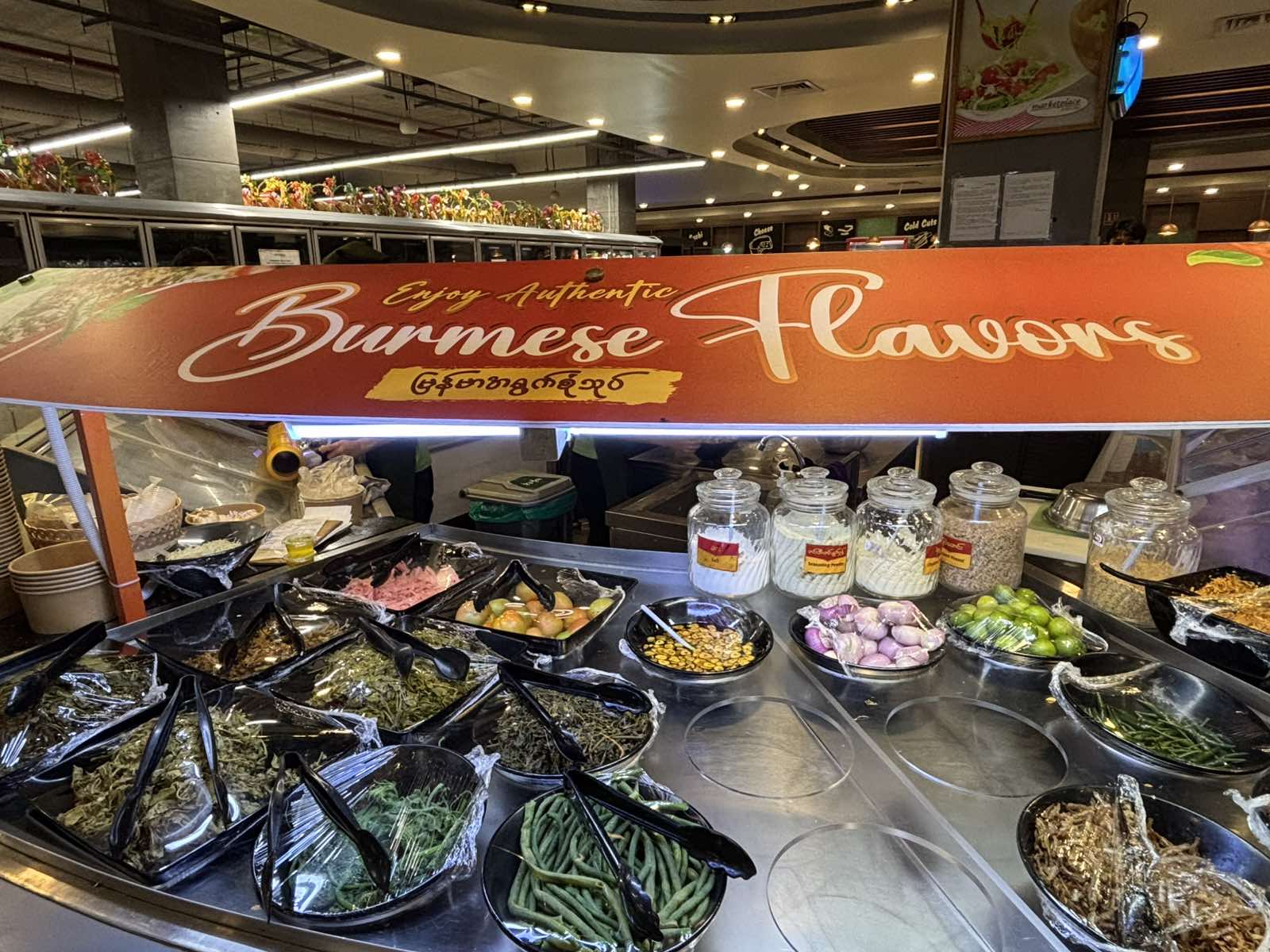
Therefore, the vegetable salads mentioned above should be a regular part of your daily diet. We would like to share the good news that you can always find a wide and fresh selection of these delicious traditional Myanmar vegetable salads at the “Salad Bar” counters of marketplace by City Mart branches.




Comments