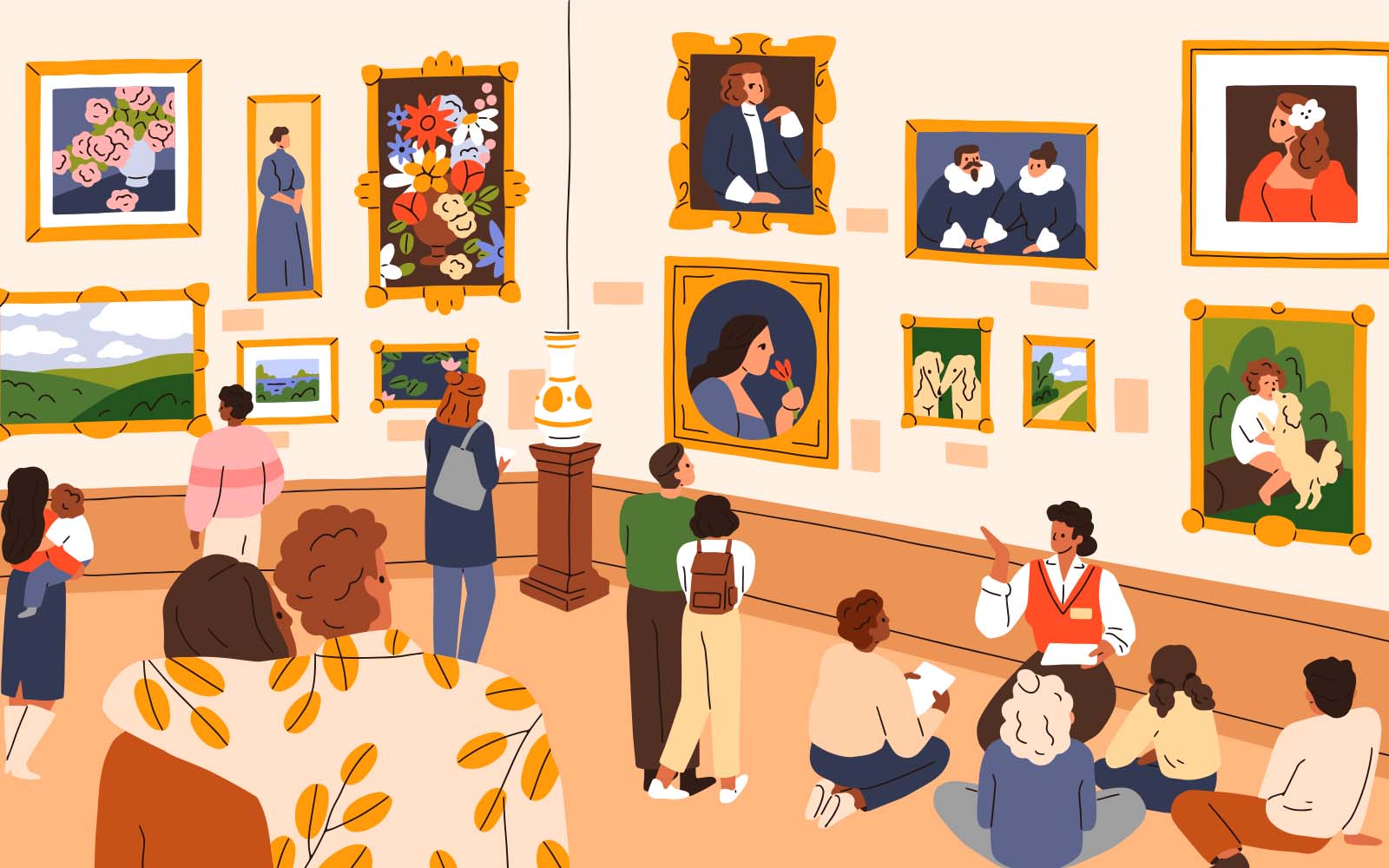
Art history isn't just a chronological sequence of dates; it is a vital record showing how humans have understood and shaped their daily lives, beauty, culture, religion, politics, and technology. The paintings and artworks created with deep devotion across various eras remain priceless, fascinating, and open to diverse discussions and perspectives to this day. In this article, we will explore some of history's most significant art movements, including the Renaissance and Baroque, along with other fascinating subjects for art lovers to study.
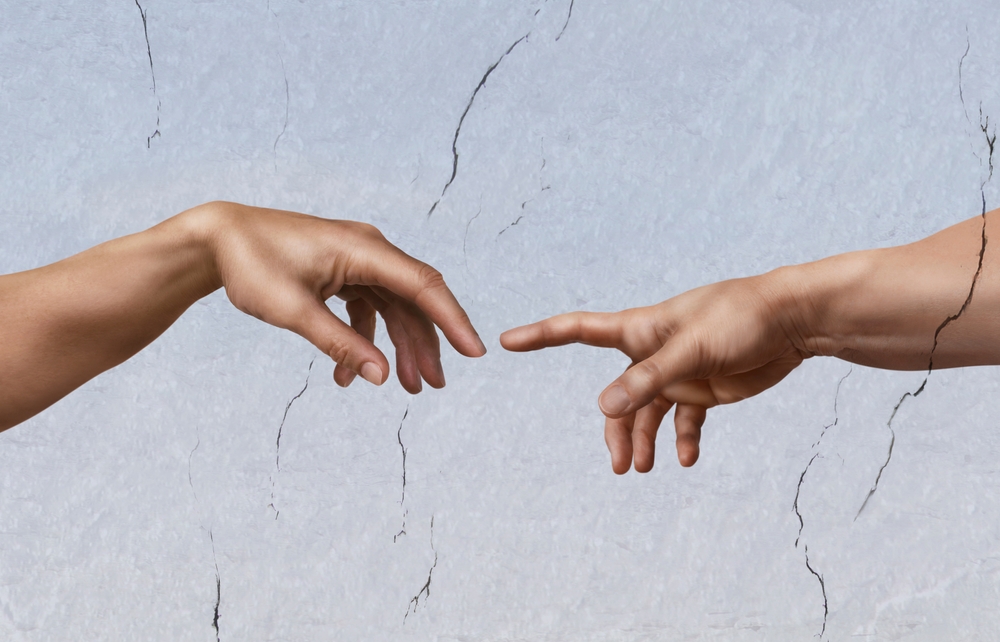
Renaissance
Thriving in Europe from the 14th to the 17th century, the Renaissance movement revived classical art and Greco-Roman ideals, marking one of the major shifts in art evolution. The French word Renaissance means 'rebirth,' and artists of this era studied human nature to create more realistic art. Between 1450 and 1570, masters like Leonardo da Vinci, Michelangelo, and Raphael shaped human anatomy, perspective, and nature during this remarkable period.
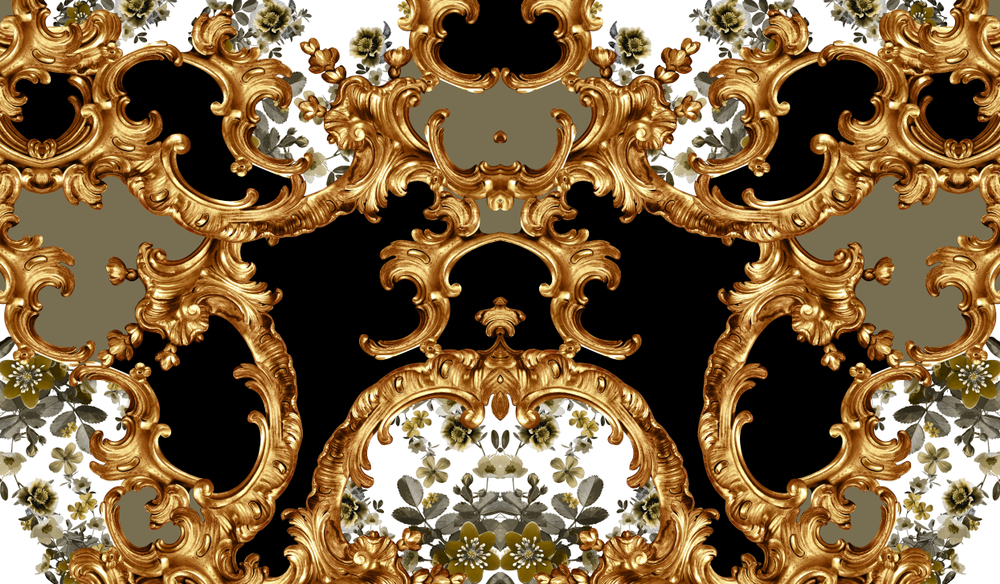
Baroque
Emerging in the late 16th century, the Baroque period prominently featured dramatic contrasts of light and shadow, intricate details, and profound emotions. Derived from a Portuguese word, Baroque describes a Western cultural and artistic style characterized by grand scale, deep emotional intensity, and ornate craftsmanship. Artists like Caravaggio and Rembrandt effectively used light and shadow to depict scenes from daily life.
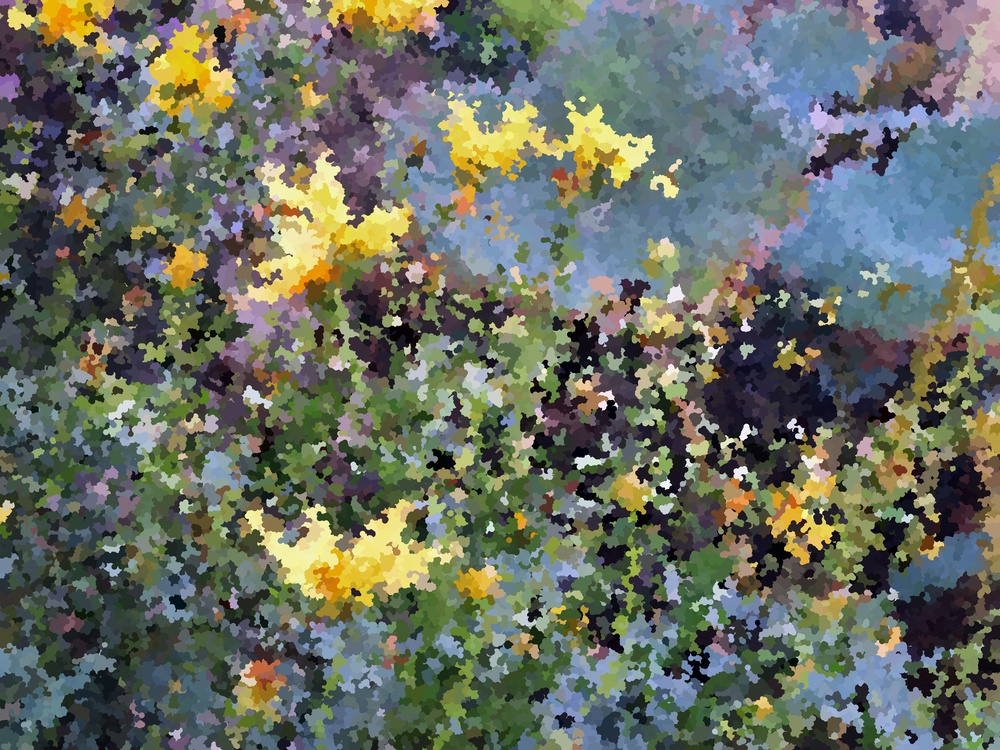
Impressionism
Originating in 19th-century France, Impressionism broke away from conventional art, capturing the beauty of nature with free brushstrokes. Focusing on modern life, Impressionism replaced historical and mythological scenes with ordinary people, urban lifestyles, and natural landscapes. Artists like Claude Monet and Edgar Degas used light brushstrokes, bright colors, and outdoor settings to capture changing light and modern existence.
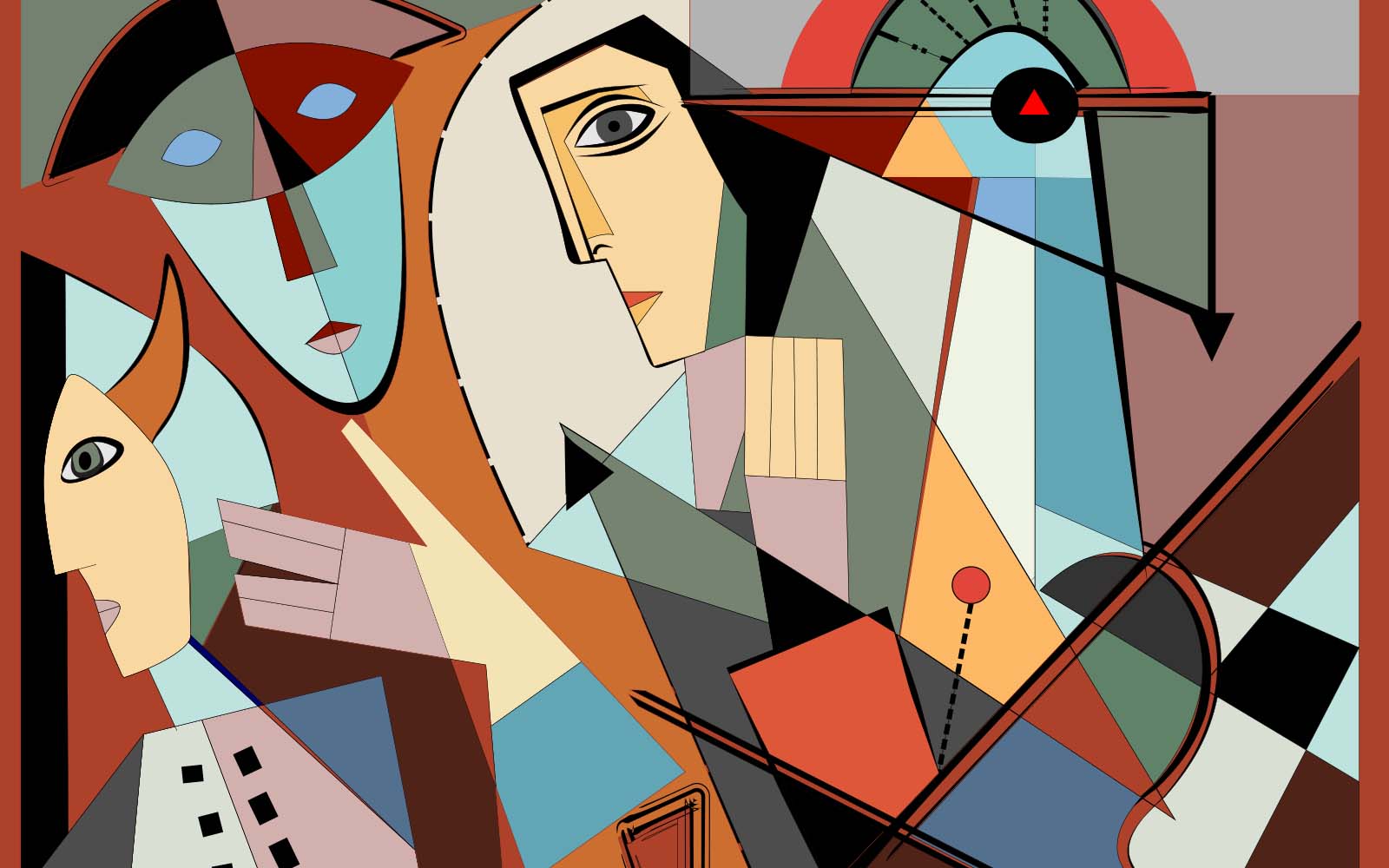
Cubism
Characterized by representations from multiple viewpoints, the Cubism movement presented objects in striking geometric forms. Spearheaded in the early 20th century by Pablo Picasso and Georges Braque, Cubism revolutionized painting and art, sparking artistic innovations in music, dance, literature, and architecture as well.
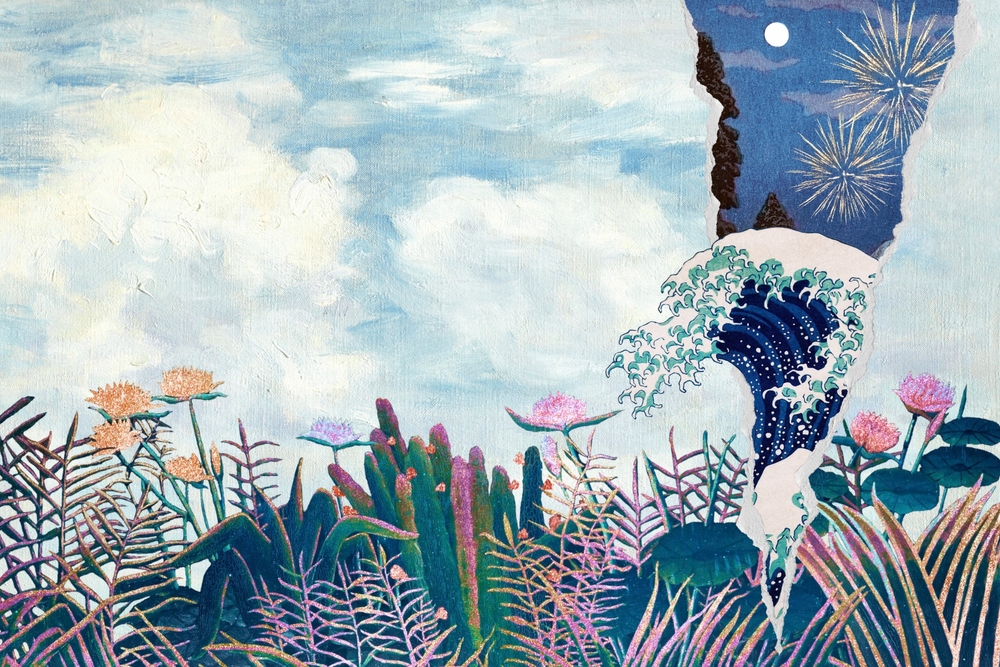
Surrealism
Arising in the 20th century, Surrealism is another unconventional and fascinating art form rooted in imagination and dreamlike qualities. Looking at the works of Salvador Dalí and René Magritte, viewers are greeted with bizarre imagery from a dream world that stimulates deep thought and perspective.
From the Renaissance to contemporary digital creations, you can experience a changing world across the ages. Understanding these historical backgrounds allows art lovers to clearly see how past conventions were challenged and transformed, and how fresh visions of the world were brought to life.





Comments