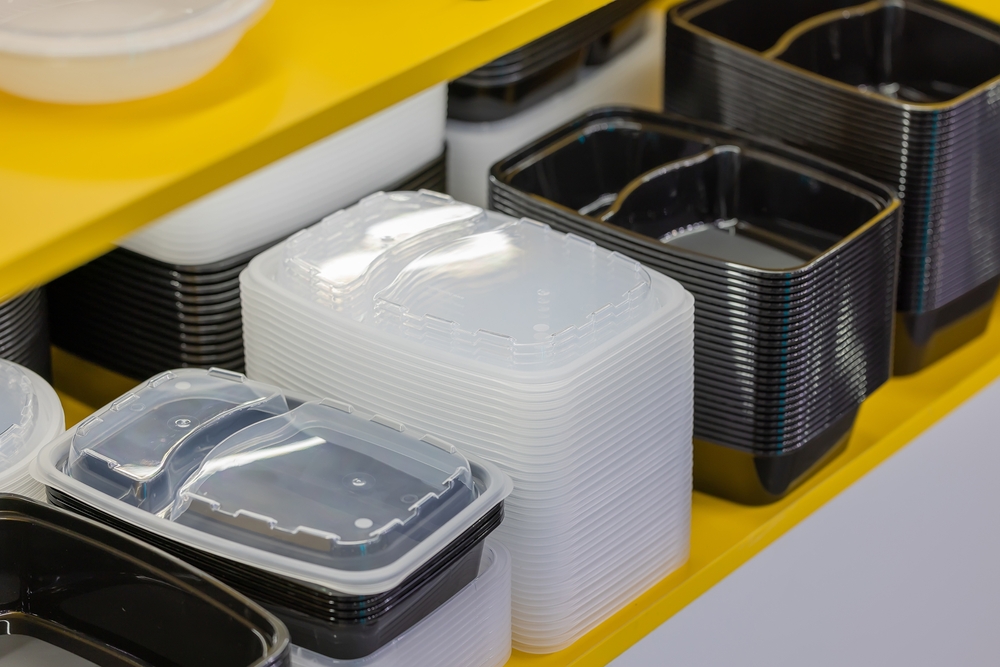
In today's busy lifestyle, ready-to-eat convenience foods that save both time and energy have become increasingly popular. However, we must be mindful of how plastics are used when preparing and packaging these meals. From pre-marinated single-serve meats and packaged vegetables to heatable meal containers, plastics are practically unavoidable and play a major role in modern food packaging. In this article, we'll explore what you need to know about food-grade plastics when buying and preparing ready-to-eat and ready-to-cook meals.
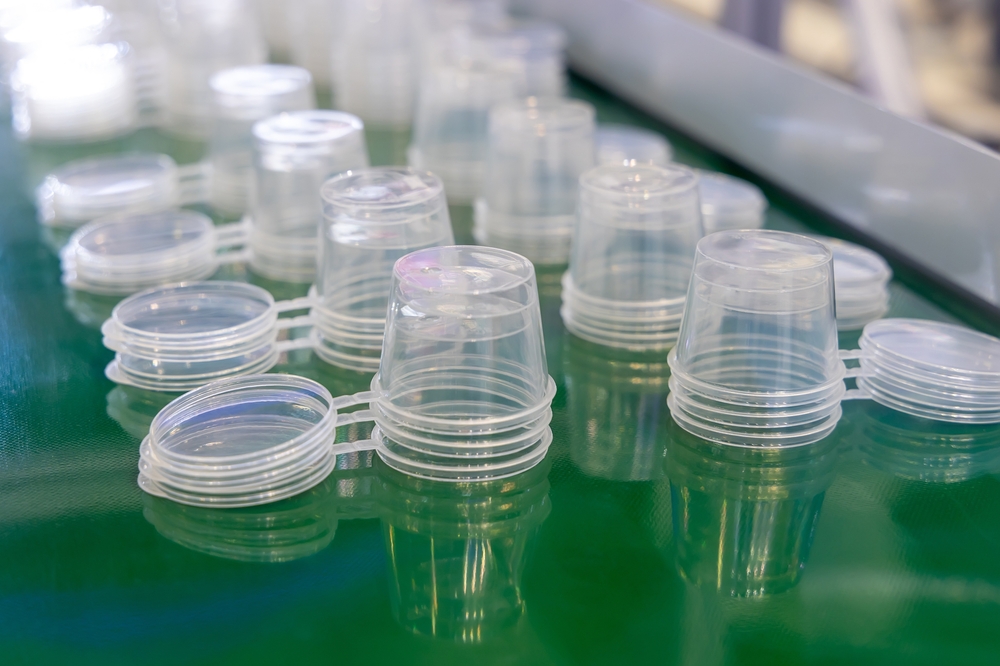
What Are Food-Grade Plastics?
Food-grade plastics are manufactured in accordance with standards set by international food and drug administration authorities. They are specifically designed to prevent harmful chemicals and toxins from leaching into food when heated or stored.
Benefits of Using Food-Grade Plastics for Food
- Preserving Freshness and Nutrients: Food-grade plastic barriers protect against air, moisture, and oxygen, preserving the original flavor, aroma, and nutrients of food for longer periods.
- High Heat Resistance: Specific food-grade plastics like Polypropylene (PP) and CPET can withstand high temperatures when placed directly in microwaves or steamers, without melting or releasing toxic chemicals.
- Preventing Contamination: When used to package raw meat, fish, and vegetables, these plastics prevent bacterial growth, keep items airtight, and protect against spills during transit.
Types of Food-Grade Plastics
- Polypropylene (PP - Resin Code 5): A rigid yet lightweight material with high heat resistance (up to 160°C / 320°F), making it a popular choice for food packaging and preparation.
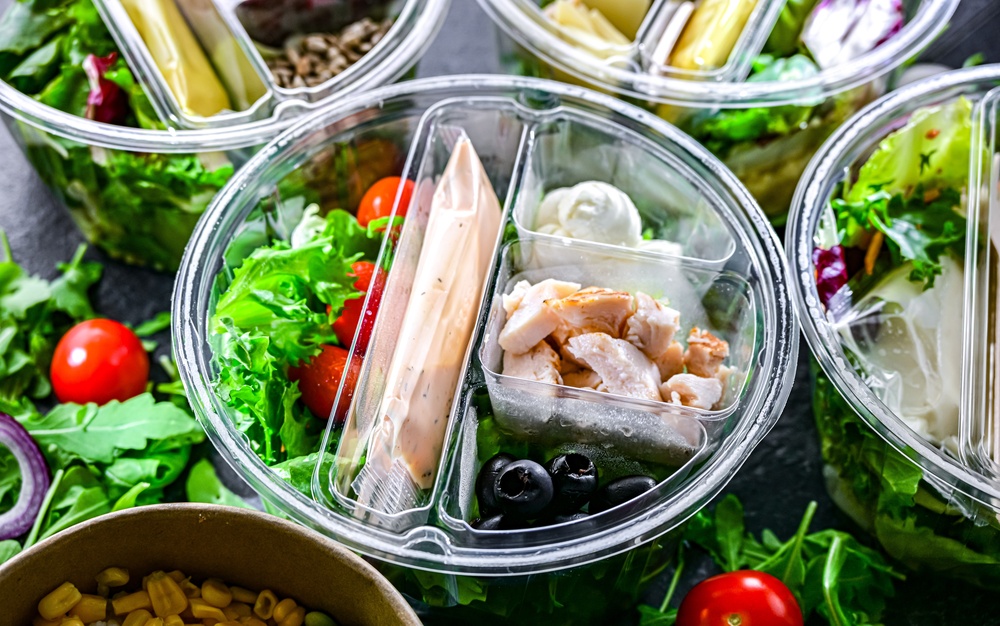
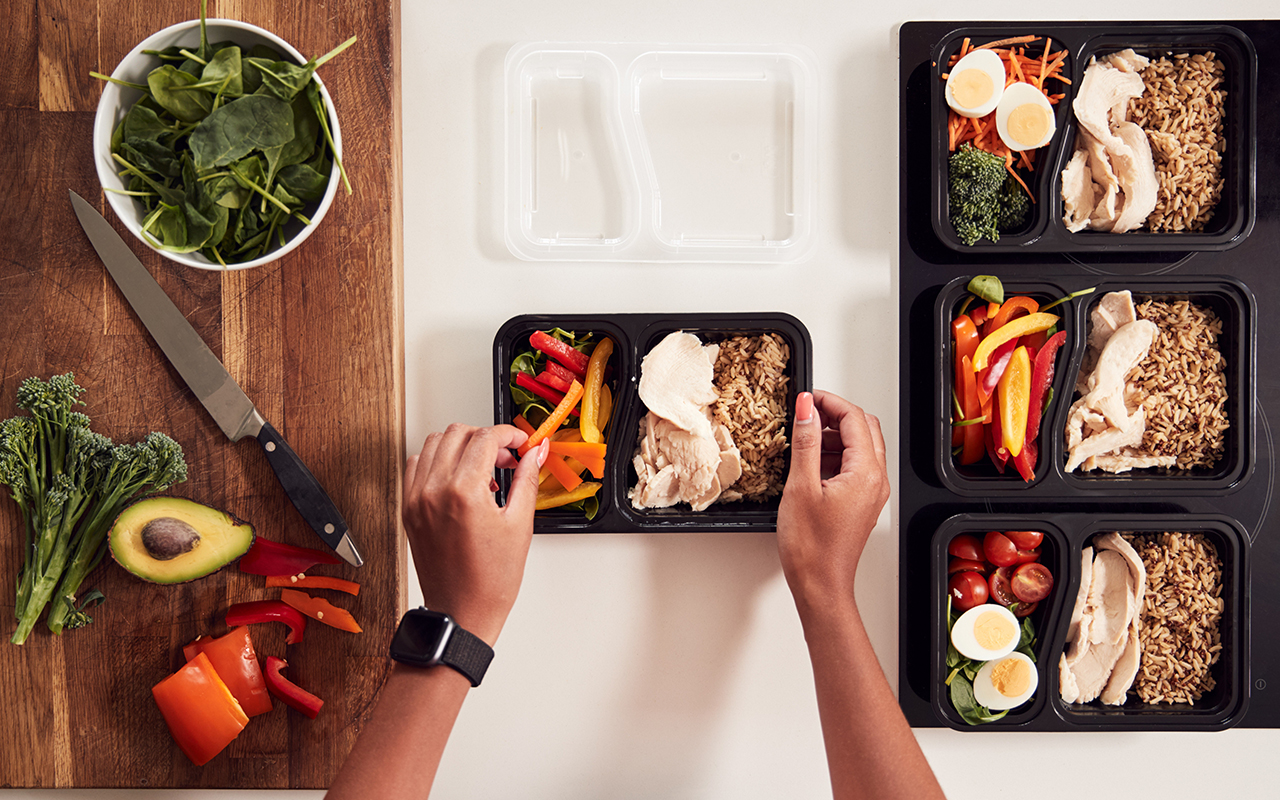
- Crystallized Polyethylene Terephthalate (CPET): Commonly used for compartmented meal trays, this plastic can withstand temperatures ranging from freezer cold (-40°C) to oven heat (220°C / 428°F), making it ideal for ready-to-eat meals.
Precautions When Heating Food in Plastic
- Always check for symbols indicating that the container is Food-Safe and Microwave-Safe.
- Heat or cook food strictly according to the specified temperature and time guidelines on the packaging.
- Never repeatedly reheat single-use plastic containers.
We hope this article helps you make safe, healthy choices when selecting and preparing ready-to-eat meals!


Comments