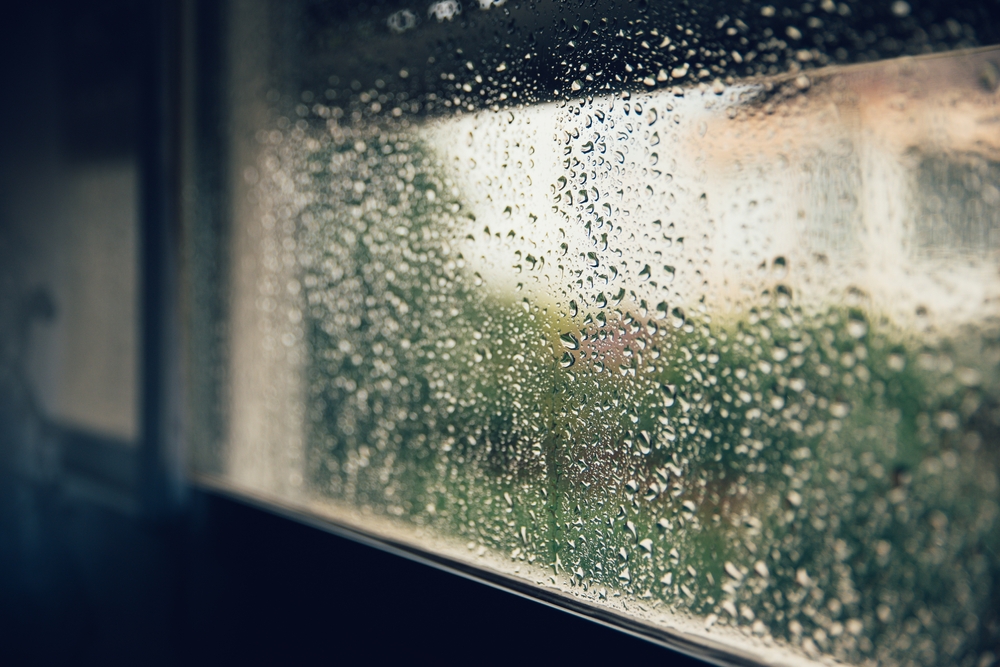
The rainy season is a period characterized by high humidity, even when it isn't actively raining. While outdoor humidity levels can skyrocket to 90% or 100% during a downpour, indoor humidity still manages to hover around an average of 60%. This article highlights the common issues caused by excessive humidity and provides actionable ways to solve them.
Common Problems Caused by High Humidity
1. Mold and Mildew Growth
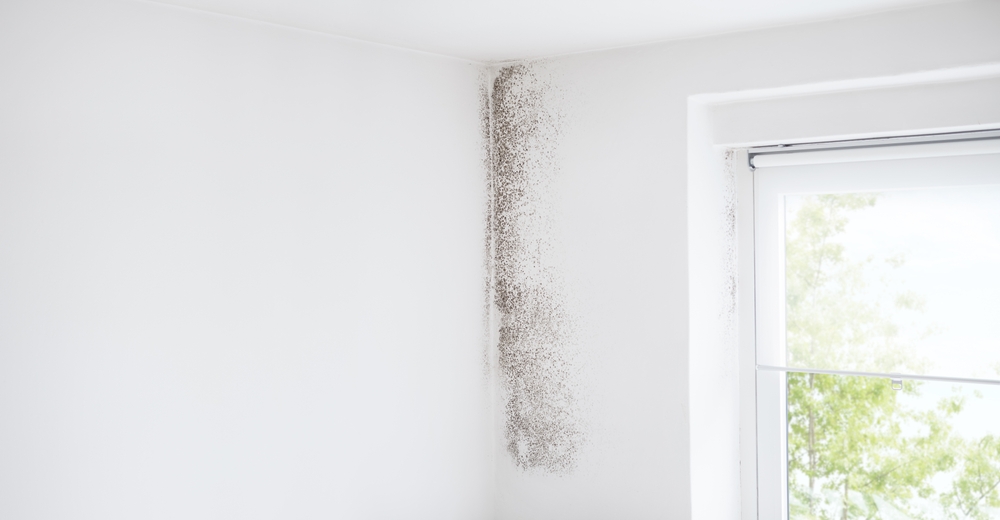
While people generally look out for mold on damp, slowly drying clothes during the monsoon, they often overlook the fact that mold can grow throughout the house itself. When a room suffers from poor ventilation and high humidity, it becomes a prime breeding ground for mold and mildew. You will most commonly spot them spreading across walls, ceilings, wardrobes, and behind furniture.
2. Musty and Stale Odors
While the rainy season brings delightful outdoor scents like petrichor, it also tends to introduce an unwelcome guest indoors: a stale, musty odor. These smells are caused by microbial volatile organic compounds (mVOCs) emitted from damp wood, trapped textiles, and the aforementioned mold growth. Though most people attribute this solely to wet laundry failing to dry, it is actually a broader symptom of high indoor humidity. Unwashed laundry piles can also amplify these odors.
3. Deterioration of Household Goods
Wooden furniture naturally absorbs moisture from the air, causing it to warp or swell when humidity levels peak. You have likely experienced wooden doors becoming unusually tight or sticking during the monsoon; this is a clear sign of excessive indoor humidity. Leather jackets, bags, and shoes can easily be ruined by mold, while pages of books may discolor and warp even without coming into direct contact with water.
4. Damage to Electronic Devices
Moisture can easily condense inside the delicate internal components of electronic appliances. This leads to rust, short circuits, and eventual device failure. On gadgets with digital displays or glass surfaces, you can often see this condensation forming directly on the screen.
5. Respiratory and Health Risks
High humidity causes dust mite populations to thrive indoors, heavily circulating allergens in the air that trigger skin irritation and respiratory issues. Individuals with asthma or chronic respiratory conditions need to be particularly vigilant during this time.
How to Prevent and Manage These Issues
To effectively tackle indoor humidity, you need a dual strategy: decrease internal moisture generation while simultaneously preventing external humidity from creeping inside.
1. Active Humidity Control
In the modern market, standalone dehumidifiers are readily available and highly effective. Depending on your room size, running one of these devices to maintain a target humidity level of 45% to 55% is ideal. If your room has an air conditioner, switching it to Dry Mode (indicated by the raindrop icon) will automatically pull excess moisture from the air. For spaces without these appliances, you can utilize moisture absorber pots or hanging pouches containing Calcium Chloride. These should be placed inside wardrobes and shoe cabinets.
2. Strategic Ventilation Management
While most people remember to shut their windows when it starts raining, they frequently forget to reopen them once the storm passes. The best approach is to open your windows wide only when the rain has completely stopped and a dry breeze is blowing. This allows the heavy, stagnant air inside to be exchanged for fresher air. Conversely, keep windows tightly shut whenever it is raining outside.
3. Smart Indoor Habits
- Dry Laundry Outdoors Whenever Possible: Especially in apartment living, bringing wet clothes indoors during a downpour causes indoor humidity levels to spike drastically. Try to keep them on a sheltered balcony. If you absolutely must bring them inside, hang them in a designated room with the door closed.
- Pull Furniture Away from Walls: Keep sofas, wardrobes, and beds positioned at least 2 to 3 inches away from walls. This allows proper airflow behind the furniture, significantly reducing the risk of hidden mold growth.
- Store Valuables Securely: High-end electronics, such as expensive cameras and lenses, should be kept in airtight dry boxes with desiccant packs. Additionally, when storing household items long-term, opt for breathable fabric or paper organizers instead of plastic bags, which can trap ambient moisture inside.
No matter how damp and dreary it gets outside, your home should always feel cozy, dry, and welcoming. By implementing these simple adjustments, you can successfully keep the monsoon moisture at bay and protect your living space.




Tun lin