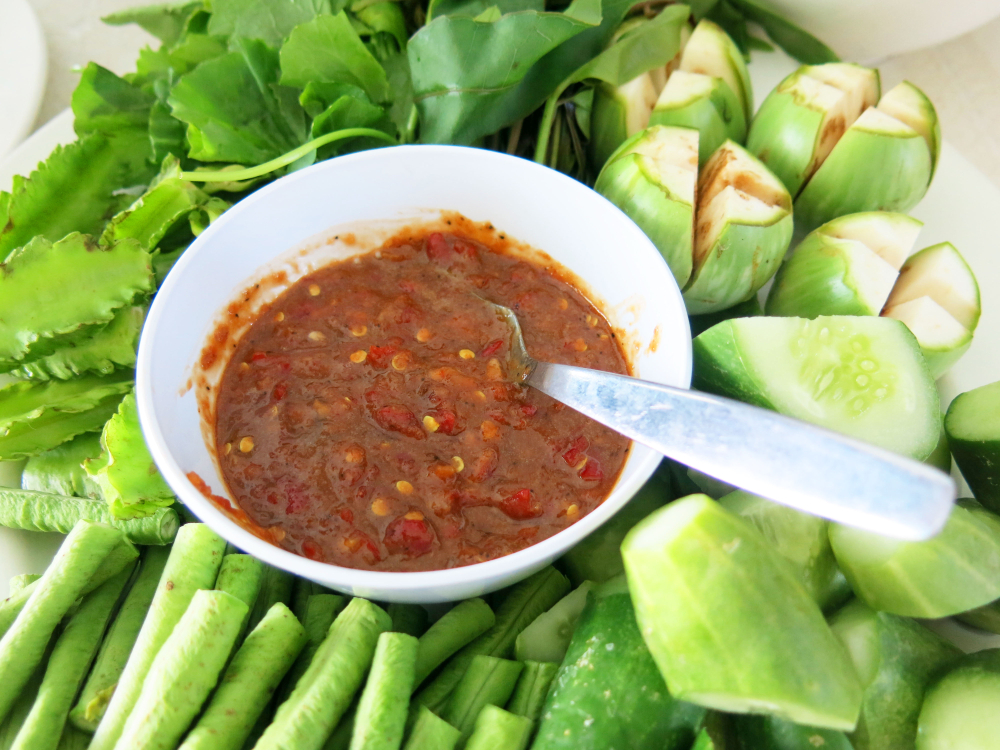
In authentic Myanmar cuisine, across all kinds of cooking styles and dining traditions, ngapi (fermented fish or shrimp paste) is the ultimate star that you simply cannot do without. Even if you have a table full of various side dishes and curries, a meal doesn't feel quite complete or satisfying without some ngapi and fresh raw vegetables (hnot-hsayar / dipping sides) to go with it. Because it makes dishes so flavorful and delicious, ngapi is a daily essential spice or side dish, and for some people, it is even enjoyed as a primary part of their meal. However, as the saying goes, "the dose makes the poison," so you need to consume it mindfully according to your health, and it's equally important to cook and store it cleanly and hygienically. In this article, we’ll explore the health considerations that ngapi lovers should keep in mind, along with some important food safety tips!
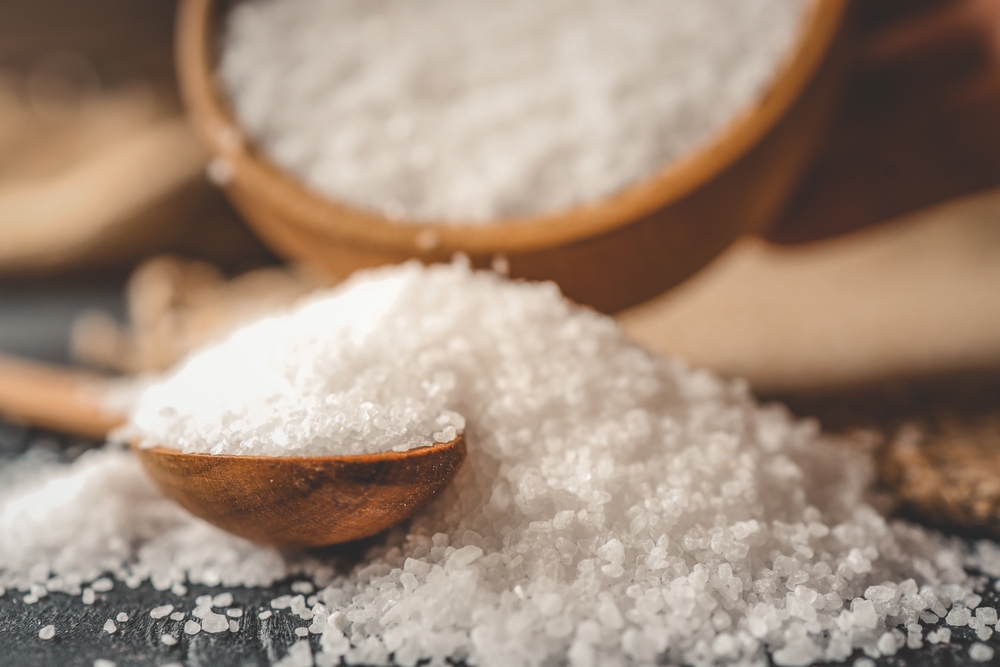
Watch Out for Salt Content
As most people know, salt is the main ingredient used in making ngapi, which means it has a high sodium content. Whether it's raw pressed ngapi (sein-sar ngapi), fine shrimp paste (hmyin ngapi), or whole-fish ngapi (ngapi-kaung), various types of ngapi are created by collecting and drying whatever small fish and baby prawns are caught, then mixing and pounding them with salt. The aroma and flavor can also vary depending on the types of fish and shrimp used. Because of this high salt content, it is a food that individuals with high blood pressure or those who need to reduce salt intake must be very careful with. If you eat it, ngapi should be used in small amounts to enhance flavor rather than as a main dish. Once you cook a dish with ngapi, you must also remember to avoid adding extra salt.
Choose Cleanly Made Ngapi
While fermented fish pastes have a long shelf life, it is crucial that they are made systematically with clean ingredients, proper salt proportions, and good quality. If the handling, processing, or storage methods are untrustworthy, there is a high risk of food spoilage, leading to the formation of harmful substances known as biogenic amines. Therefore, when buying ngapi, choose trustworthy brands and shops, and look for neatly packaged products that have been stored systematically. You should definitely avoid ngapi that looks unusual, shows signs of mold, has an abnormal color, or comes from a leaking bottle or container.
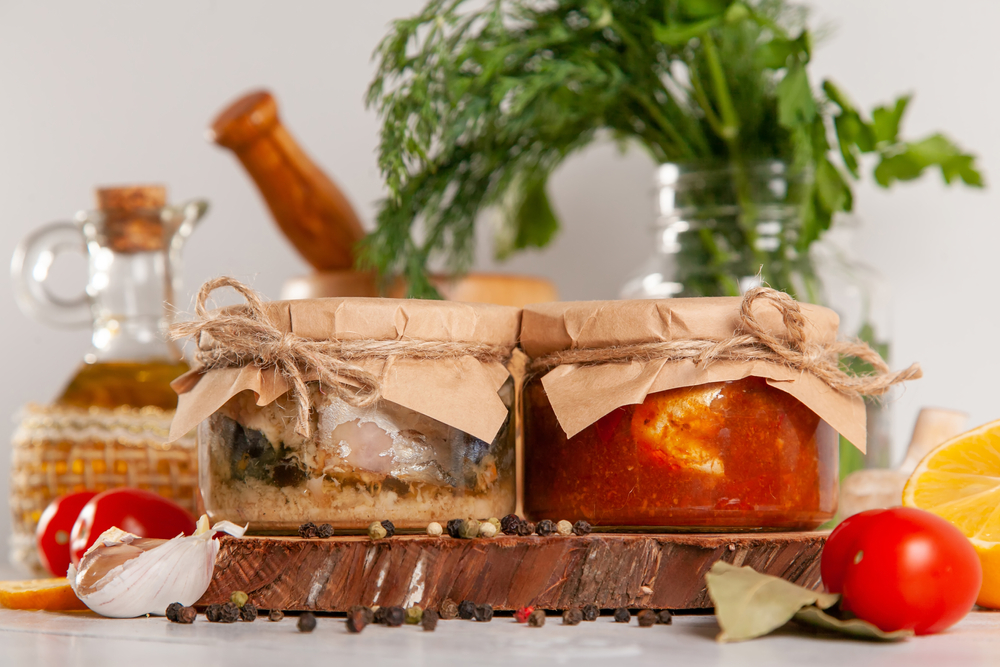
Store It Properly and Neatly
Once you have carefully inspected and purchased your ngapi, make sure to store it according to the label instructions. Always scoop out opened jars of ngapi with a clean, dry spoon, and close the lid tightly afterward. If the weather is hot, ngapi quality can deteriorate easily, so keeping it in the refrigerator is often more suitable.
Ngapi is a valuable food that can be balanced and enjoyed in moderate amounts as part of your daily diet. By keeping an eye on your salt intake and prioritizing cleanliness, ngapi lovers can safely and happily enjoy fully flavorful meals!


Comments