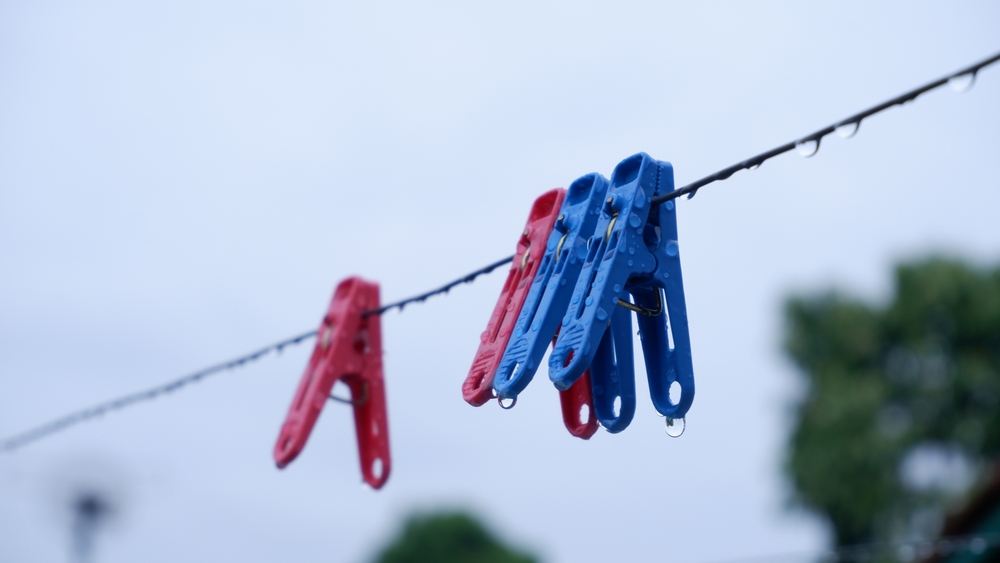
If you were to name the biggest challenge or major annoyance of the rainy season, the problem of damp, foul-smelling clothes would likely spring to mind. Even though this is an annual headache we face every year, we often forget the most effective ways to solve it. Therefore, this article serves as a timely reminder.
To ensure your clothes stay perfectly clean, pleasantly fragrant, and completely free of that damp humidity, you need a systematic plan across three main stages: washing, drying, and storing.
1. Washing Your Clothes
Washing requirements differ quite a bit depending on whether you use a washing machine or wash by hand. Let’s break down the best approach for both methods.
Washing Machine Method
- Don't Let Laundry Pile Up: Wash your clothes regularly to avoid overloading the machine. Cramming too many clothes into a single cycle prevents dirty water and detergent from rinsing away properly, which triggers sour odors.
- Avoid Excess Detergent, Bleach, or Fabric Softener: This might sound counterintuitive, but the more products you dump in, the harder it is to rinse them out completely. If soapy residue is left behind, no amount of added fragrance will save your clothes, they will eventually smell bad.
- Add Half a Cup of White Vinegar: Vinegar is a brilliant natural antibacterial agent that also helps dissolve stubborn detergent residue, effectively neutralizing odors. Best of all, it rinses clean without leaving any vinegar smell behind.
Hand Washing Method
- Dissolve Detergent Fully: When washing by hand, it is critical to ensure the detergent is completely dissolved in the water first. As mentioned before, trapped soap residue is a primary cause of foul odors.
- Limit Soaking to 20 Minutes: Many people like to leave clothes soaking for hours. However, because ambient humidity is so high during the monsoon, prolonged soaking actually encourages bacteria growth and causes bad smells.
- Rinse Until the Water Runs Clear: If you wring out a garment and the runoff water is still sudsy or murky, it isn't done. Keep rinsing until the water is perfectly clear to ensure odors are kept at bay.
- The Vinegar Trick: You can also use white vinegar for hand-washed items. Add 2 to 3 teaspoons of vinegar to your final rinse water and let the clothes soak for about five minutes before the final rinsing.
Extraction Phase Pro-Tip: While washing machines spin clothes until they are barely damp, hand-washed items trap a lot of water. To tackle this, lay down a large, dry towel and place your washed garments on top. Roll the towel up tight and press down firmly using your hands or feet. The dry towel will rapidly absorb the excess bulk water, leaving your clothes significantly drier and ready to hang.
2. Drying Your Clothes
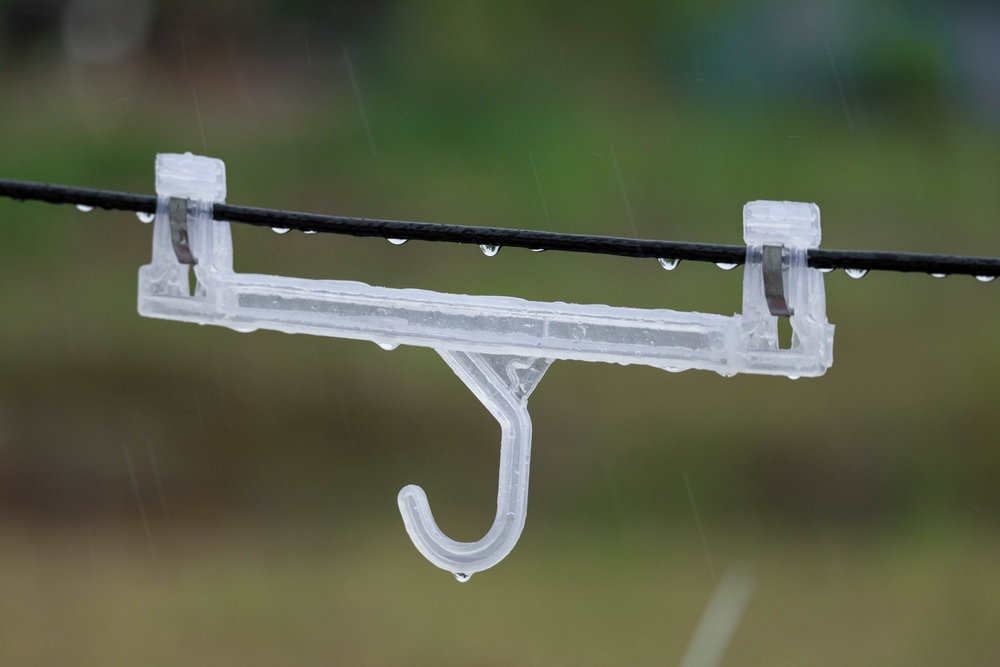
While the traditional routine is to rush outside whenever the sun peeks out, apartment living or non-stop downpours often force us to dry clothes indoors. Keep these crucial tips in mind:
- The "Arch" Hanging Method: When arranging your clothes on a rack, hang your longest and heaviest items on the absolute outer edges, and place thin, fast-drying items in the center.
- Space Them Out: Never let garments overlap or touch. Keep a minimum gap of at least 2 inches between each hanger to allow air to pass through.
- Utilize a Dedicated Room: If you have a spare room, isolate your laundry there and close the door. Make sure to run an electric fan or place a dehumidifier inside the room to pull moisture from the air.
3. Storing Your Clothes
Once your laundry feels dry, how you store it in your wardrobe is just as important. Here are the essential do's and don'ts:
- Never Store Damp Items: If an item feels even slightly humid, do not put it away. You can run a hot iron over it to completely drive out any residual moisture.
- Control Indoor Humidity: High indoor humidity is the secret culprit behind why even clean, unworn clothes in your closet start smelling musty during the monsoon.
- Use Natural Absorbers: Place a few pieces of chalk or a small pouch of baking soda inside your wardrobe. Both act as excellent, cost-effective desiccant solutions that naturally absorb excess moisture and odors.
- Avoid Overpacking: Do not pack your closet completely tight. If there is no airflow between garments, moisture gets trapped inside, creating a breeding ground for stale smells.
Final Recommendation: Get into the habit of washing small batches of laundry every day or two. If you wait and wash a massive pile all at once, the items will take days, or even weeks, to dry fully in this weather. Not only will you run out of clothes to wear, but you will also guarantee a battle with stubborn, musty odors.




Comments