
In this day and age, categorizing someone as an Introvert or an Extrovert has become an important topic. This is generally because understanding these differences helps us better navigate social interactions and foster mutual understanding. In this article, we will discuss the primary differences between Introverts and Extroverts, as well as some common misconceptions.
What are Introverts and Extroverts?
To define them broadly, an Introvert can be described as "someone who needs to spend time alone in private." Conversely, an Extrovert is the opposite: "someone who needs to socialize and engage with many people." In this context, the word "need" is the essential factor, and here is why:
Just as we need physical energy from food and rest to function daily, we also require mental energy. The difference between Introverts and Extroverts lies in the specific method they require to replenish that mental energy.
As previously defined, Introverts recharge their energy by taking private "me-time," whereas Extroverts recharge by going out and socializing with friends. To put it simply: imagine you’ve worked hard all week. On a Friday night or Saturday, would you rather go out with friends or relax quietly at home watching a movie? Those who prefer to stay in are likely Introverts, while those who want to go out are likely Extroverts.

Common Misconceptions
I would also like to highlight some frequent misunderstandings regarding Introverts and Extroverts:
- Introverts are not necessarily shy or anti-social. As mentioned, being an Introvert simply means needing solitude to recharge energy. Fearing social interaction or being shy are actually traits of social anxiety, a condition that can affect both Introverts and Extroverts alike.
- Extroverts are not always confident. There are Extroverts who are afraid of public speaking, just as there are Introverts who are not. Self-confidence is a built-in trait or a skill that is developed; it is not inherently tied to being an Introvert or an Extrovert.
- No one is 100% one or the other. While we can generally categorize people, these traits are rarely fixed in every situation. Behavior often changes based on timing and circumstances. An Introvert might enjoy going to a festival, while an Extrovert might enjoy reading alone.
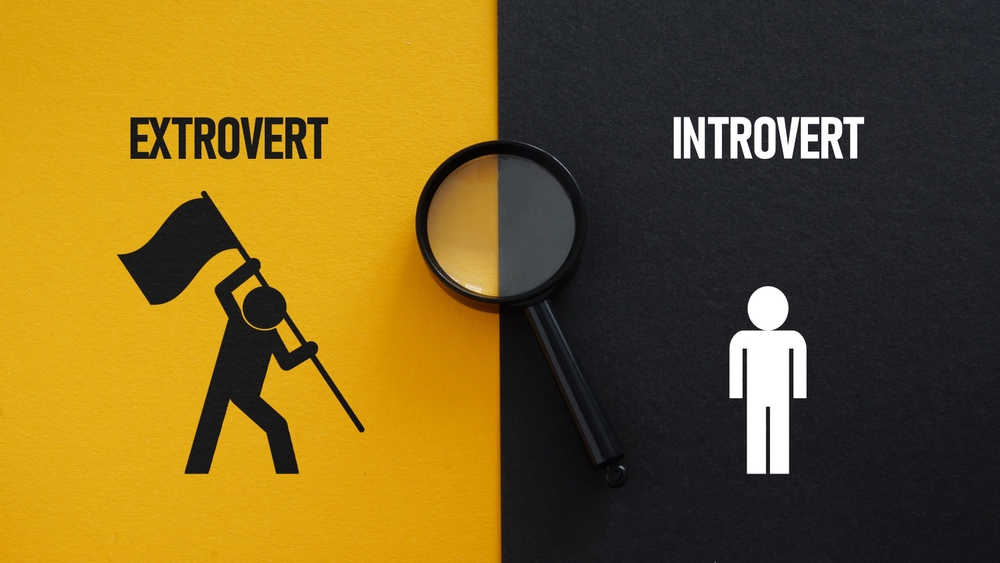
Key Differences at a Glance
The primary differences between Introverts and Extroverts in social settings are as follows:
Feature | INTROVERTS | EXTROVERTS |
Socializing Style | Prefers deep conversations with a few people or one-on-one. | Prefers large groups, social circles, and events. |
Thinking Style | Tends to think internally before speaking. | Thoughts and speech tend to happen simultaneously. |
Preferred Environment | Quiet and private spaces. | Active, energetic, and busy places. |
Relationship Focus | Fewer, but deeper and more meaningful relationships. | Broad and numerous social connections. |
Common Challenges | Requires significant time alone to process thoughts. | May try to resolve situations immediately without prior reflection. |
These points represent the general differences between Introverts and Extroverts. By understanding these traits, we can develop more empathy and better communication in our social relationships.



Comments