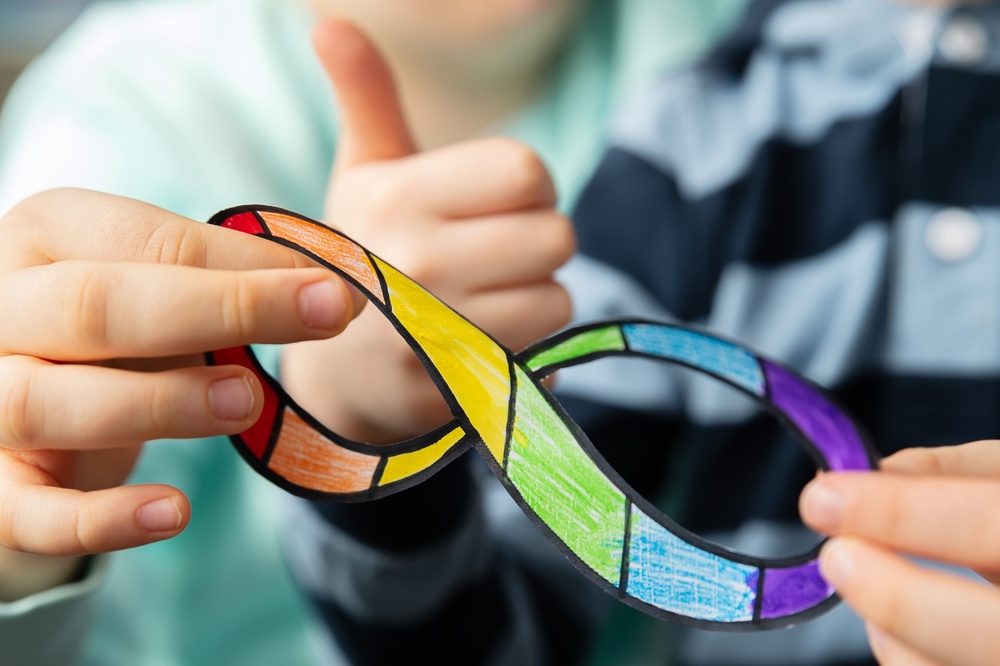
Autism, also known as Autism Spectrum Disorder (ASD), is a developmental condition that can affect communication, social interactions, behavior, and sensory processing, causing individuals to develop differently from others. Although every child grows at a different pace, signs of autism often begin to appear in some children before the age of 1 to 3, while in others they become more prominent as they grow older. Because autism symptoms can change over time, it is important for parents to recognize them early and take necessary proactive steps for their child's development. Here are some key signs of autism you should know about.
Early Warning Signs of Autism
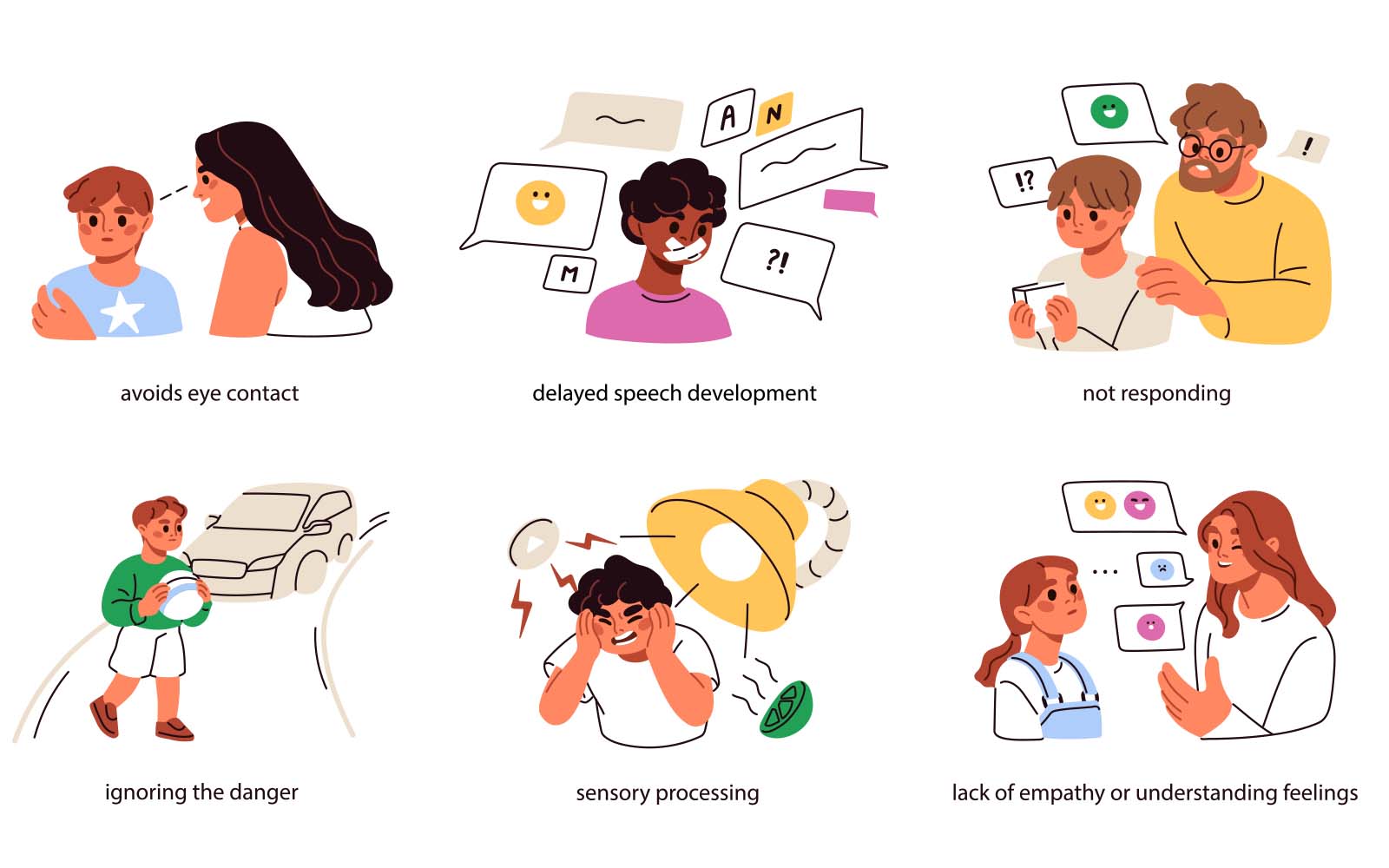
Just because a child exhibits a single sign doesn't necessarily mean they have autism. However, if you notice the signs outlined in a CDC article regarding the Signs and Symptoms of Autism Spectrum Disorder, parents should consult a medical professional:
- Not responding to their name when called.
- Avoiding eye contact or rarely using facial expressions and gestures.
- Not sharing their interests with others, such as by showing or pointing at objects.
- Experiencing speech delays or repeating words and phrases.
- Having difficulty with imitation and expression, or not knowing how to play alongside other children.
- Engaging in repetitive behaviors, such as flapping hands, rocking the body, or spinning objects.
- Becoming extremely distressed by changes in routine or sensory experiences.
- Suddenly losing previously acquired speech, gesture, or social skills (children experiencing this should be evaluated and treated as soon as possible).
What Can Parents Do?
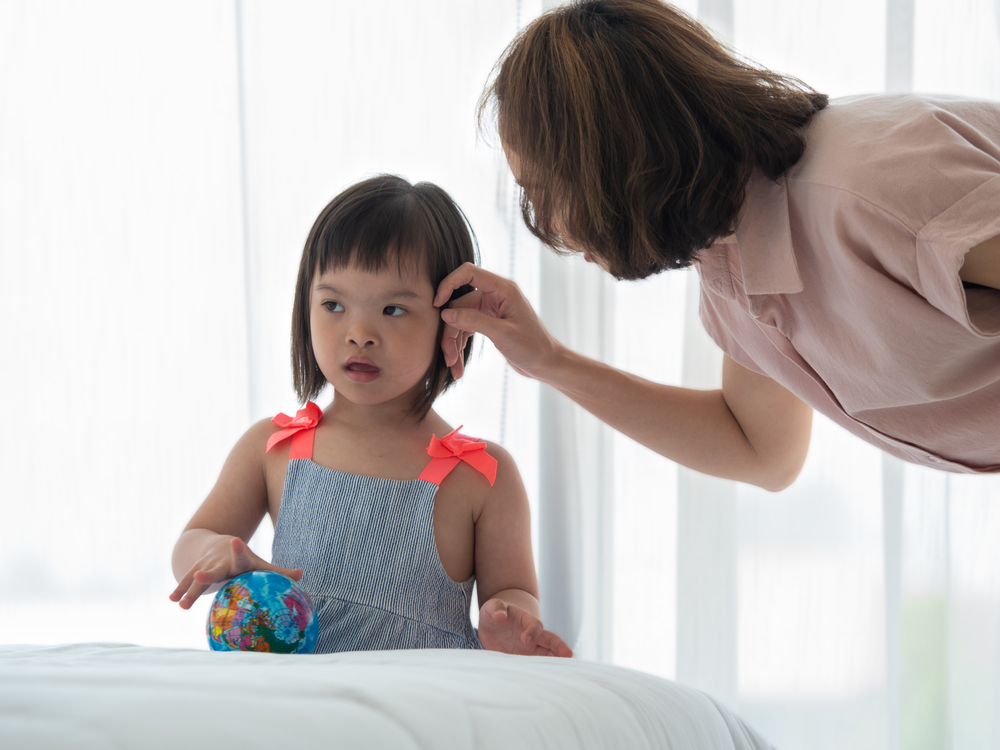
In addition to the signs mentioned above, parents should constantly monitor and keep notes on their child's behavior and development. Share any concerns or topics you want to discuss with a pediatrician or a specialist. It is important to schedule regular health check-ups for your child and get a specific autism screening around 18 and 24 months of age, or whenever parents and doctors suspect something might be amiss. Doing so allows for early detection of autism symptoms, helping family members better understand the child's needs and provide useful, effective support.
You should understand and accept that autism is not caused by poor parenting, and it is crucial not to blame your child by comparing them to others. Rather than easily labeling a child as having autism, you should strive to understand them, provide the earliest and best support possible, and encourage their growth and development.





Comments