
With so many cooking oils available, finding the right one that aligns with a healthy diet and knowing how to use it properly is not as easy as it seems. Because oil is an essential ingredient in almost every cooking and preparation method, it is a household staple that every home must buy and stock. Therefore, when choosing oil for both flavor and health, the most important factor to understand is its smoke point (heat tolerance). Every oil has a temperature limit; if you exceed that threshold, the oil degrades, releasing smoke and toxins. To prevent this and help you choose the right oil for your dishes and cooking methods, here are some key things you should know.
Why You Should Know the Smoke Point of Oils
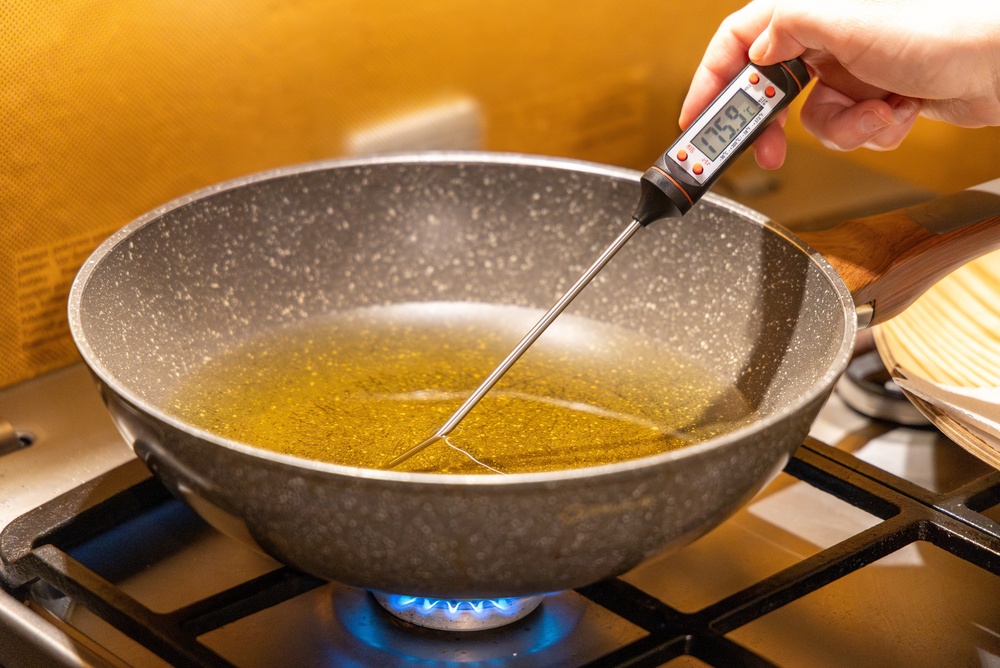
In many households, when cooking starts, whatever oil is used is heated until it gets hot, often unknowingly exceeding its heat limit, which alters its chemical structure and harms health. Understanding and knowing the smoke point of the oil you use is important for both the flavor of your food and your health, as noted in an article by Healthy Kitchen Magic. Therefore, every home cook needs to understand the nature of oils, because using them incorrectly can lead to:
Loss of Nutrients: Prolonged heating or leaving oil exposed to excessively high temperatures destroys the beneficial vitamins and nutrients it contains.
Formation of Free Radicals: As the oils burn down, they produce free radicals that are harmful to the body, and your dishes will end up with a bitter taste.
Ruined Flavors: Using oils that shouldn't be subjected to high heat for high-temperature frying causes them to burn instantly, ruining the original taste of the food.
Best Oils for Frying and Sautéing
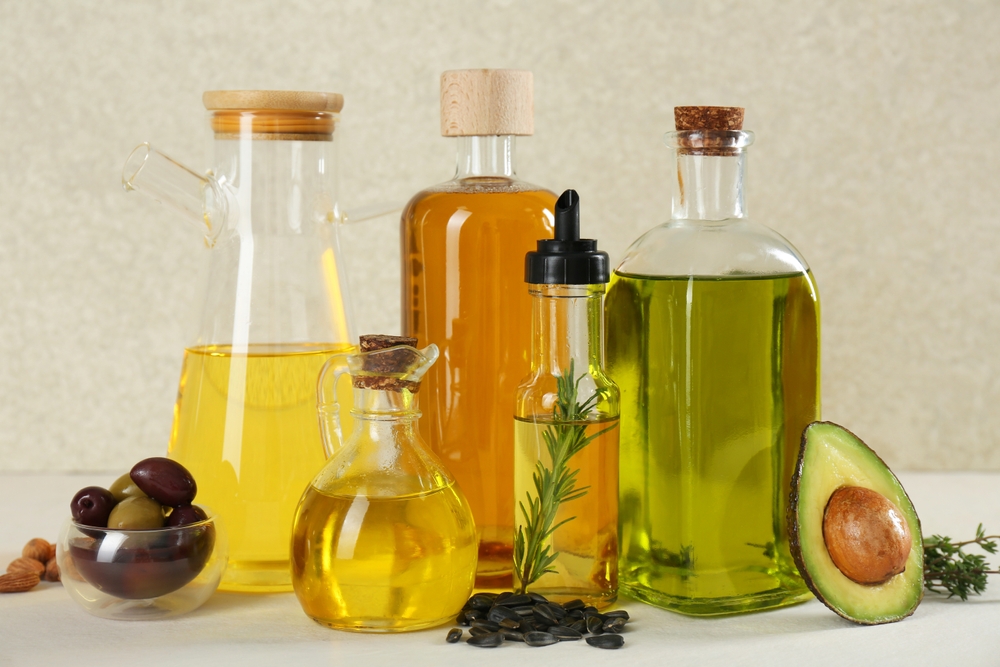
Since many Asian dishes require high-heat stir-frying, sautéing, and deep-frying, there are specific oil types you should choose for high-heat cooking:
Peanut Oil: With a high smoke point of up to 450°F, fragrant and flavorful peanut oil is best suited for deep-frying, stir-frying, and base-sautéing.
Palm Oil: While widely available and budget-friendly for frying with high heat tolerance, an article by BBC points out that it is high in saturated fats and can impact the environment, so it shouldn't be your default choice for regular use.
Sunflower Oil and Vegetable Oil: Affordable and commonly used, these oils have a heat tolerance ranging from 400°F to 450°F, making them some of the most suitable options for healthy home cooking.
Avocado Oil: With an incredible smoke point of around 520°F and a neutral flavor, it is arguably the best oil for searing meats and high-heat frying.
While the oils mentioned above are suitable for high-heat frying and sautéing, you should also choose and use other oils correctly, such as olive oil, which handles medium heat well and is great for light dressings or salads, and sesame oil, which is best added in small amounts at the very end of cooking to impart a rich aroma.
By now, you likely understand the heat tolerances of various commonly used oils and how to choose the right ones, helping you create healthy and delicious meals for yourself and your family!





Comments