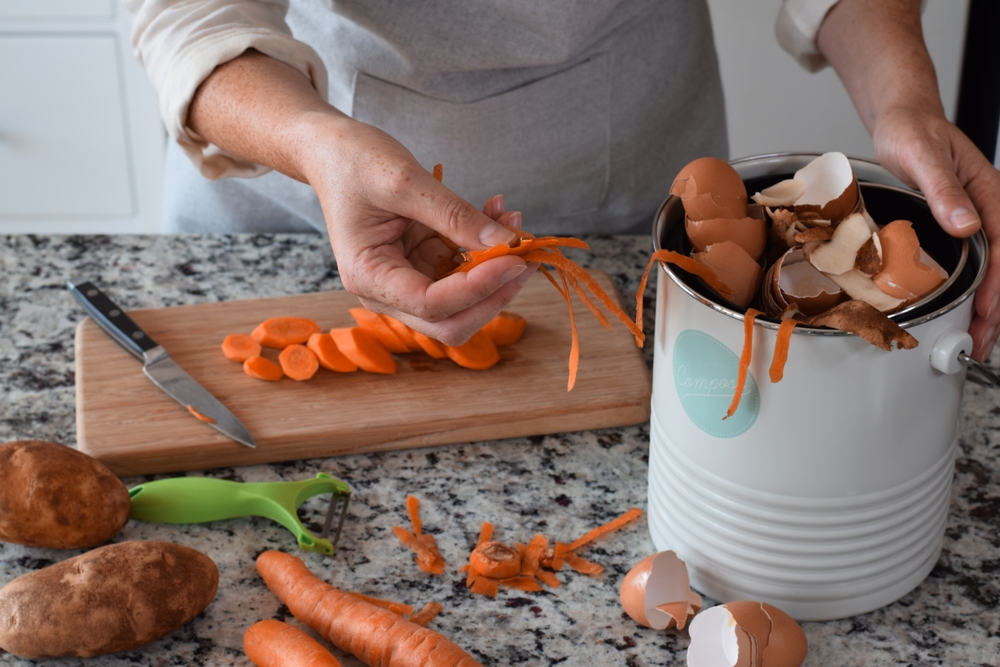
Due to severe climate changes, environmental degradation, and rising living costs and commodity prices, people's lifestyles and dietary habits are gradually changing. Especially when preparing daily meals, unnecessary waste and garbage accumulate. Sometimes, parts of meat, fish, and vegetables that could naturally be consumed are discarded, while parts that should be discarded are accidentally cooked, leading to negative consequences on all fronts. Therefore, let's explore some great cooking methods for managing the kitchen to minimize waste and trash, while also reading about their unexpected benefits.
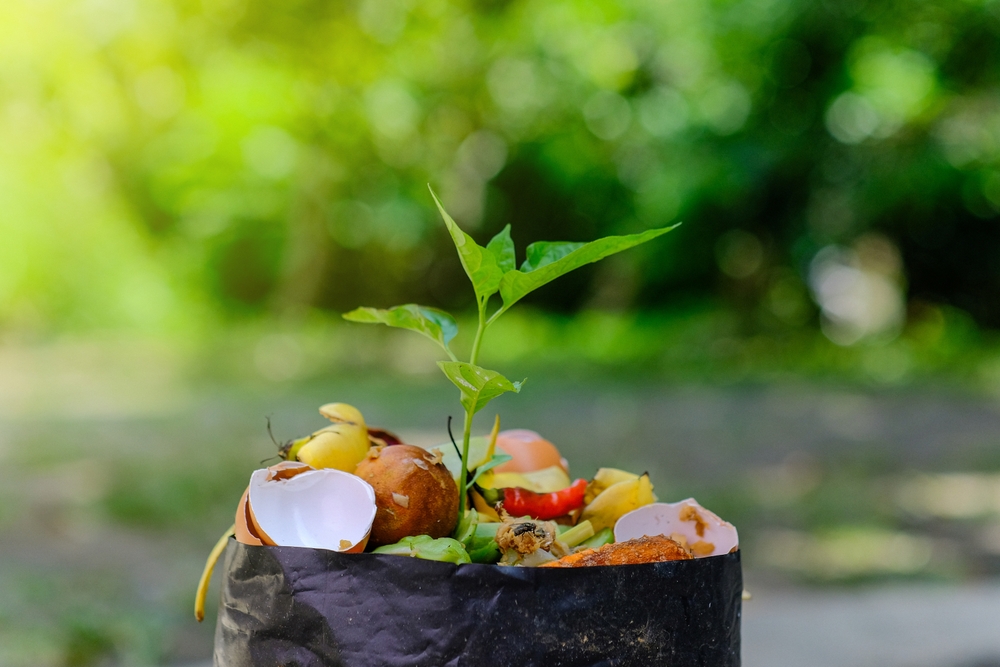
Why We Need to Reduce Waste
Cooking meals systematically in the kitchen without excess or waste brings wonderful benefits for both human health and the external environment:
Saves Costs: Failing to properly utilize and consume food items efficiently is essentially wasting money. Therefore, making full use of meat to get complete protein, and utilizing every edible part of plants and vegetables instead of throwing them away, saves money. Furthermore, creatively repurposing leftover meat, fish, or vegetables into new fried or boiled dishes will help improve your culinary creativity.
Provides More Nutritional Value: When cooking, many people discard vegetable peels, seeds, and leaves that actually contain abundant dietary fiber and vitamins that are extremely beneficial to the body. Not throwing these away and cooking them properly ensures you get full nutritional value while avoiding waste.
Helps Protect the Environment: Disposing of large amounts of food waste causes it to decompose and release methane gas, which contributes to global warming. Therefore, minimizing food waste as much as possible and utilizing everything productively helps reduce environmental problems in a practical way.
Methods for Low-Waste Cooking
Even when trimming only the necessary ingredients for cooking, there are ways to utilize remaining vegetable peels and stems. While these are often thought of as useless scraps, they strengthen the digestive system and provide full dietary fiber, making them worth saving and cooking:
Vegetable Broth: Clean scraps like onion skins, carrot peels, and mushroom stems thoroughly, store them in the refrigerator, and boil them as needed to create a flavorful vegetable broth.
Pesto and Sauces: Instead of throwing away radish tops, cilantro stems, and roots, you can grind them all together, mix them with olive oil and garlic, and create delicious sauces or pestos.
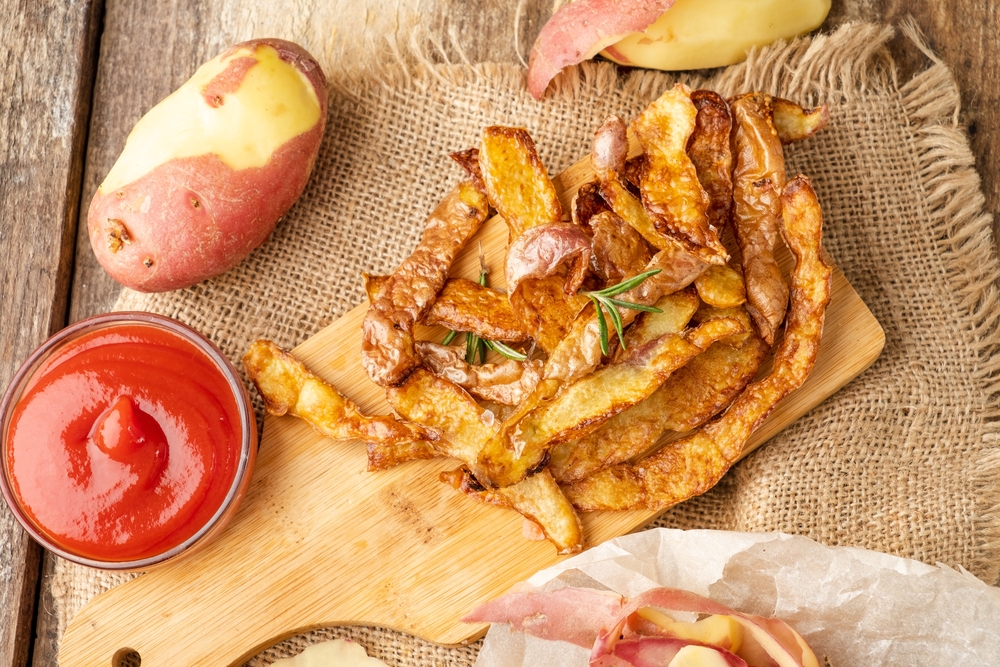
Crispy Peels: Potato and sweet potato peels can be tossed with a little oil and salt, then roasted or fried until crisp to enjoy as healthy snacks.
In addition to these great methods, when shopping, it's also important to buy only the amounts you and your household will consume and to store items systematically to prevent waste and spoilage. Now that you know these low-waste cooking techniques that are healthy, cost-effective, and environmentally friendly, let's put them into practice right away through this article!





Comments