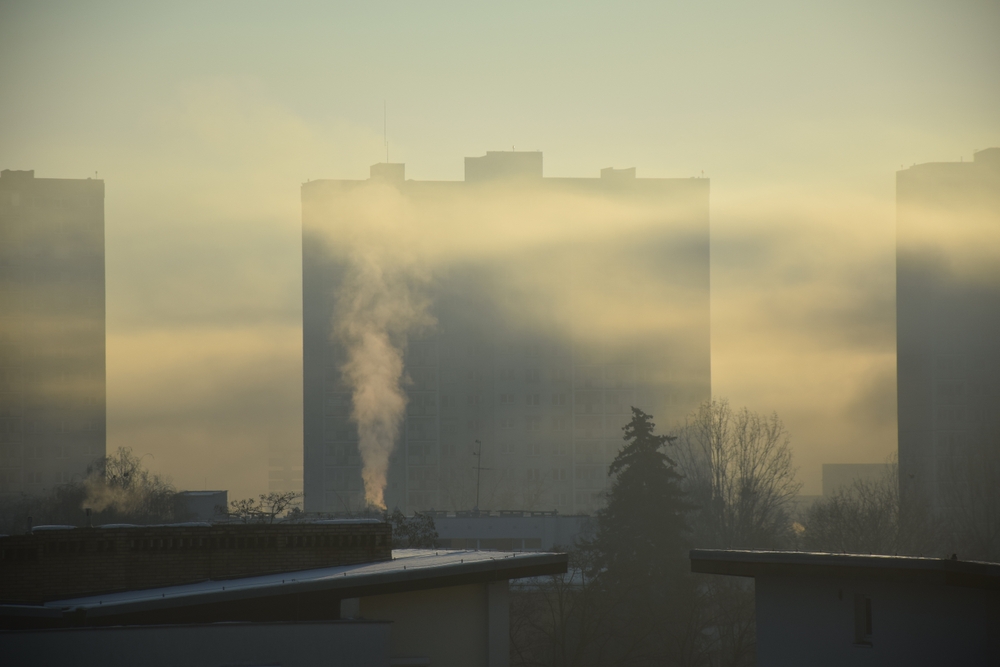
Are you familiar with the word “Smog”? This term is a blend of the words “Smoke” and “Fog,” and it refers to an environmental condition where the air looks like a thick mist due to pollution. This word emerged in the early 20th century and became so widely used that it was officially added to the Oxford English Dictionary in 1926. In Myanmar, especially in cities like Yangon, you might have often noticed gloomy mornings that look like a cloudy or misty day. In reality, this is smog.
Causes of Smog
Urban air pollution is caused by a combination of many factors, including vehicle emissions, industrial activities, dust from construction sites, and the burning of biomass. Urban planning and the climate also play a role. During dry, stagnant seasons or hot periods, the heavy accumulation of dust leads directly to the formation of smog.
One only needs to look at the traffic congestion on the streets of Yangon to see how many smoke-emitting vehicles are in the city. Toxic gases like carbon dioxide and carbon monoxide emitted from poorly maintained buses, trucks, motorcycles, and old vehicles are the primary drivers of air pollution.
Industrial zones on the outskirts of the city continuously release sulfur dioxide and other particulate matter into the atmosphere. Construction sites also release massive amounts of dust and debris during excavation and demolition. Without proper dust control systems, these particles enter the air in bulk, creating smog, especially during the dry season. Additionally, the burning of trash, leaves, and farm clearings in suburban and nearby rural areas, along with the use of wood and charcoal for cooking, contributes significantly to biomass combustion and air pollution.
Health and Other Impacts
As air pollution and smog increase, urban air quality declines, directly affecting public health. Those breathing in this mix of particles and fumes are at risk for asthma, lung disease, and various respiratory infections. It is particularly dangerous for people with underlying health conditions, young children with weaker immune systems, and the elderly.
Studies show that long-term exposure to air pollution increases the risk of cardiovascular diseases, including heart disease, stroke, and hypertension. When inhaled particles and pollutants enter the bloodstream, they cause inflammation and oxidative stress, leading to heart-related complications. These effects can lead to vital organ damage and even increase the rate of premature death.
Since we must breathe the air around us every single day, high pollution levels affect everyone. To solve this problem, we must participate where we can, whether by using public transportation more often or reducing the burning of waste. Starting from the individual and moving to society as a whole, let’s work together to create cleaner air and a healthier lifestyle for everyone.





Comments