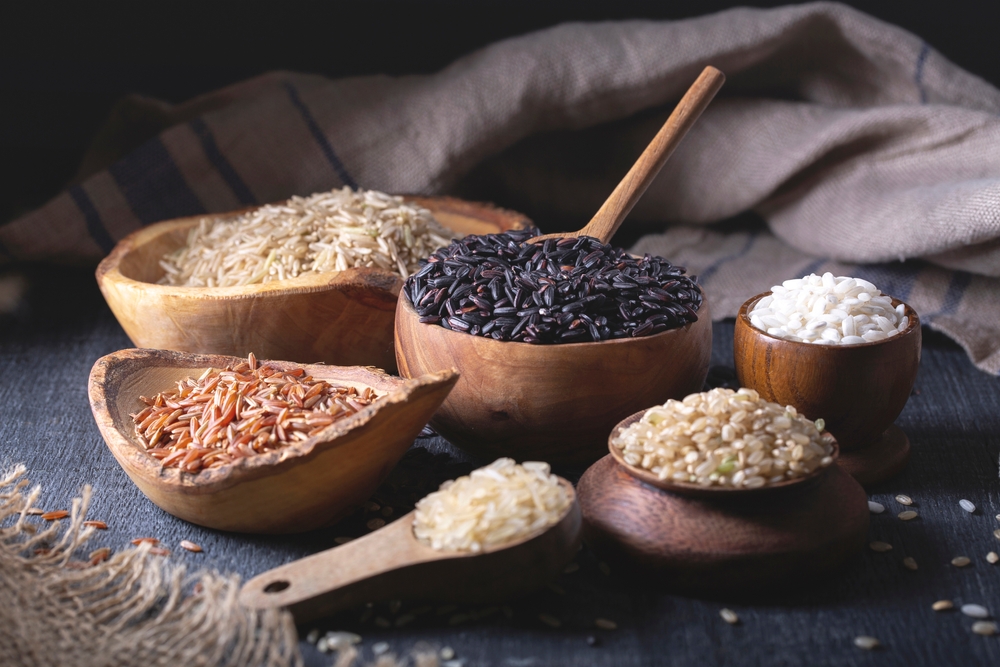
Among the many varieties of rice, glutinous (sticky) rice is a staple that frequently appears at dining tables across Asian food cultures. Containing amylopectin starch, it offers a chewy, soft texture that makes the eating experience distinctly different from regular rice. Throughout Southeast Asia, in countries like Thailand, Laos, China, Japan, and the Philippines, it is not only enjoyed as a regular meal accompaniment but is also featured in traditional festivals, paired with savory dishes, and used in desserts, playing an important role in everyday life. Furthermore, sticky rice comes in various types and offers a wide range of health benefits. Therefore, this article explores the different varieties of sticky rice and their health advantages.
Popular Types of Sticky Rice
Among the various kinds of sticky rice, here are some of the most famous and commonly eaten varieties across Asia:
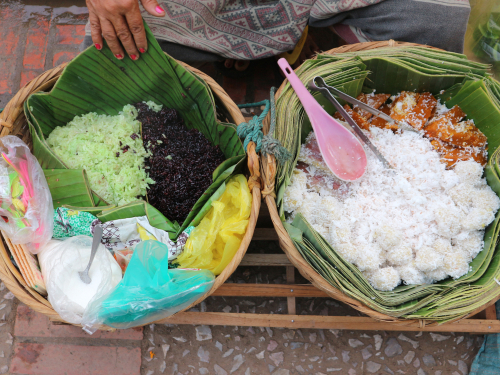
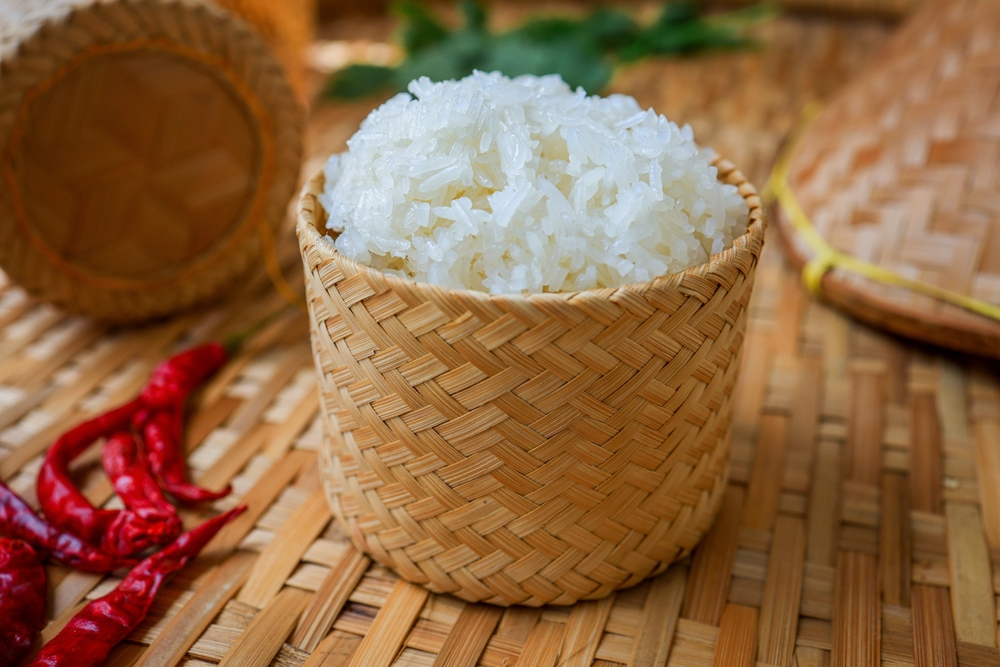
- Long-Grain Glutinous Rice: In countries like Thailand and Laos, sticky rice is often steamed in bamboo tubes or steamers and eaten alongside meat dishes, fruits, or desserts. Laos has the highest per capita consumption of sticky rice in the world, where it is traditionally rolled into small balls by hand and paired with flavorful dishes.
- Black/Purple Sticky Rice: Containing natural pigments, black sticky rice offers a nutty flavor profile and is rich in nutrients. Widely eaten across Southeast Asia, it can be made into sweet rice porridges or paired with coconut milk to create desserts and cakes.
- Japanese-Style Sticky Rice (Mochigome): Made from small, highly glutinous grains, this sticky rice has exceptional elasticity, making it the primary and best variety for crafting modern favorites like mochi.
Health Benefits of Sticky Rice
Each type of sticky rice is not only rich in flavor but also provides numerous health and energy benefits:
High Carbohydrates: Packed with carbohydrates, it quickly replenishes the energy needed by active individuals and athletes.
Vitamins and Minerals: This rice variety contains copper, zinc, and B vitamins, which support the immune system, reduce unwanted inflammation, and help alleviate stressors on the body.
Antioxidants: Black sticky rice contains anthocyanins, which act as antioxidants to protect cells in the body and help reduce inflammation.
Before cooking sticky rice, it needs to be soaked in water for at least 4 hours. Steaming the soaked sticky rice, rather than boiling it, minimizes excess fats and achieves the best possible texture. So, this article has helped you discover the unique qualities of sticky rice, from its traditional pairings with Asian dishes and desserts to its valuable health benefits!




Comments