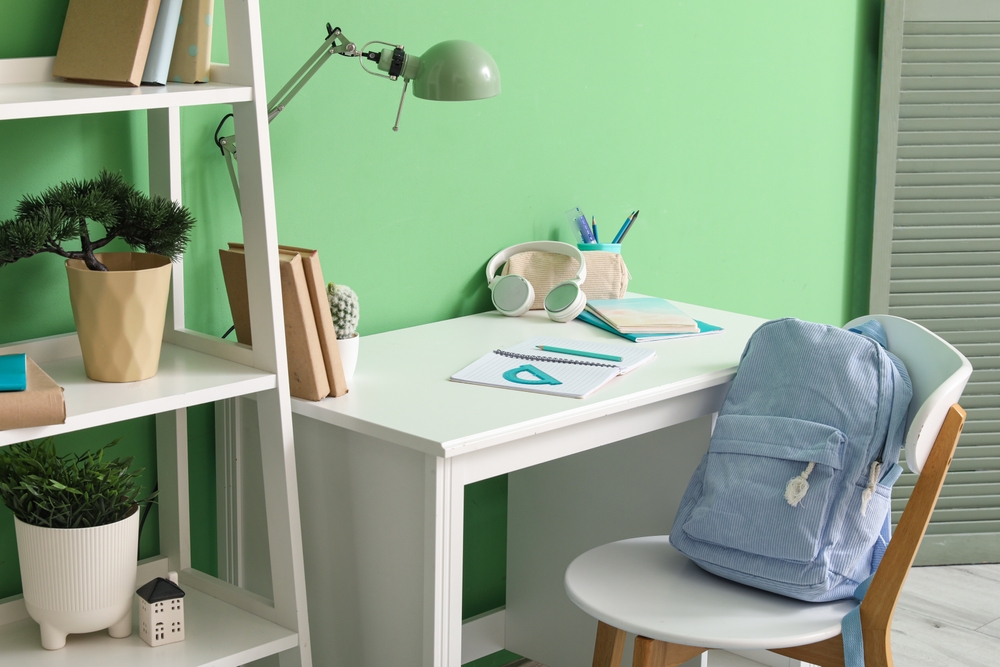
Have you ever noticed that the lack of a dedicated study space at home, or a cluttered study desk, can reduce a child's concentration? A clean, organized little study corner can completely transform a child's interest in education.
Why is a Study Corner Necessary?
Simply having a desk and a bookshelf isn't enough; a well-organized study corner drastically improves a child's learning capability. Because children's attention spans are naturally unstable, even minor movements can easily distract them. When children study in places like the living room or dining table surrounded by toys, phones, and televisions, their brains are not fully focused on their studies; instead, they remain intrigued by the surrounding distractions. Therefore, when you create a dedicated Study Corner with only books and stationery, there are no distracting toys or entertainment devices in front of their eyes.
Sustained Focus: With nothing on the desk except the current schoolwork, their eyes and brain can maintain long-term concentration right at the desk.
Encourages Routine: Instead of throwing their school bag down and leaving books scattered everywhere the moment they get home from school, a designated spot gives everything a permanent home.
Fosters Independence: When children recognize this as their own personal space, they naturally learn where to put their books back after studying and which container to return their pencils and erasers to.
Builds Responsibility: Instead of parents constantly cleaning up after them, it encourages good habits of self-management and personal responsibility from a young age.
Saves Time: Knowing exactly which shelf a book is on or which box a tool is kept in reduces searching time and eliminates frustration. Being mentally and physically prepared to study helps children view studying as a fun activity.

What to Watch Out For to Improve Concentration
Beds and living rooms are spaces designated for relaxation and sleep; the moment a child opens a book on a bed, laziness and drowsiness naturally set in, causing their concentration to drop instantly. Sounds from the television and constant family movement constantly disrupt a child's focus, requiring much more time than usual to absorb even a single piece of information, which severely strains the brain. Studying haphazardly here and there without proper boundaries not only makes children easily distracted but also cultivates a subconscious mindset that "studying is boring." Because children's attention spans are shorter than adults, having a distraction-free dedicated Study Corner shields a child's brain from external interruptions, supporting their ability to focus their intelligence in one place.
How to Create a Study Corner
Setting up a study corner does not require a large budget or a massive room. The key is to systematically prepare these 4 steps:
1. Choosing Lighting and Location
- The first step is deciding where in the house to set up the study corner.
- Avoid noisy areas, high-traffic zones, or spaces near the television; instead, choose a quiet corner of the room.
- Pick a spot with good natural light, which reduces eye strain and keeps the mind clear.
- When studying at night, include a protective desk lamp that shines light directly onto the book to prevent eye damage.
2. Furniture Selection
Furniture that fits a child's physical build is far more important than a fancy desk.
Height Match: When sitting at the desk, the child's feet should rest flat on the floor (no dangling legs). The desk height should allow them to rest their elbows comfortably.
Chair: The chair needs a backrest and should be comfortable to sit on. Improperly sized desks and chairs can cause neck strain, back pain, and long-term skeletal misalignment, leading to children being unable to sit at the desk for long periods.
3. Neatness and Organization
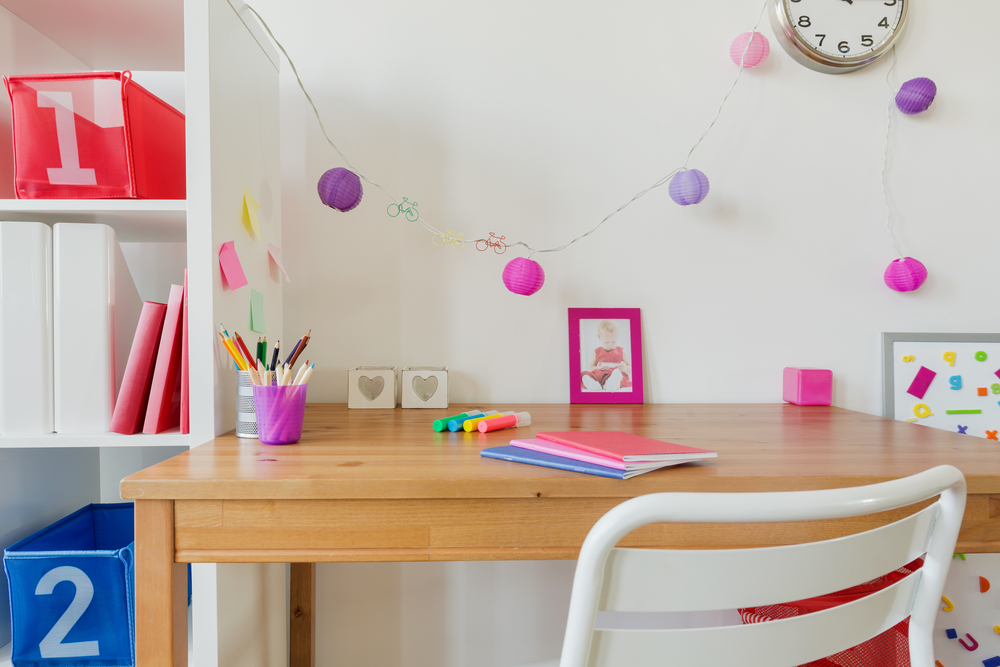
If the desk is cluttered, the child's mind tends to feel cluttered as well. A clean desk improves performance, so the desk surface should be clear of everything except the active study materials.
Organization: Separate pencils, rulers, and erasers into individual pencil cases.
Bookshelf: Set up a small bookshelf beside the desk to neatly arrange daily textbooks and notebooks. Having supplies neatly in sight stimulates the desire to study.
4. Personalized Customization
A study corner should be a space that inspires the child to want to study, rather than just matching the parents' aesthetic style. Allow the child to participate in decorating it.
- Hang drawings the child made themselves or award medals for good test scores on the wall in front of the desk.
- Using colors the child loves and letting them shape the space according to their imagination will immensely boost their desire to sit down and study.
By simply cleaning up an old desk in a corner of the house, organizing pencil holders, and setting up proper lighting, you can create a priceless study corner for your child. This space, crafted with parental care, will serve as the best learning environment for your child. So, let's start creating a personal Study Corner together for your little ones today!




Comments