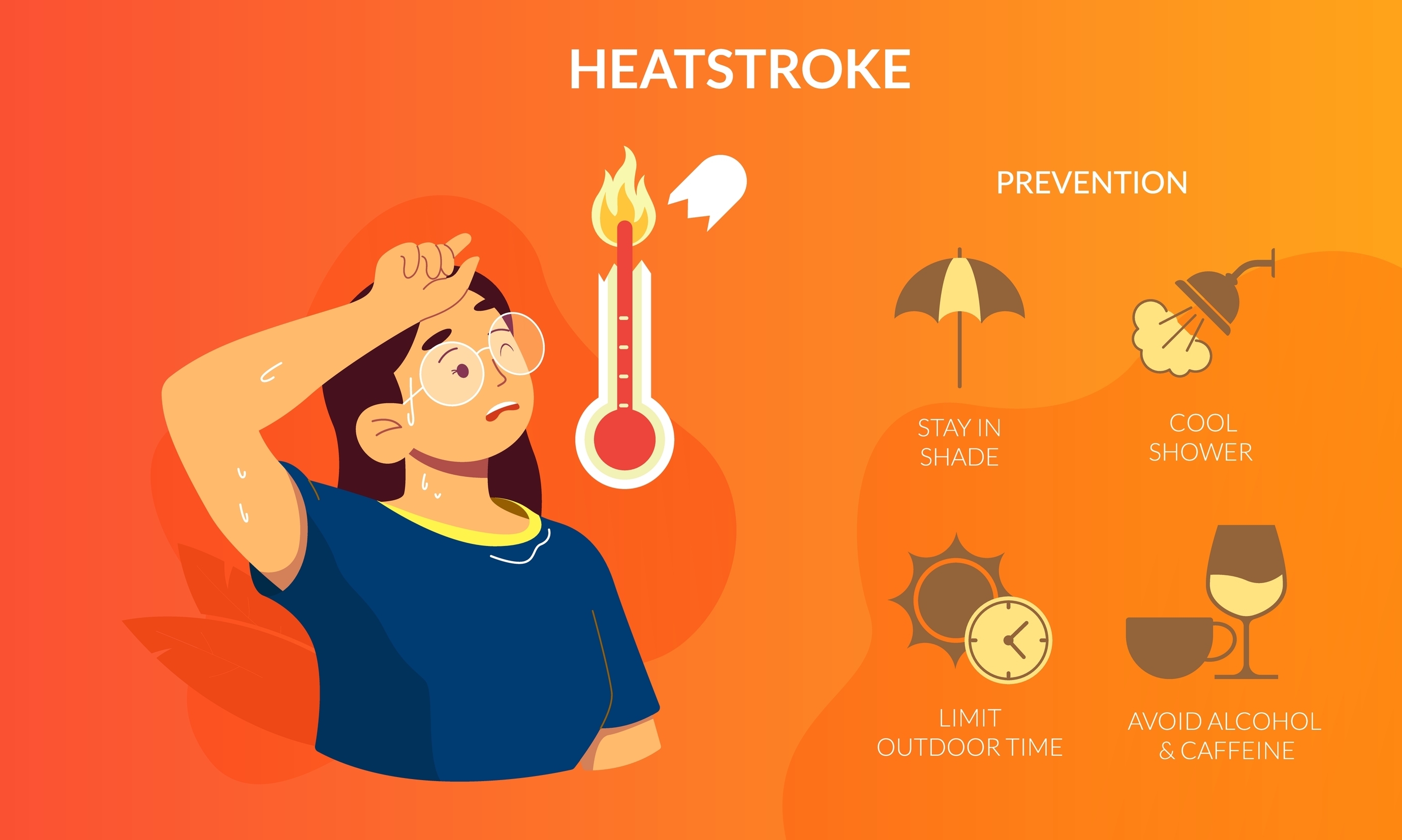
During the extreme temperatures of summer, one of the most frightening dangers is heatstroke. Because heatstroke can become life-threatening in a very short time, it is essential to understand why it happens, recognize the symptoms, and know how to prevent and treat it. This article will explain these points in detail.
What is Heatstroke?
Heatstroke occurs when the human body can no longer automatically regulate its own temperature, resulting in an excessively high body temperature. Generally, during heatstroke, the body temperature exceeds 40°C (104°F). It is important to note the slight difference between “Heat Exhaustion” and “Heatstroke.” Heat exhaustion is like a preliminary “yellow-level” warning, while heatstroke is the much more severe “red-level” stage. During heat exhaustion, the body’s natural cooling system (sweating) is still functioning; you will feel heavy sweating and a rising temperature. Heatstroke is different.
Primary Causes of Heatstroke
Heatstroke can be categorized into two types: classic heatstroke and exertional heatstroke. Classic heatstroke usually occurs due to prolonged exposure to an overheated environment and is more common in the elderly, young children, and those with chronic health conditions. Exertional heatstroke happens due to intense physical activity during high temperatures. This type is more common in young people and middle-aged adults who perform manual labor or heavy exercise.
Symptoms of Heatstroke
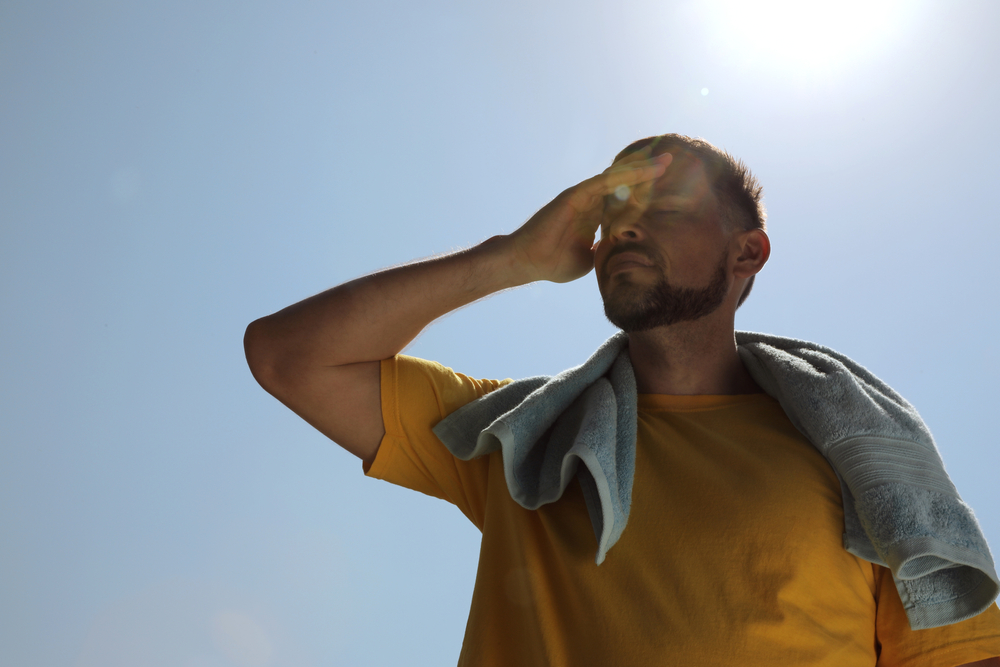
As mentioned earlier, heatstroke symptoms differ from ordinary heat exhaustion. Prominent signs include a body temperature rising above 40°C (104°F), a complete lack of sweating, skin that becomes dry and red, a strong and rapid pulse, dizziness, vomiting, confusion, and loss of consciousness. In exertional heatstroke, however, the victim might still be sweating profusely rather than not at all. The key symptoms to watch for are confusion and loss of consciousness. If a person is still fully conscious, they are likely still in the heat exhaustion stage, and you should act quickly to lower their temperature.
What to Do When Encountering Heatstroke
Experiencing heatstroke while alone is extremely dangerous. Therefore, getting help from others is the most critical step. If you begin to experience these symptoms yourself, ask someone for help immediately and move to a cool area as fast as possible. If you notice someone else showing signs of heatstroke, call emergency services. Move them to a shaded, cool area immediately and remove any heavy clothing. Apply cool water to their body to help lower their temperature. If they are still conscious, give them water to drink slowly.
How to Prevent Heatstroke
Prevention is always better than a cure. Since heatstroke can become fatal so quickly, taking precautions is the best approach. The most important tip is to drink plenty of water during hot weather. Additionally, choose light, breathable clothing. Avoid going outside as much as possible during the afternoon when temperatures are at their peak. You should also avoid alcohol and caffeine as much as possible.
We hope this gives you a clear understanding of the dangers of heatstroke. As the saying goes, “Wisdom guards life”, we encourage you to stay informed and stay vigilant for your health while facing the summer heat.



Comments