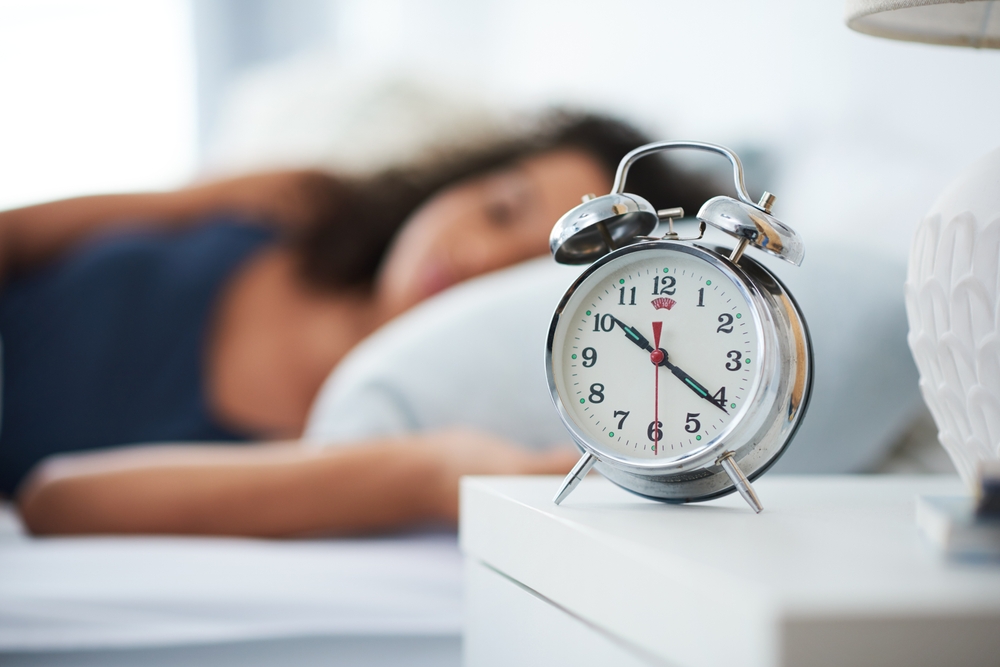
When it comes to sleep, sleeping too much isn't necessarily better, nor is sleeping too little a good approach for your health. An average adult should have at least 7 hours of sleep per day so that they can fully rest and wake up feeling energized for the day ahead. In this article, we will explore how irregular sleep durations, whether too much or too little, are linked to your health, so be sure to read until the end!

When Sleep Time Is Too Little
Many young people experience the occasional bad mood or sluggishness from missing a single night of sleep, leading them to think that a single sleepless night won't hurt. However, this lack of sleep can slowly turn into a regular habit where people survive on just 5 or 6 hours of sleep a night fueled by coffee. Because this cuts sleep time below the recommended 7 hours for various reasons, it begins to impair memory, concentration, and mood. According to an article by the CDC, chronic sleep deprivation increases the risk of obesity, diabetes, hypertension, heart disease, stroke, anxiety, and depression. Ultimately, lack of sleep weakens the immune system and makes everyday tasks more prone to errors and accidents.

When Sleep Time Is Too Excessively Long
While oversleeping doesn't inherently carry severe health risks, and can act as a way for sick individuals or sleep-deprived youth to recharge, sleeping more than 9 hours a day can sometimes mean that your brain and body aren't getting truly restorative rest. It can also be a sign of an underlying health issue causing constant fatigue. If you sleep for many hours yet still feel exhausted, snore loudly, wake up gasping for air, or feel sleepy and sluggish throughout the day, you should consult a medical professional.

So... How Much Sleep Should You Actually Get?
Healthy sleep requirements vary by age. Generally,
- Children aged 6 to 12 need 9 to 12 hours.
- Teenagers aged 13 to 17 need 8 to 10 hours.
- Adults aged 18 to 60 need at least 7 hours.
- Adults over 60 need 7 to 8 hours.
To achieve better and healthier sleep, it is best to set consistent bedtimes and wake-up times, keep your bedroom comfortable with dim lighting, reduce afternoon coffee intake, and avoid looking at your phone right before bed. Doing so will help you avoid extremes of too little or too much sleep, ensuring you get adequate, high-quality rest.





Comments