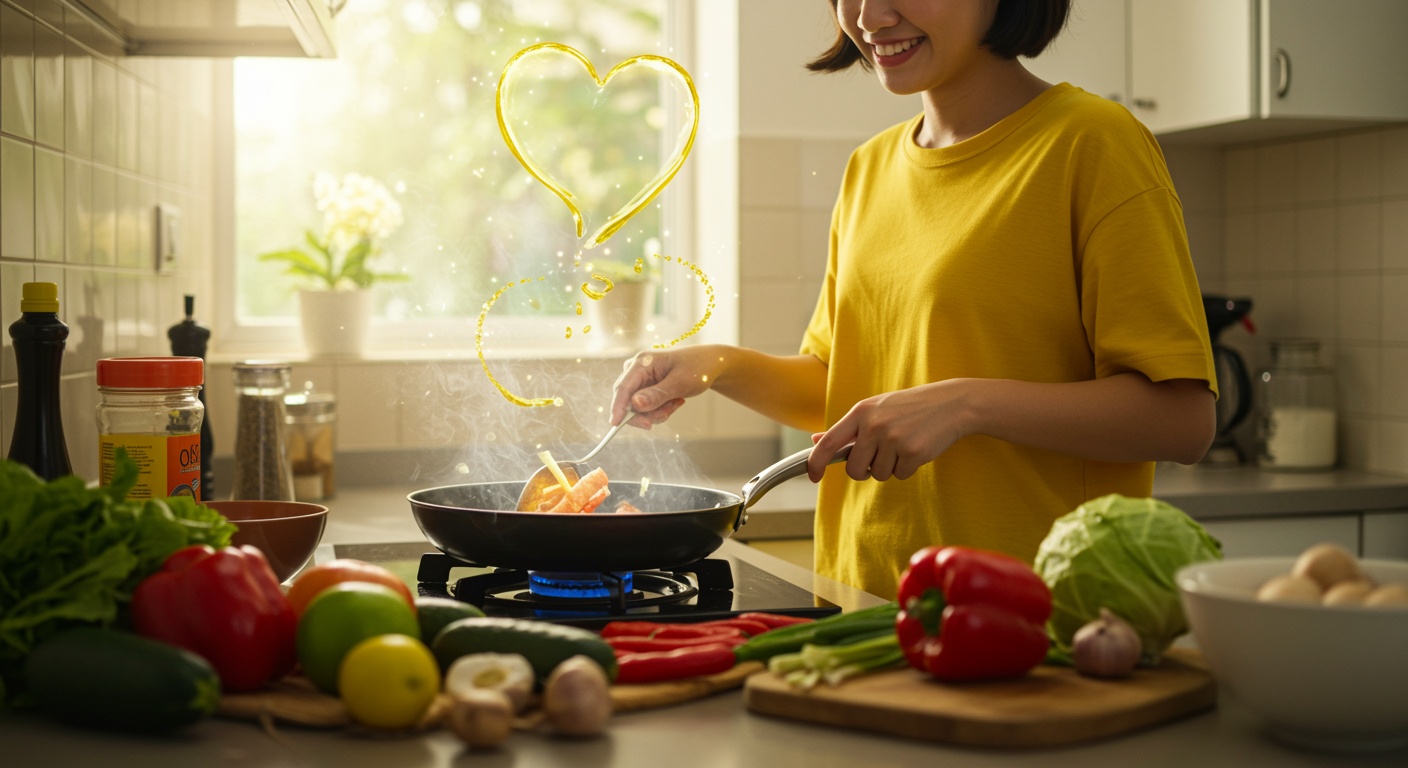
Generally speaking, preparing and cooking your own meals at home is considered the healthiest way to eat. However, to ensure your culinary habits are truly health-conscious, there are several bad practices you must avoid. If you don't steer clear of these mistakes, your home-cooked dishes can end up being just as unhealthy as takeout food, leaving you with nothing to show for your hard work but a messy kitchen. Let's look at what these factors are.
1. The Misconception of Ingredients
It is easy to think, "I'm cooking fresh vegetables and lean chicken today, so my meal is perfectly healthy." However, when you look closer at the details, the reality changes. If you overload your dishes with monosodium glutamate (MSG) and heavy commercial seasoning powders, use low-quality palm oil, or douse everything in heavily processed, store-bought sauces, your path to a healthy lifestyle has been derailed. For a meal to be genuinely healthy, it is vital that all participating ingredients remain as close to their natural state as possible.
- How to fix this: Avoid MSG and commercial seasoning powders as much as you can. Instead, rely on natural aromatics like ginger, garlic, and onions to build flavor. Swap out low-grade oils for heart-healthy alternatives like olive oil or sunflower oil and make a conscious effort to reduce your overall salt intake.
2. Improper Cooking Techniques
Even if your ingredients are completely healthy, things can still go wrong if your cooking methodology is flawed.
- Overcooking Vegetables: Vegetables should only be exposed to heat for a maximum of 10 to 15 minutes. Whenever possible, washing them thoroughly and eating them raw is ideal. While vegetables are packed with essential vitamins and minerals, these nutrients are highly delicate. Prolonged exposure to high heat destroys them, leaving you eating fibers completely stripped of their nutritional value.
- Under- or Over-cooking Meats: When it comes to preparing meat, home cooks usually fall into two traps: overcooking or undercooking. Overcooking typically happens during grilling or roasting, where the outer layers become heavily charred or burnt. Undercooking refers to failing to bring the meat to a safe internal temperature. Charring food creates hazardous, carcinogenic compounds, while undercooked meat fails to kill harmful pathogens, allowing active bacteria straight into your system.
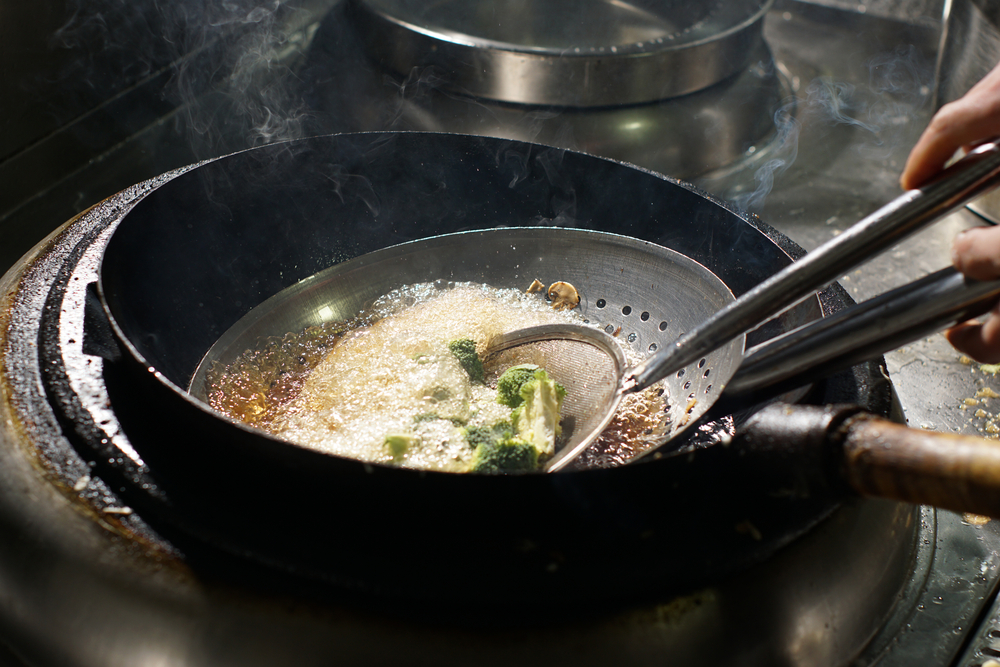
- Reusing Cooking Oil: A major bad habit, and one of the unhealthiest aspects of street food, is reusing leftover oil for deep-frying or stir-frying. If you repeat this practice at home, your dishes will lose all their health benefits.
Healthy Cooking Summary: Thoroughly wash your vegetables and eat them raw when possible. If you must cook them, keep the heat exposure brief. Cook meat completely to a safe level, but do not let them char. Use only the necessary amount of oil for your dish and never reuse leftover oil.
3. Unsafe Food Storage Practices
While some people cook and finish their food in one sitting, many prefer to batch-cook in the morning for the entire day or save leftovers for later meals. In these scenarios, how you store your food is critical. Leaving dishes sitting out on the dining table or kitchen counter at room temperature is a highly dangerous practice, especially in hot and humid climates like Myanmar. Leaving cooked food out for more than 2 hours invites rapid bacterial proliferation, turning a healthy meal into a source of foodborne illness.
- How to fix this: Ideally, prepare only what you can consume in one sitting. If you have leftovers, allow them to cool slightly and store them promptly inside the refrigerator.
By paying close attention to these small details, your home cooking will truly become a healthy choice, making your time and effort in the kitchen completely worthwhile. Since these adjustments are easy to incorporate into your daily routine, keep them in mind the next time you step into the kitchen!


Comments