
Recently, in late April and early May, a specific type of Hantavirus known as the Andes virus re-emerged, becoming a widely discussed topic globally. This article provides a detailed look at the history of Hantavirus, its current status, and its symptoms.
Current Outbreak
In late April, Hantavirus was detected on a cruise ship named MV Hondius, which was traveling from Argentina toward West Africa and Europe. There were approximately 150 passengers and crew members on board. Currently, eight cases of Hantavirus infection have been confirmed, with three reported deaths. Tests have confirmed that this virus is the Andes virus, a variant of Hantavirus capable of human-to-human transmission. Consequently, passengers and crew from the MV Hondius are being kept in isolation, and the WHO is collaborating with the European Centre for Disease Prevention and Control (ECDC) to manage and control the situation.
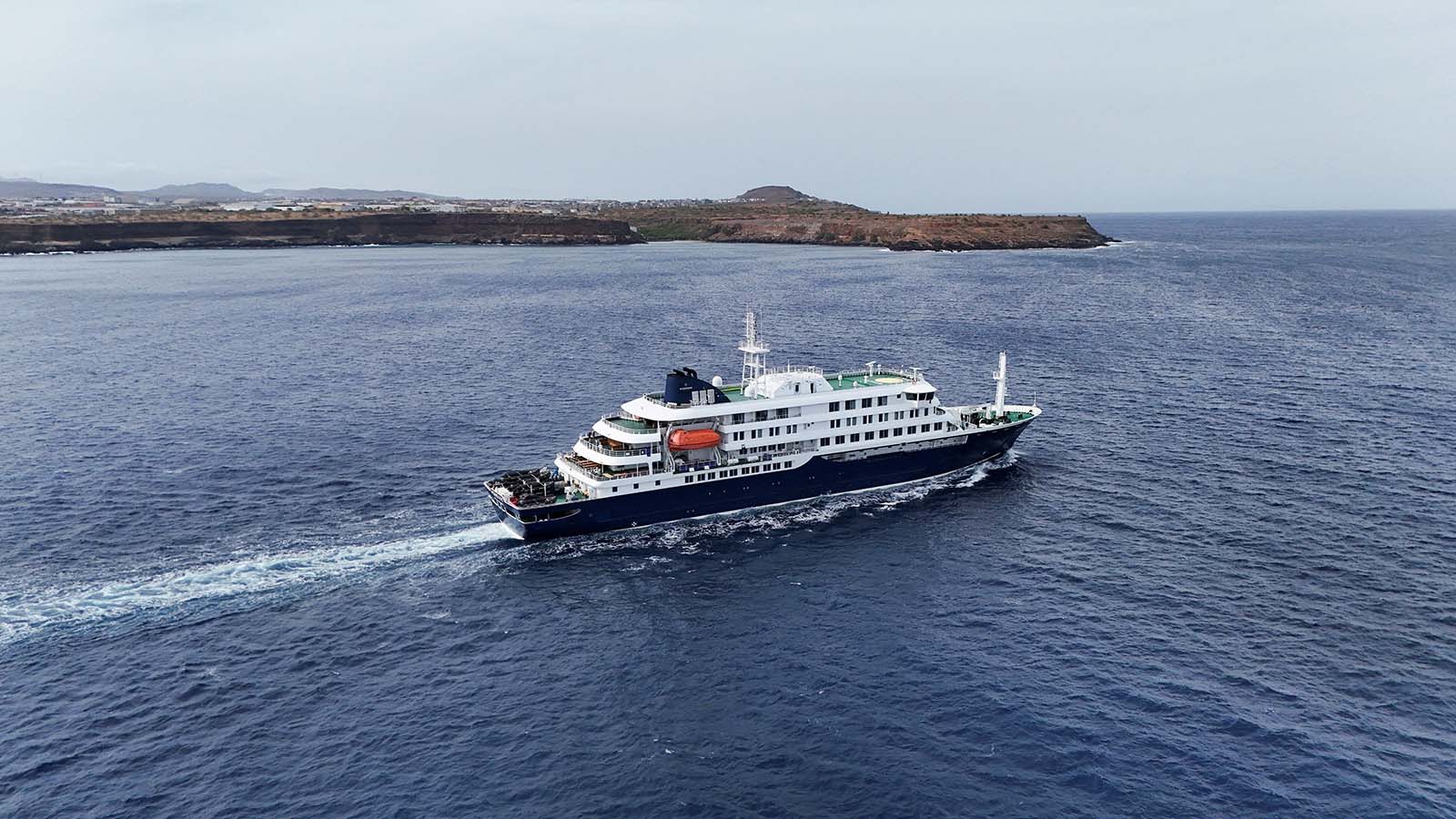
The cruise ship MV Hondius, the site of the initial Hantavirus discovery.
The History of Hantavirus
Hantavirus is not a newly discovered virus. Records show that diseases similar to Hantavirus occurred as far back as the 15th and 16th centuries. During the Korean War (1950–1953), over 3,000 soldiers exhibited similar symptoms. At that time, the virus was prevalent in parts of Asia and Europe, primarily attacking the kidneys and urinary tract.
In 1976, Dr. Ho Wang Lee, a South Korean virus researcher, successfully identified the virus in mice near the Hantan River. The virus was named "Hantavirus" after the river. Until the 1990s, Hantavirus was primarily known for causing kidney damage and was recorded as an “Old World” problem.
After 1993, a new form of Hantavirus was discovered. In 1996, a new strain that attacks the respiratory system was confirmed in Argentina. This strain is the Andes virus; the same variant currently found on the MV Hondius. While the original Hantavirus was transmitted from rodents (like squirrels and mice) to humans, the Andes virus variant evolved the capability for human-to-human transmission.

Transmission and Symptoms
Although the current Andes virus variant can spread between humans, it requires very close and prolonged contact (such as sharing a bed or sharing food/drinks). It is not airborne, and it cannot be transmitted simply by walking past an infected person.
Early symptoms are often flu-like, including fever, dizziness, muscle aches, and abdominal pain. Between 4 to 10 days later, severe coughing and difficulty breathing may develop. The most dangerous complication of the virus is the buildup of fluids in the lungs (pulmonary edema).
Current Status
Health authorities are currently monitoring the remaining passengers on the MV Hondius, as well as those who have returned to 12 different countries. As mentioned, because transmission requires close and prolonged contact, global health organizations like the WHO are confident that this will not become a widespread pandemic like COVID-19. Nevertheless, since there is currently no specific cure for the virus, prevention is vital. The most important actions right now are to monitor yourself and your surroundings for symptoms and to avoid contact with rodents as much as possible.
This article was shared to help you understand Hantavirus and take necessary precautions. May you all remain free from illness and enjoy healthy, happy days.





Comments