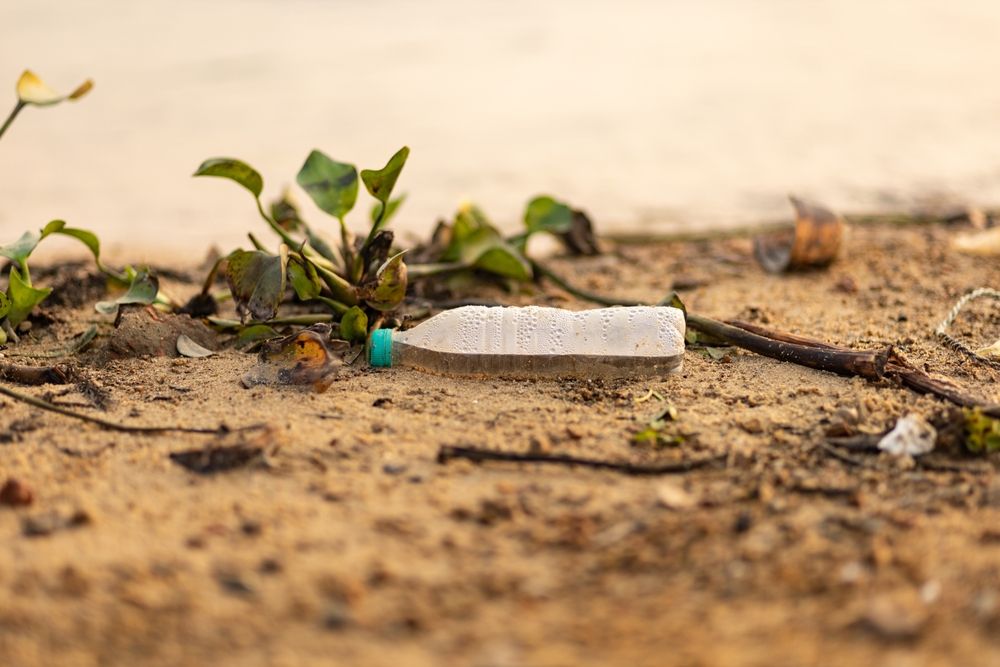
When we think of plastic, we usually picture a material that is difficult to decompose and harmful to the environment. In reality, it doesn't just harm nature; it has now become a silent threat to human health and longevity. In this article, we will explore exactly how it is causing us harm.
As everyone knows, plastics are astonishing materials capable of persisting for hundreds, thousands of years without decomposing or breaking down. Because plastic is not a naturally occurring material but a human invention with an incredibly resilient molecular structure, nothing exists in nature that can naturally break it down. Consequently, just as it refuses to decompose in the soil and oceans, the human body cannot break it down either.
To make matters worse, plastics are no longer just restricted to bags or large items. They are now fragmenting into microscopic particles that contaminate our food, water, and the very air we breathe. These microplastics find their way into the human body through various channels, primarily via contaminated food, plastic utensils, air pollution, and cosmetics. These plastic particles, along with the chemical additives carried within them, cause severe damage to human health. Let's look at how they impact us. 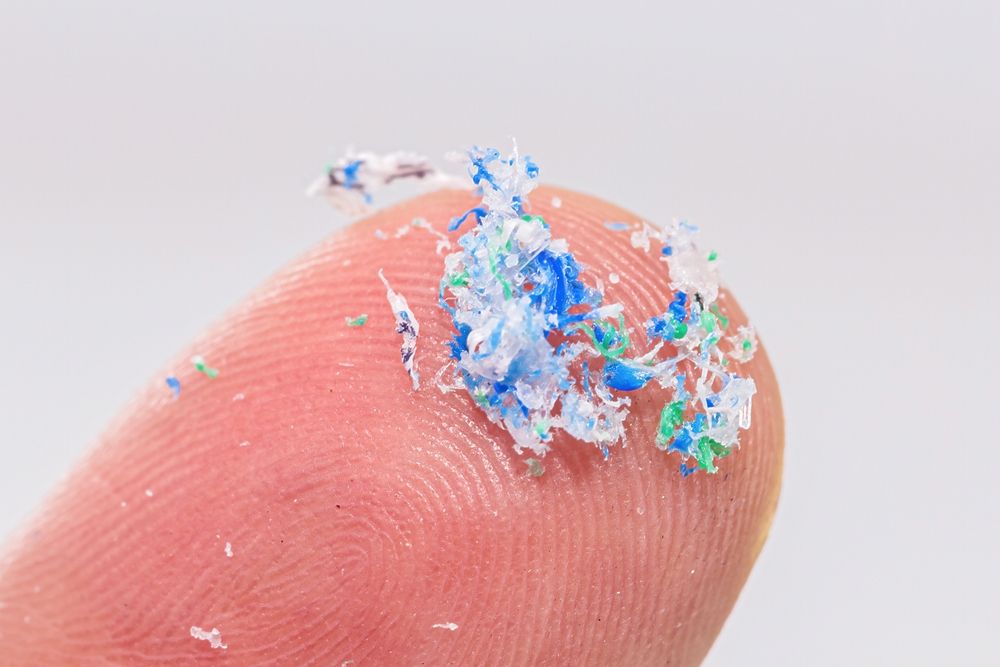 Cellular Penetration
Plastic particles can be unimaginably tiny. Medical studies have revealed that when these microscopic particles enter the body, they can penetrate deep into our cells and cause damage. Research has detected these microplastics in human lung tissues, blood vessels, maternal placentas, and even breast milk. As a consequence, this can trigger internal bodily inflammation and arterial blockages, potentially leading to heart attacks and sudden mortality.
Hormonal Disruption
Plastics invariably contain various chemical compounds. These chemicals can severely disrupt human hormones. When it comes to reproduction, they can block male hormone production, cause infertility, and lead to conditions like uterine fibroids. Furthermore, they can easily trigger obesity, diabetes, and hypertension, even in individuals with no family history of these conditions.
Increased Risk of Cancer
This danger is particularly pronounced in countries like Myanmar, where there is a widespread habit of carrying and consuming hot food in plastic bags and containers. When plastics are exposed to high temperatures, their chemical additives leach out and contaminate the food, resulting in large quantities of these chemicals entering our bodies. These toxic chemicals are a primary culprit behind rising cancer rates.
Disrupting Child Development
As mentioned earlier, microplastics have been found in maternal placentas and breast milk, meaning they can easily be passed from mothers to their babies. From infancy through early childhood, plastics pose a massive threat to a child's development. They particularly impact on the brain and nervous system, potentially leading to developmental delays and neurodevelopmental conditions such as ADHD and Autism.
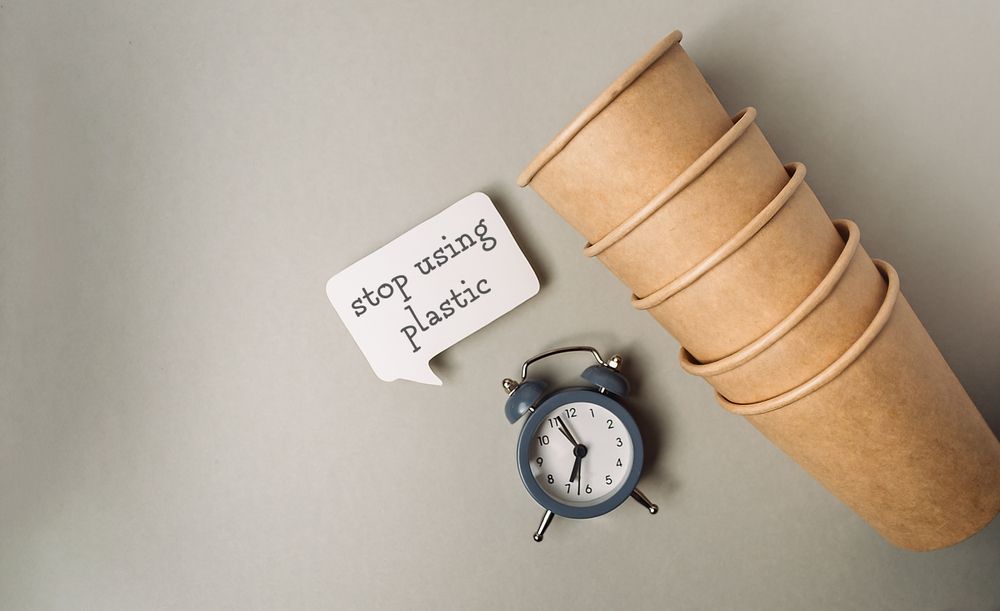
What Adjustments Can We Make?
Reduce Plastics in the Kitchen: The less plastic you use for food-related items, such as plastic cups, spoons, plates, and plastic cutting boards, the better.
Avoid Plastic for Beverages: Reduce your consumption of bottled water and drink directly from purified water systems instead. Most importantly, never drink hot beverages like tea or coffee out of plastic cups.
Clean Up Dust Regularly: The best approach is to clean your living space regularly using a vacuum cleaner. If you must sweep or dust manually, always wear a mask before starting.
Refuse Plastic Bags When Shopping: Bring your own dedicated cloth tote or paper bags for shopping. Major supermarkets like City Mart hold designated "No Plastic Bag" days; try to participate in these initiatives regularly.
If we start making these changes individually and everyone collectively reduces their plastic usage, we can protect both our environment and our own health. Let's stay mindful and act together!





Comments