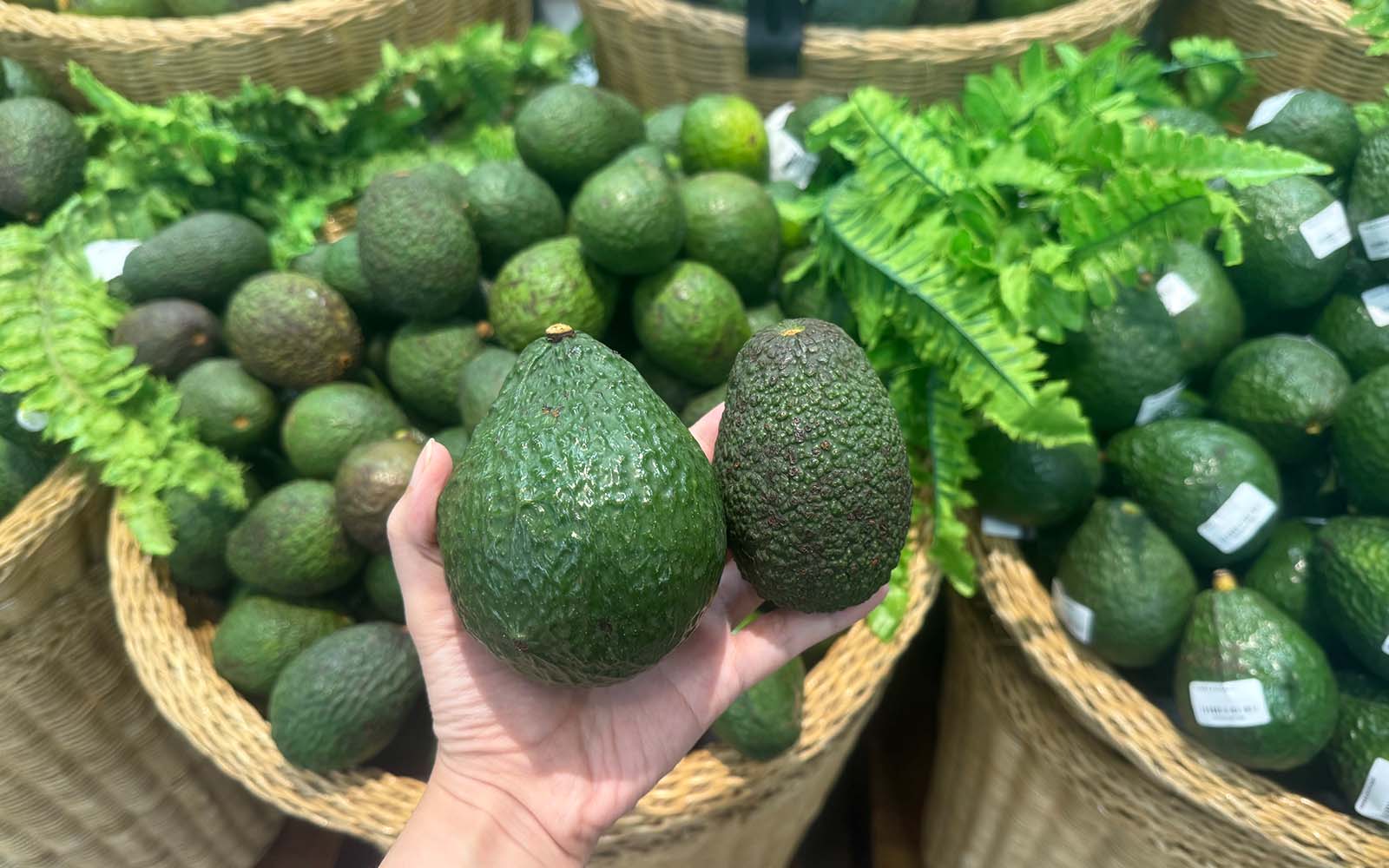
Avocados, which offer numerous benefits for both health and beauty, are now prepared and eaten in various ways today. With their smooth texture, avocados are packed with a wealth of nutrients because they contain fiber, potassium, vitamin K, and monounsaturated fats. However, many people have likely experienced inadvertently choosing avocados that are underripe, overripe, or damaged when buying them. Since avocados are a fruit that can be difficult to select based on appearance alone, and you also need to choose the right variety depending on how you plan to eat them, be sure to read this article to the end to learn how to choose a fresh avocado!
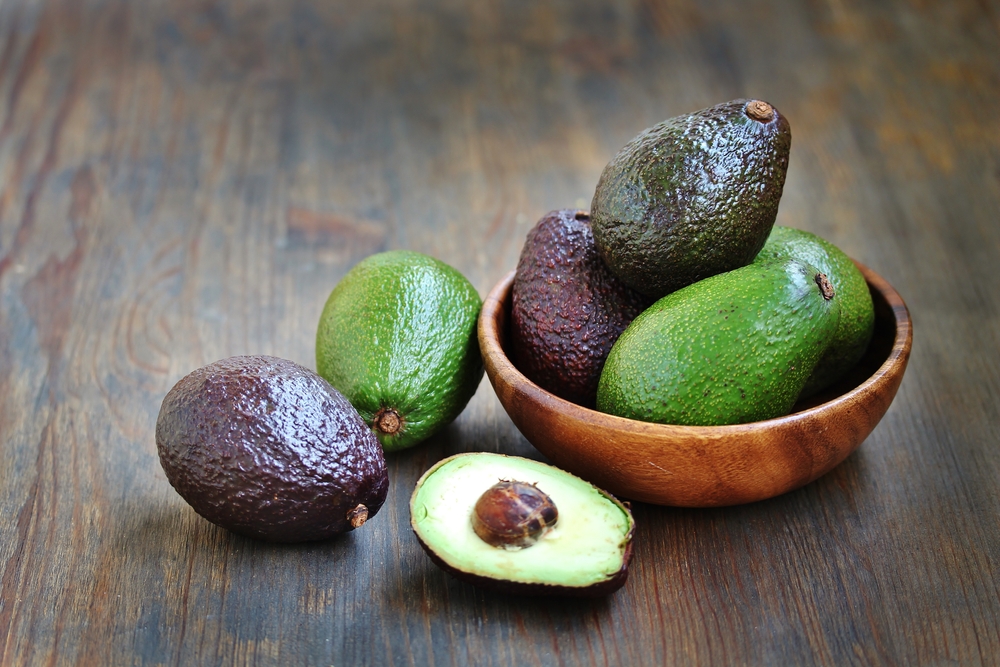
Common Avocado Varieties
The avocado harvest season typically runs from October to January, with tens of thousands of acres cultivated, consumed, and exported in Myanmar. The main varieties produced include Amera, and Hass, Bacon, Fuerte, Lamb Hass, Pinkerton. These varieties can also vary depending on regional classification methods and crossbreeding.
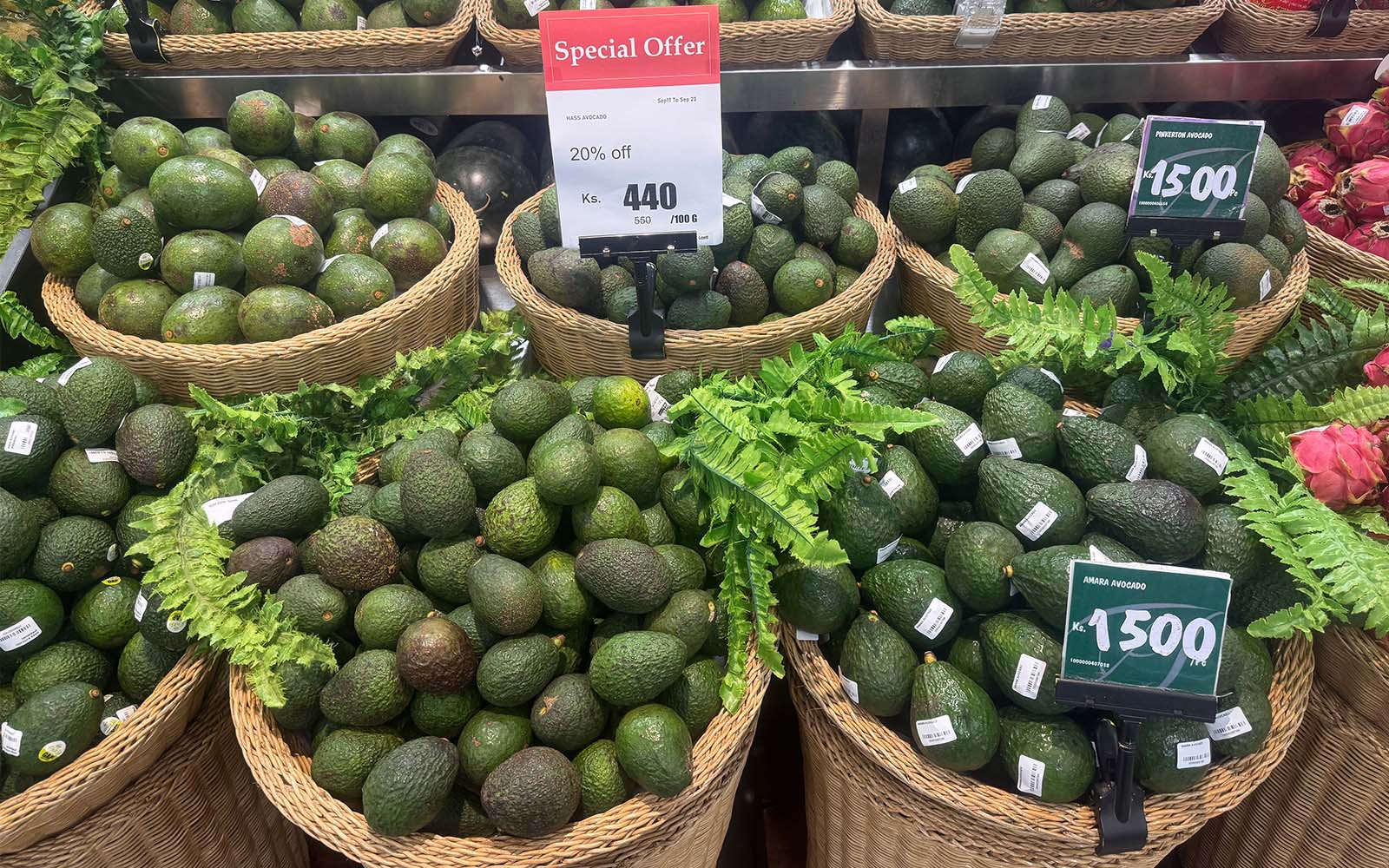
How to Choose Ripe vs. Unripe Avocados
Depending on when you plan to eat them, you can inspect and select avocados as follows:
- If you plan to eat them today: Gently press the fruit with your hand. Choose a fruit that is neither too soft nor too hard.
- If you plan to eat them after a few days: Choose a firm fruit, and then let it ripen at room temperature. Once ripe, you can store it in the refrigerator to prevent it from becoming overly soft.
- Check the weight and skin: When looking at the shape of the fruits, choose ones that feel heavy relative to their size and have unblemished, unbroken skin.
- Avoid bad fruits: Avoid avocados that have internal brown or black spots, mold, a sour smell, leaking juices, or a mushy texture.
To buy clean, dry, and undamaged avocados, shopping at reliable, quality-controlled supermarkets such as City Mart or Ocean is the safest choice.
Therefore, when buying avocados, keep in mind that while varieties like Hass show ripeness when the skin turns darker, other varieties cannot be judged for ripeness by skin color alone. Thus, gently pressing and testing the fruit with your hand remains the most reliable method.

Comments