Recently, due to outbreaks of cholera occurring more frequently on social media and in local neighborhoods, people of all ages need to be aware and cautious. Cholera, which is transmitted through water and food containing the bacterium Vibrio cholerae, easily spreads due to lack of sanitation during the rainy season and flooding. This bacterium causes toxins to be released into the intestinal tract via food, leading to sudden watery diarrhea and vomiting, which rapidly depletes the body of water and electrolytes.
Therefore, as noted in a WHO article, unlike ordinary diarrhea, waterborne diseases transmitted through such contaminated food and water are severe and can even be life-threatening if not properly treated. The causes of this disease, methods of prevention, and fastest treatment options are outlined below.
How cholera differs from ordinary diarrhea
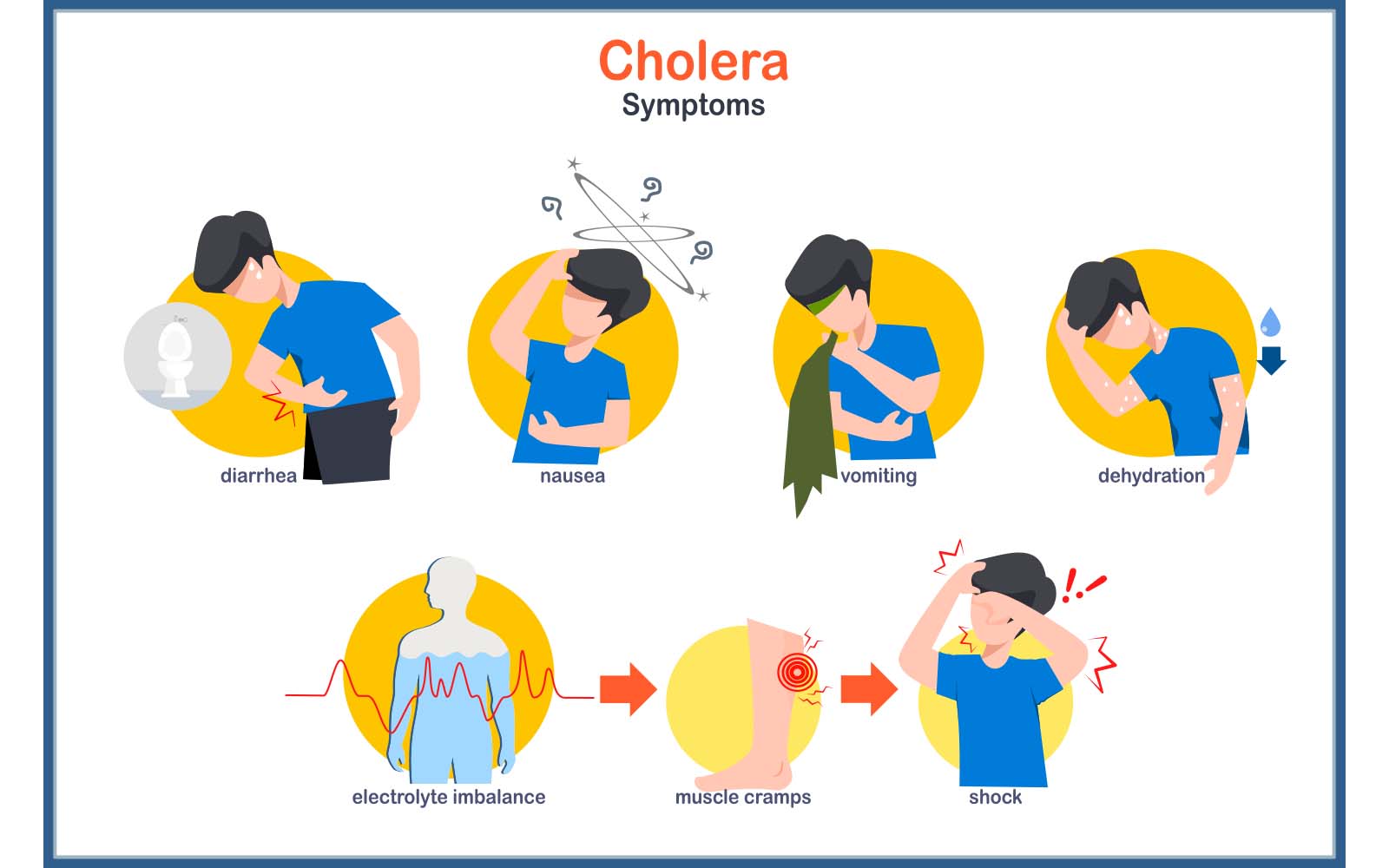
Once someone contracts cholera, a highly contagious and severe disease, they continuously pass pale, whitish-gray stools resembling rice-washing water. Because the bacteria cause a massive loss of fluids from the intestinal tract, it is extremely dangerous. It instantly depletes the body's water content, leading to exhaustion, dropped blood pressure, and even unconsciousness.
Ordinary diarrhea is typically caused by food intolerance or digestive issues, where bowel movements increase gradually and can be eased with proper rest and medication. It usually lasts only a few days and often resolves on its own.
Therefore, because onset speeds and severity differ, understanding the distinction between the two remains important.
Causes of diarrheal diseases
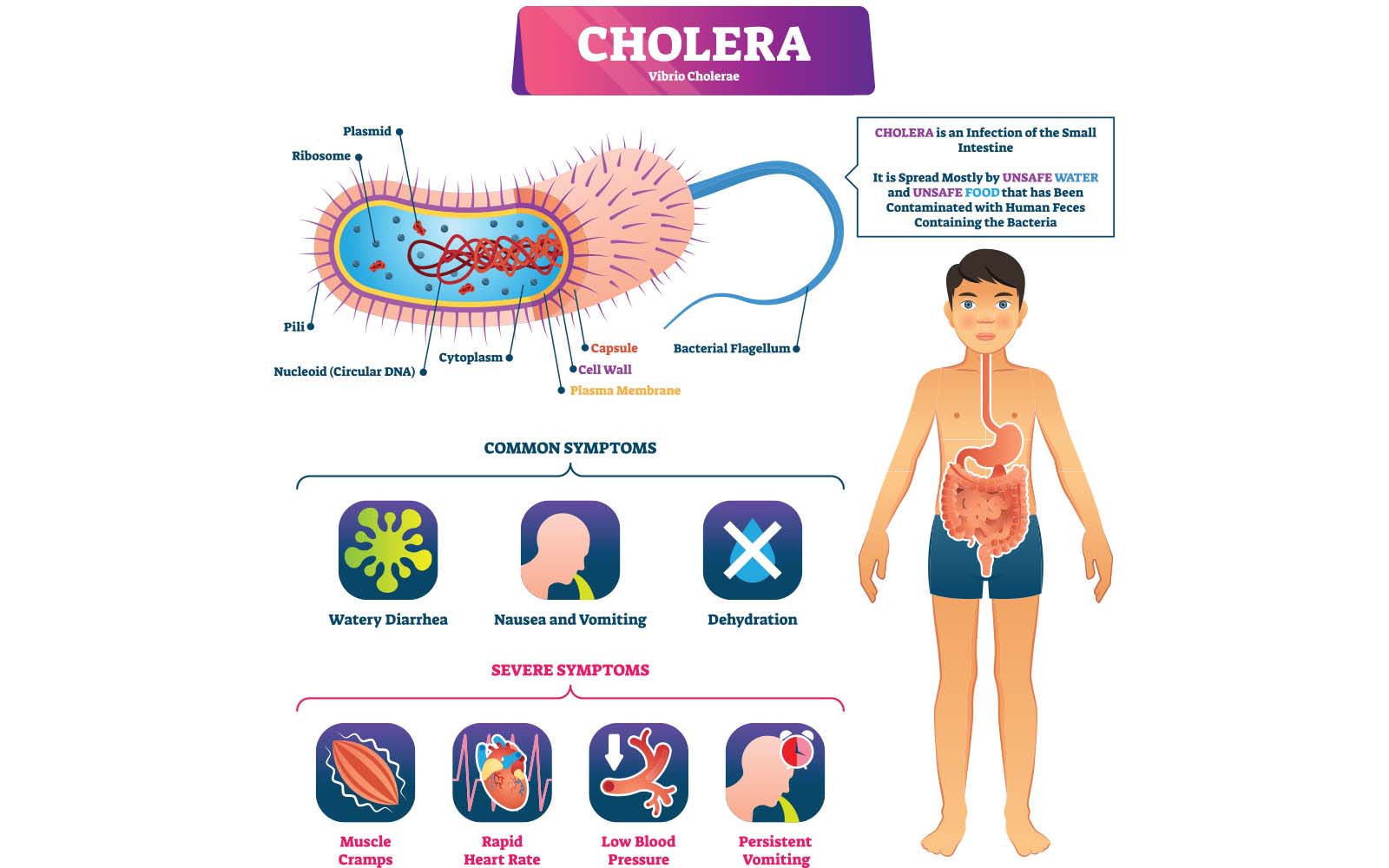
Since cholera is a dangerous disease that tends to become common during the rainy season, and because it has a high potential for reinfection and transmission, knowing its causes is crucial:
Eating street food with poor hygiene: Eating at street vendors where food is undercooked, exposed to flies, or prepared with unclean water introduces bacterial pathogens into the body.
Transmission from infected individuals: Waste products from an infected person can contaminate water sources, drainage, and ponds. Drinking or using this contaminated water easily spreads the infection.
Flooding: As flooding becomes common during the rainy season, water pipes, wells, garbage, and sewage lines can mix together, making flooding one of the main reasons cholera easily spreads across townships.
How to prevent cholera as much as possible
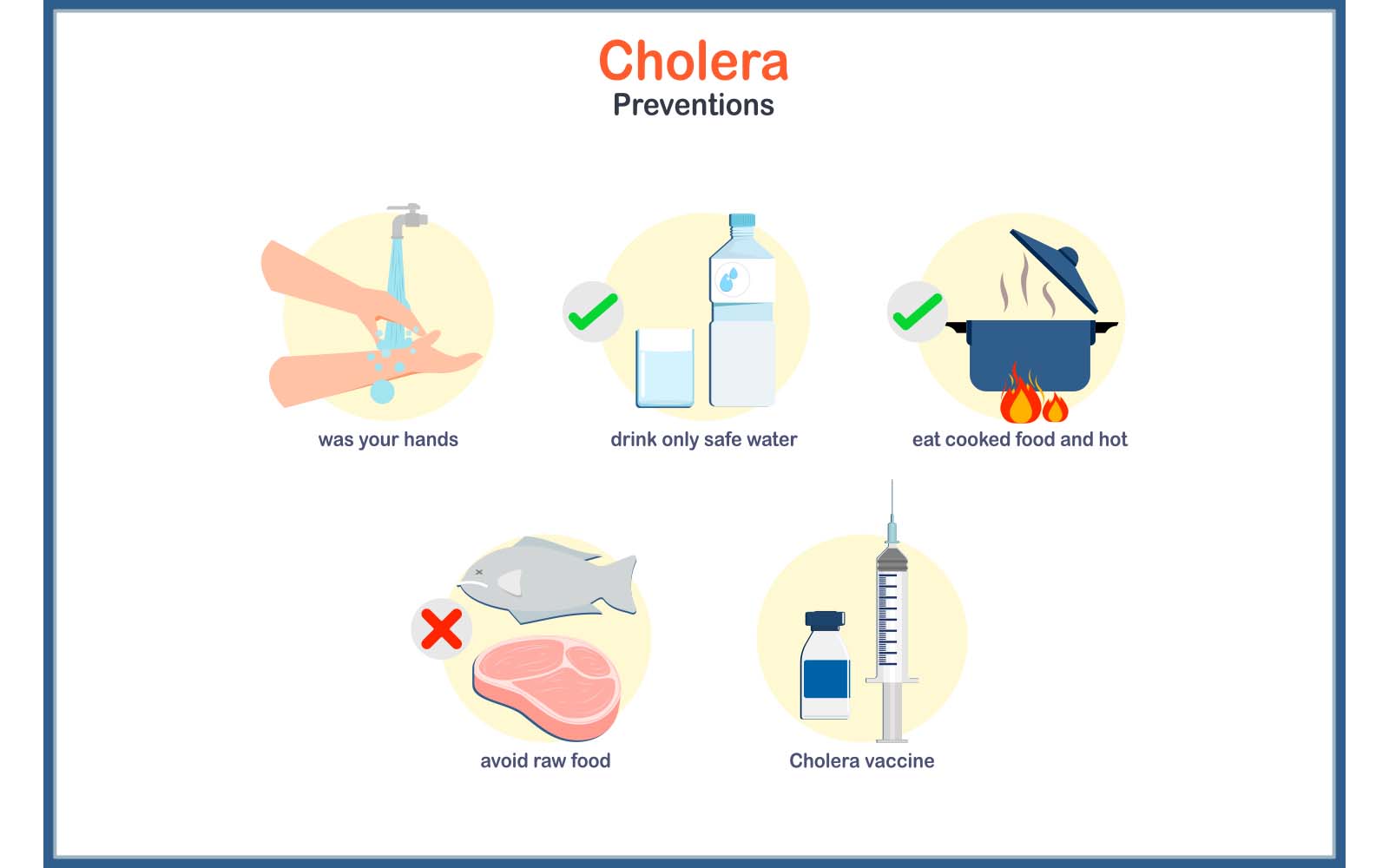
During such times, adopting a healthy lifestyle and paying close attention to personal and environmental hygiene is important:
Pay special attention to hygiene: Drink purified or boiled water, wash hands frequently with soap, practice good personal hygiene, and ensure food is thoroughly cooked before eating to prevent infection.
Drink oral rehydration solution (ORS): As soon as diarrhea starts, frequently drinking ORS mixed in clean water helps prevent severe dehydration as much as possible.
Go to a hospital or clinic immediately: Because cholera can be life-threatening, patients should be rushed to the nearest hospital or clinic to receive necessary care from a professional doctor.
Treat with antibiotics: Following a doctor's instructions to take antibiotics can quickly alleviate the disease and eliminate the bacteria.
Knowing and following the health knowledge and preventive measures outlined above helps keep individuals safe from cholera while it remains prevalent.




Comments