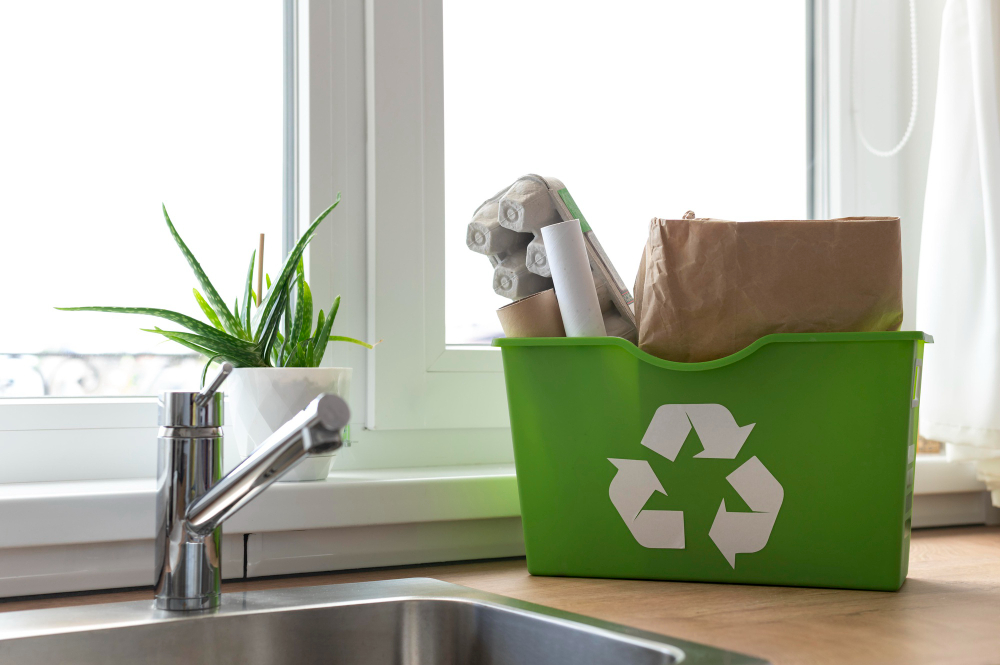
Many people live together in apartment buildings, so a large amount of waste is produced every day. This waste includes food scraps, plastic bags, paper, bottles, cans, and other household rubbish. Proper waste management helps prevent bad smells, insects, diseases, and environmental pollution. Everyone living in an apartment should take responsibility for keeping the building clean and safe.
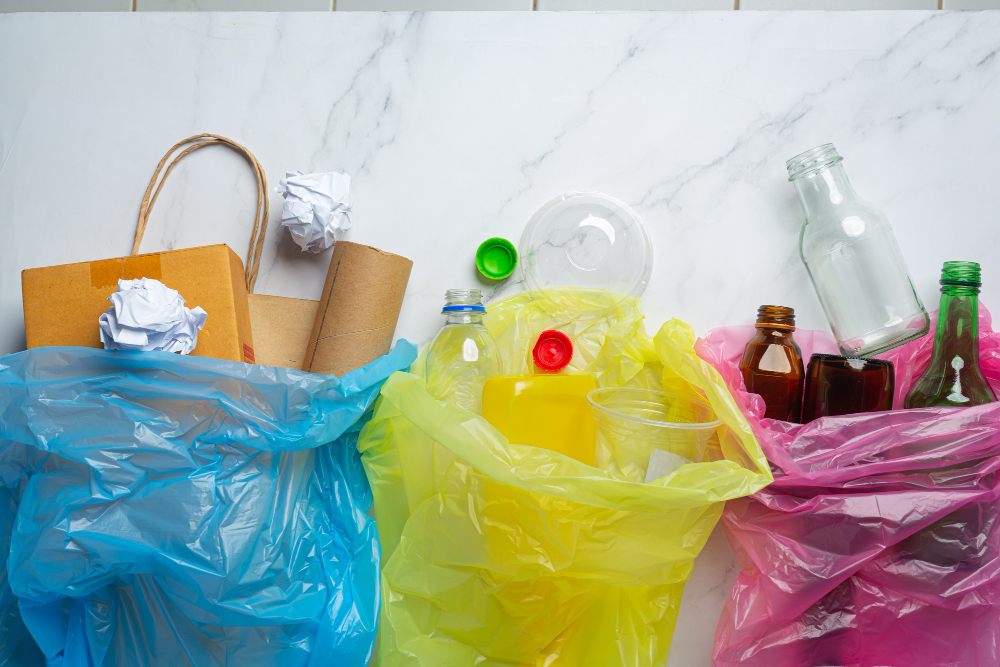
Types of Waste in Apartments
There are different types of waste produced in apartments:
- Organic Waste: Food leftovers, fruit peels, vegetable scraps, and other biodegradable materials.
- Recyclable Waste: Paper, cardboard, plastic bottles, glass bottles, and metal cans.
- General Waste: Used tissues, dirty packaging, and other materials that cannot be recycled easily.
- Hazardous Waste: Batteries, chemicals, expired medicines, and electronic waste.
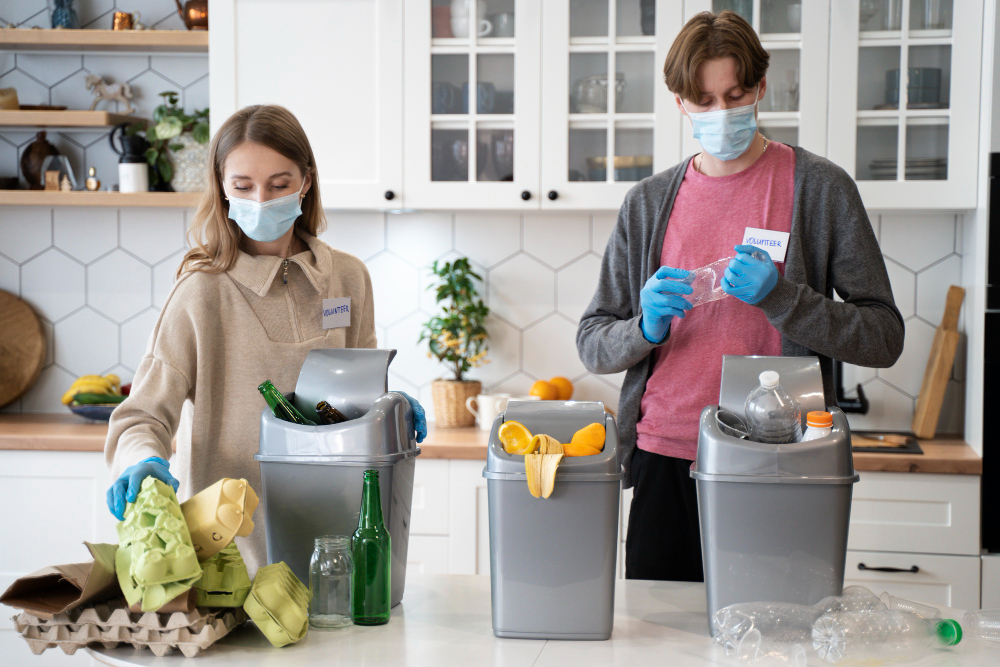
Ways to Manage Waste in Apartments
There are several simple ways to manage waste properly in apartment buildings.
1. Separate Waste
Residents should separate waste into different categories, such as organic, recyclable, general, and hazardous waste. Using separate bins makes waste collection easier and safer.
2. Use Proper Dustbins
Apartment buildings should provide enough dustbins in convenient locations. All residents should put their rubbish into the correct bins instead of leaving it in hallways, staircases, or outside their rooms.
3. Reduce Plastic Use
People should try to use reusable shopping bags, water bottles, and food containers. Reducing plastic waste helps protect the environment.
4. Dispose of Food Waste Properly
Food waste should be placed in covered bins to prevent bad smells, flies, and insects. If possible, food scraps can be used for composting.
5. Arrange Regular Waste Collection
Apartment management should arrange regular rubbish collection to prevent waste from piling up. The garbage storage area should also be cleaned regularly.
Benefits of Proper Waste Management
Proper waste management provides many benefits:
- Clean Environment: Keeps apartments and shared spaces neat and tidy.
- Better Health: Reduces germs, insects, rats, and diseases.
- Less Pollution: Helps protect air, water, and soil.
- Less Bad Smell: Prevents rubbish from building up.
- Saving Resources: Recycling reduces the need for new materials.
- Better Living Conditions: Creates a comfortable and pleasant place for everyone.
Conclusion
Waste management for apartments is everyone's responsibility. Residents and apartment management should work together to reduce, separate, recycle, and properly dispose of waste. Simple actions, such as using dustbins correctly, reducing plastic, and keeping shared areas clean, can make a big difference. A clean apartment is not only beautiful but also healthy and safe.
If everyone works together, we can create a cleaner, greener, and better living environment for all.


Comments