
Raising a child involves much more than just providing a home, wholesome meals, and quality education; in today's rapidly changing world, it is also important to gradually teach them essential concepts about society. Among these vital topics, parents should introduce children to core values in a way that is easy for them to understand. This foundational learning includes self-worth for personal reflection, financial values regarding how to handle money, and emotional values for interacting with others. Teaching these concepts early in childhood establishes solid core values for their future, so let's read on to see how you can guide them.

The Importance of Values in Development
As children begin to understand the concept of values, they will naturally make better decisions and improve their thinking patterns:
Building Morals: Understanding personal values like honesty, kindness, and responsibility helps children stand upright and fairly in society.
Valuing Money: Learning the importance of money, one of life's most crucial resources, from an early age eliminates the habit of demanding things impulsively and builds good saving habits.
Boosting Emotional Intelligence: This helps children become aware of their own emotions while developing empathy to understand the feelings of others.
Improving Social Skills: As emotional intelligence grows, they learn to respect others, making it easier to form friendships and build lasting relationships.
3 Essential Types of Values to Teach
Among the core values to impart to your children:
Moral Values: Teach them the importance of honesty, responsibility, and keeping promises by example, and guide them to admit mistakes and apologize when they go wrong.
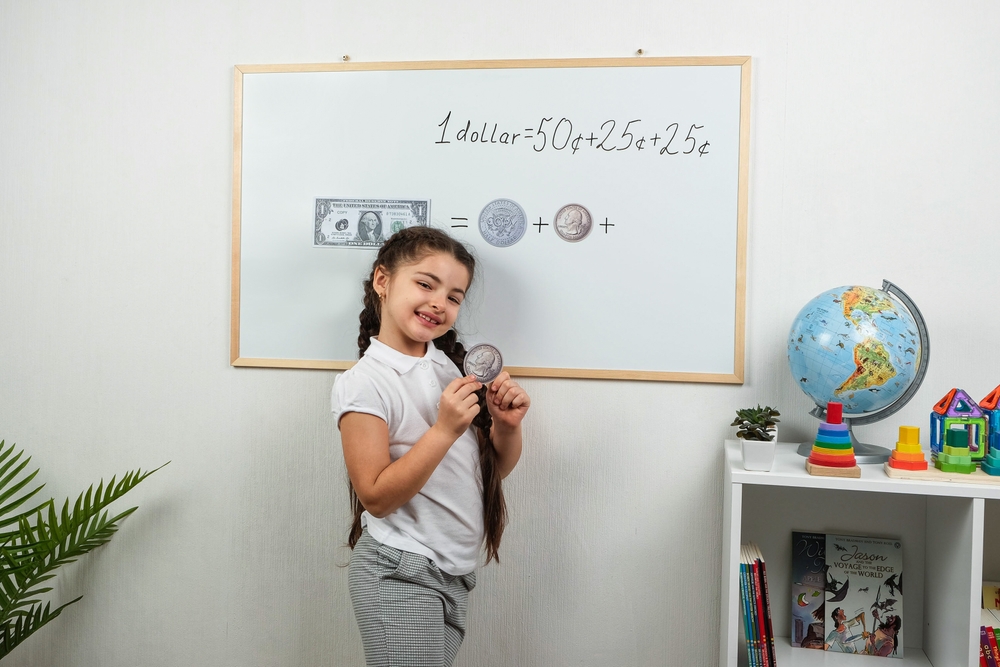
Financial Values: Help them understand that material things do not come easily and are earned through hard work. Teach them how to save allowance money and distinguish between needs and wants when spending.
Emotional Values: Instill a sense of self-worth and goodwill toward others by practicing these emotional values openly within the family first.

How to Start Teaching Values in Daily Life
Because practical, hands-on teaching is the best way for children to grasp values, you can use these methods:
Be a Role Model: Since parents are a child's closest influence, children observe actions much more than words. Therefore, parents should lead by example and live out these values authentically.
Seize Everyday Moments: Using everyday situations as examples to discuss values makes the concepts visible and easier for children to understand.
Praise Effort: Rather than focusing solely on results, acknowledge and praise their hard work and positive behavior.
We hope this article helps you instill fair and balanced values in your beloved children, setting them up to grow into confident, good-hearted individuals with a bright future!


Comments