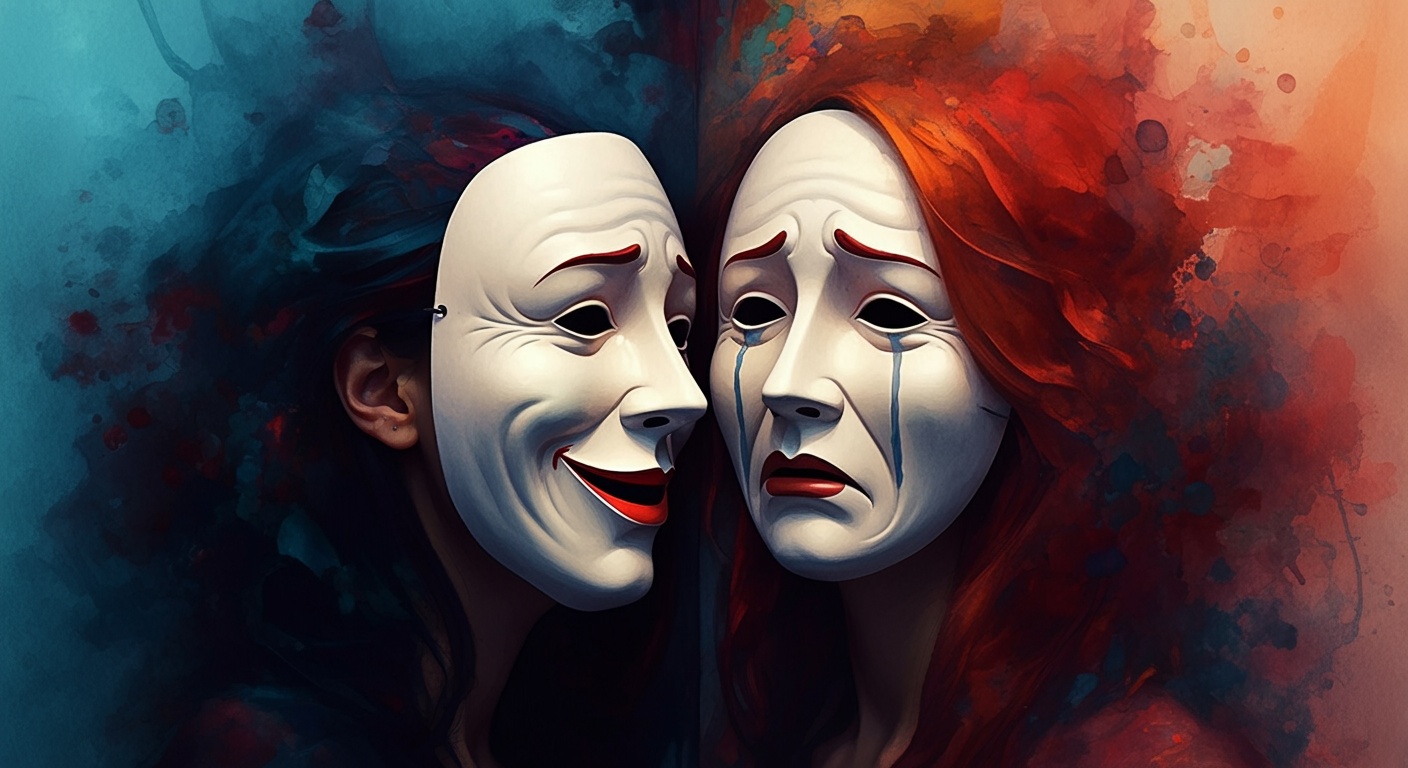
People often ask those who experience rapid mood swings or indecisiveness if they are "being bipolar," but the reality of Bipolar Disorder is far more complex than that. Although commonly referred to as a split-mood illness, it is not just about ordinary moodiness or simple emotional fluctuations. This article will explain what Bipolar Disorder actually is, along with its symptoms and available treatment options.
What is Bipolar Disorder?
Formerly known as manic-depression, the condition is now formally referred to as Bipolar Disorder. Broadly speaking, it is a mental health condition where a person experiences sudden and extreme shifts in mood, energy levels, and the ability to carry out day-to-day tasks. As mentioned earlier, ordinary mood swings are common to everyone and cannot be classified as Bipolar. The emotional shifts seen in Bipolar Disorder are noticeably severe, heavily impacting sleep patterns, daily routines, and behaviors.
Two Primary Mood Episodes
The emotional states experienced in Bipolar Disorder can be categorized into two main phases:
1. Extreme Highs: Mania and Hypomania
During a manic episode, a person's mood becomes intensely elevated and energetic, often making them feel as though they barely need any sleep. They may become highly talkative, with thoughts racing uncontrollably through their mind. Behaviorally, they might make impulsive, rapid decisions without considering the consequences (such as engaging in reckless spending sprees). In severe cases, they may lose touch with reality and experience psychosis.
Hypomania is a less severe form of mania; while the individual remains highly energetic and exceptionally productive, the symptoms do not reach the disruptive extremes of full mania.
2. Extreme Lows: Depression
During the depressive phase of Bipolar Disorder, an individual is overwhelmed by intense sadness, feelings of worthlessness, or profound guilt. They may experience severe insomnia or conversely, sleep all day, accompanied by a complete inability to focus on anything.
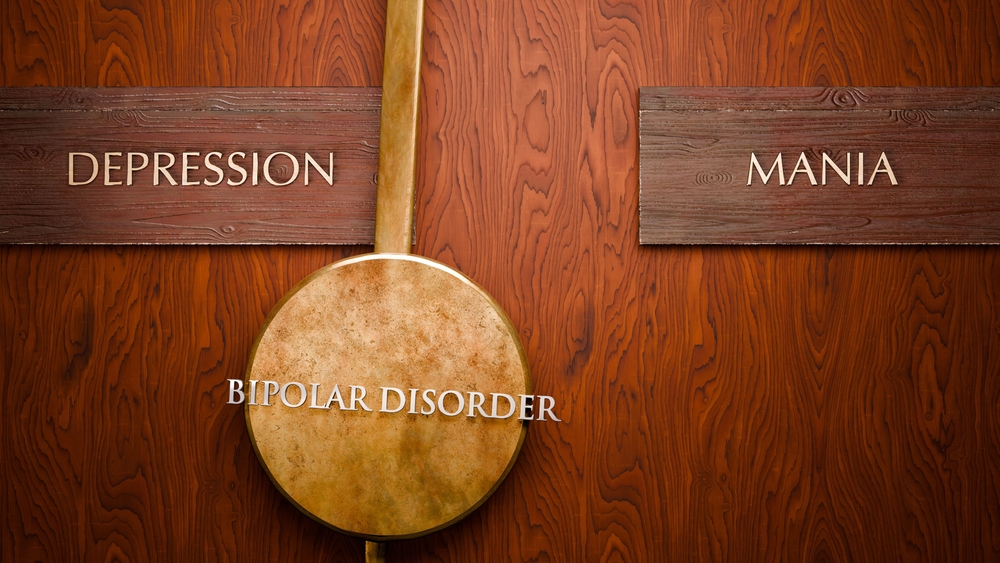
Types of Bipolar Disorder
Bipolar Disorder is primarily classified into three types based on the patterns and severity of the symptoms:
- Bipolar I Disorder: This type is characterized by intense manic episodes that can last for weeks or even months. While some individuals may eventually swing into a depressive episode, the predominant pattern involves long stretches of shifting between a normal state and extreme mania.
- Bipolar II Disorder: The reverse of Bipolar I, this condition involves enduring major depressive episodes that last for days or months. However, individuals with Bipolar II do not experience full-blown manic episodes, experiencing hypomania instead.
- Cyclothymic Disorder (Cyclothymia): This pattern involves alternating periods of hypomanic symptoms and depressive symptoms spanning at least 2 years. While the highs and lows alternate constantly, they do not reach the severe diagnostic thresholds of full mania or major depression.
How is Bipolar Disorder Treated?
Bipolar Disorder is a long-term condition that requires ongoing management. Therefore, consistent treatment is essential. The most important step is seeking guidance from qualified psychiatrists and mental health professionals. When necessary, doctors will prescribe mood stabilizers, antipsychotics, or other targeted medications.
Regular psychotherapy sessions with mental health professionals are also a core part of treatment. In addition to clinical care, individuals can manage the condition by establishing structured daily routines for sleeping and eating, engaging in regular physical exercise, and practicing mindfulness or meditation.
We hope this article provides you with a deeper insight into Bipolar Disorder. It is vital to prioritize your own psychological well-being while utilizing this knowledge to mindfully understand and support the mental health of those around you.





Comments