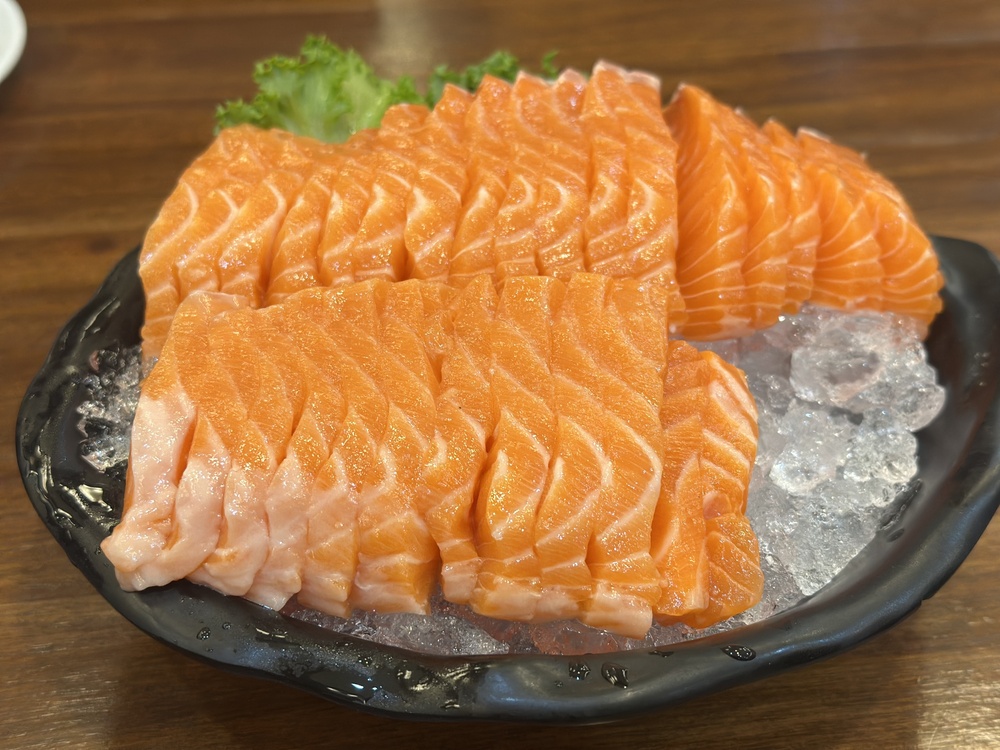
When it comes to seafood loved by everyone for its tender, fresh flavor, salmon is an absolute must-mention. Frequently ordered whenever people enjoy sushi or sashimi, salmon pairs wonderfully with a wide variety of dishes, both raw and cooked. However, because some people worry about potential risks associated with eating raw fish, they often stick to cooking it thoroughly. For all you salmon lovers out there, here is a guide on how to enjoy raw salmon healthily, whether at a restaurant or at home, along with the natural reasons why salmon can be eaten raw.
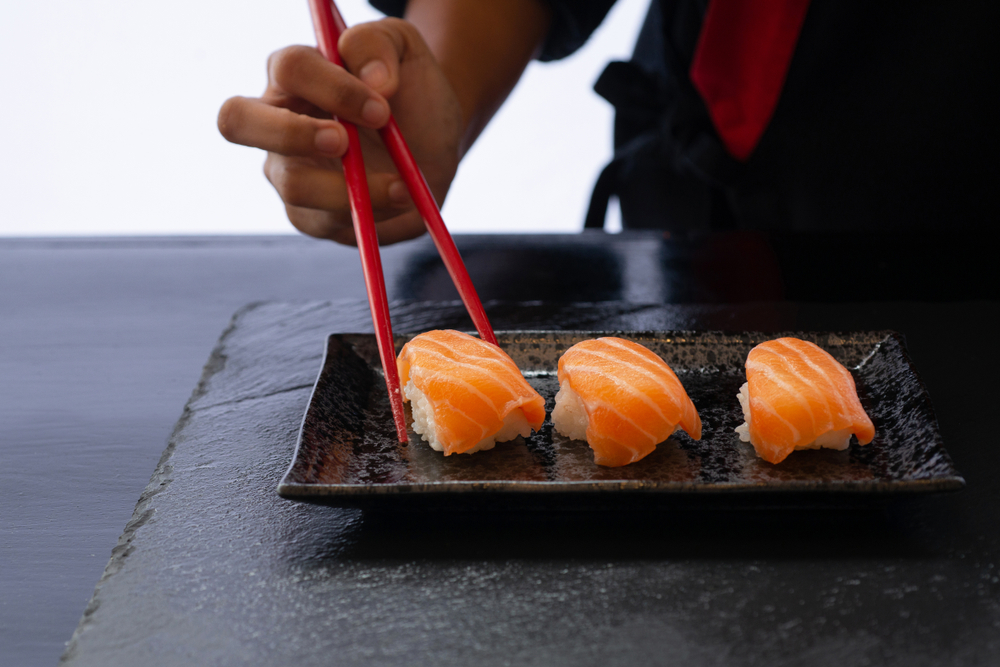
Salmon That Can Be Eaten Raw
Unlike chicken or pork, salmon being a saltwater fish, differs in body temperature, biological processes, and bacterial growth patterns.
Safe Farmed Salmon: Most salmon served in today’s restaurants is farm-raised (Farmed Salmon). They are fed controlled diets free of worms and parasites, making them safe for raw consumption.
Parasite Destruction via Freezing: While wild-caught salmon can carry parasites, freezing the fish at ultra-low temperatures (-20°C for about 7 days) in processing facilities effectively kills these organisms.
Slower Bacterial Growth: Because salmon live in cold ocean waters, bacterial growth remains extremely slow even under standard refrigeration temperatures.

Understanding Bacteria and Parasites
As mentioned earlier, not all raw salmon is automatically safe simply by being frozen. Fish becomes safe only when it is properly handled and frozen adequately to eliminate parasites. Wild salmon caught in nature can carry Anisakis roundworm larvae. If consumed, these larvae can cause anisakiasis within hours, leading to symptoms such as abdominal pain, nausea, vomiting, and diarrhea.
That is why restaurants and salmon importers utilize specialized freezing methods for parasite destruction before serving dishes like sashimi or sushi. According to FDA Food Code guidelines, fish intended for raw consumption must be frozen using one of the following methods:
- Standard freezer, −20°C (−4°F) or below for 7 days
- Blast freezer, −35°C (−31°F) until solid, then 15 hours at −35°C
- Combination, −35°C until solid, then 24 hours at −20°C.
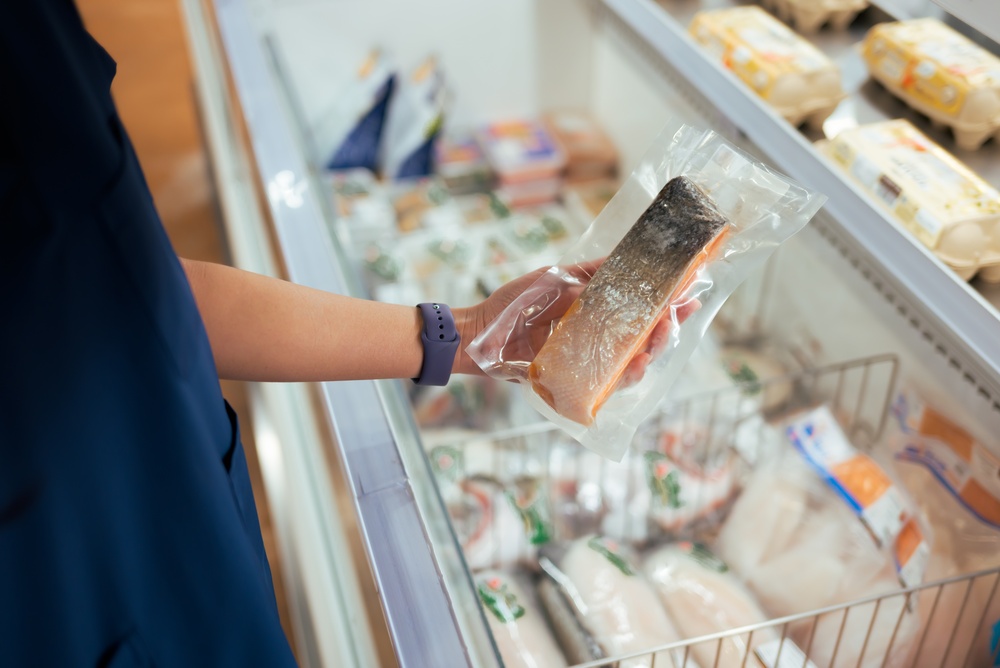
Proper Selection and Preparation Guidelines
Whether enjoying salmon at a restaurant or preparing it at home, selecting high-quality fish and handling it correctly are essential.
- Choose the Right Grade: At the supermarket, select only salmon explicitly labeled as "Sushi-Grade" or "Sashimi-Grade."
- Thaw Safely: Never thaw frozen salmon by leaving it on the counter at room temperature or using hot water. Instead, place it in the refrigerator compartment to thaw slowly and safely.
- Maintain Hygiene: Thoroughly wash your hands, cutting board, and knives before slicing the fish. Keep raw salmon separate from other ingredients, such as vegetables, to prevent cross-contamination.
- Slice Correctly: Use a sharp knife to slice perpendicular to the white fat lines of the salmon to yield tender, clean cuts.
- Serve Fresh: Do not leave sliced raw salmon at room temperature for extended periods. Arrange it on a clean plate, squeeze a little fresh lemon juice over it if desired, and enjoy right away!
Therefore, these insights and practical tips help you safely prepare and enjoy tender, fresh, and highly nutritious salmon!




Comments