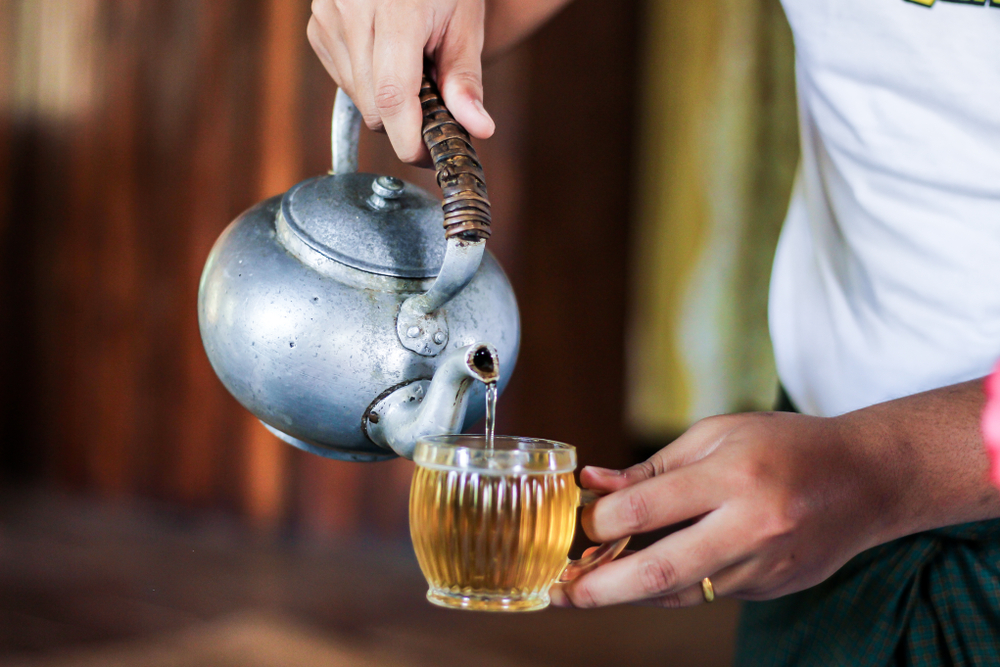
During the summer, most people tend to drink ice water or cold sodas because they cannot bear the heat. In reality, from a health perspective, this is a bad habit. Warm water (or tea) is actually more suitable for your health in the summer than cold water. At first glance, this might seem like a mismatch. If you want to know why it's so beneficial and what the advantages are, read this article to the end!
Hot Summer, Warm Tea
Usually, people drink more tea during cold seasons like winter, don't they? It's to combat the chill and keep the body warm. In the summer, when the weather is scorching and the body is already hot, many think that warm tea is entirely inappropriate. However, that isn't the case.
When you are very hot and drink ice-cold water or a chilled soda from the fridge, your body does feel cool for a brief moment. But when you suddenly expose a very hot body to a contrasting cold temperature, the internal temperature shift is too rapid. This can lead to health issues like sore throats or headaches. Furthermore, because this is a sudden external cooling, it can trap heat inside the body and cause "hidden fevers" (heat exhaustion).
Tea works differently. The human body already has a built-in system to regulate temperature and cool itself down automatically: sweating. When you drink warm tea, it doesn't try to shock the body's heat; instead, it works with the body to regulate temperature through the sweating process. Therefore, it doesn't cause the health problems associated with ice water. Additionally, unlike sodas, tea is sugar-free, hydrates the body effectively, and offers various other health benefits depending on the type of tea.
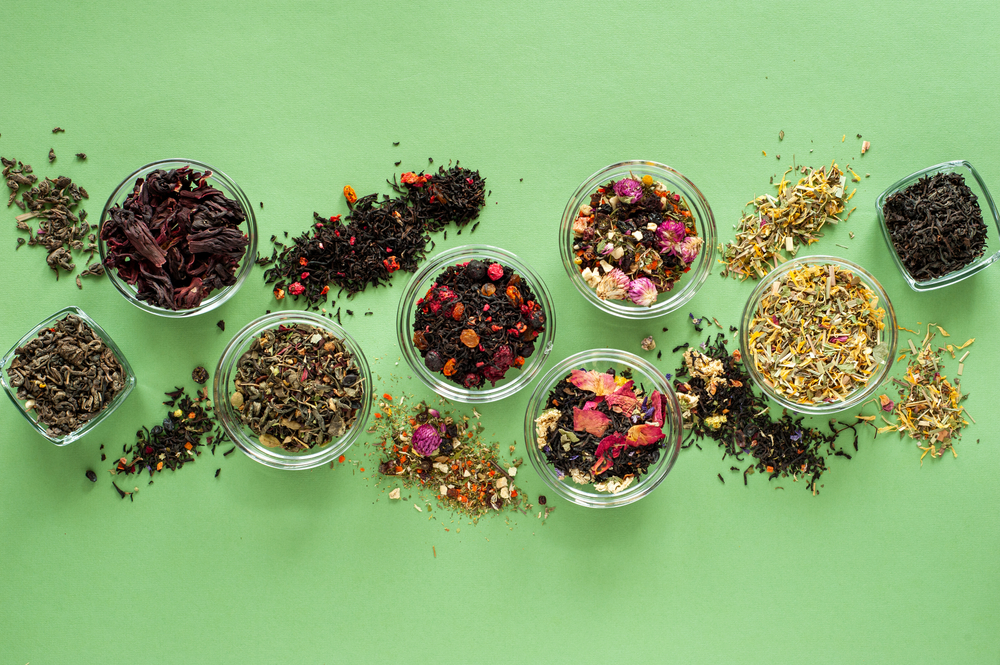
Types of Tea and Their Health Benefits
1. Traditional Myanmar Green Tea (Ye-Nway-Gyan)
The tradition of drinking green tea, primarily made from dried tea leaves, after meals or during afternoon snack times is an incredibly healthy habit. Especially in the summer, besides the benefits mentioned above, drinking it after meals helps smooth the digestive process. This indirectly helps reduce the rise in body temperature during summer. Moreover, it helps cells build resistance against sun damage.
2. Green Tea (International Varieties)
In fact, international Green Tea is very similar to Myanmar’s traditional tea. The main difference is that Myanmar tea uses fully dried leaves (black/green tea), while Chinese or Japanese Green Teas maintain a "fresher," greener characteristic. The health benefits are largely similar. However, international Green Teas often have a slightly higher caffeine content, making them more effective for energy and focus.
3. Herbal Teas
Herbal teas vary depending on their ingredients. Unlike standard tea, herbal teas utilize various parts of medicinal plants. For example, Ginger tea (root), Roselle tea (bud), or Jasmine tea (flower) are made by drying these parts to be steeped. Depending on the plant part used, you can gain a wide variety of specific health benefits for the body.
I hope you now understand the compatibility between summer and tea from a health perspective. Since there are so many benefits, I encourage you to try making tea-drinking a daily habit!





Comments