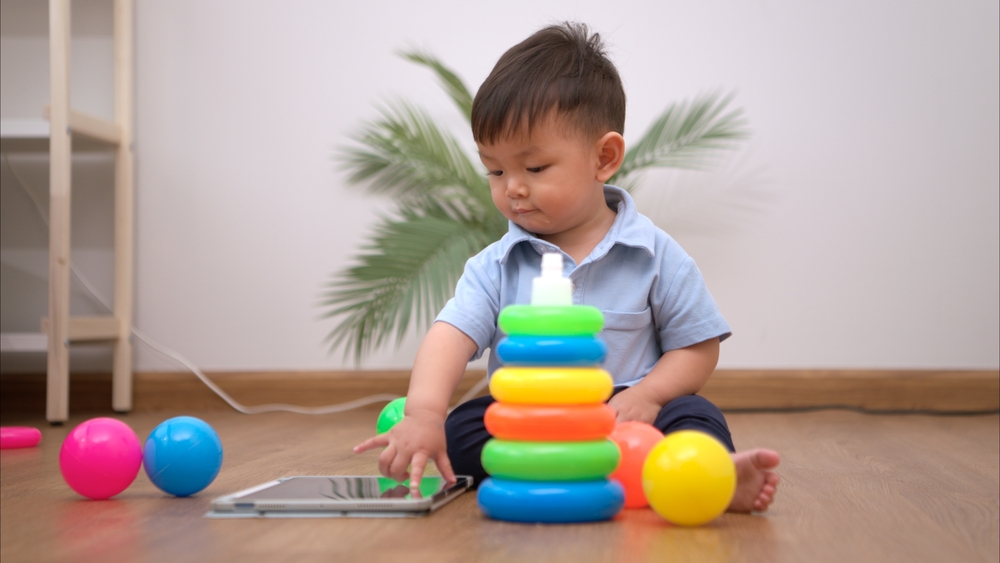
While it is completely natural for today’s children to grow up surrounded by smartphones and tablets, the developmental benefits they gain from playing with physical toys remain irreplaceable. In this article, we will explore practical ways to strike a healthy balance between digital entertainment and hands-on play in your child's daily routine. The nostalgic sight of a young child happily pretending to cook with miniature kitchen sets, has become increasingly rare. Today, children's attention is overwhelmingly captured by animated games and YouTube videos glowing on smartphone screens.
Of course, technology is an unavoidable and essential part of modern life. Yet, tactile play with real-world toys continues to play an irreplaceable role in fostering brain development, physical coordination, and emotional maturity. So, how can parents thoughtfully divide time and space to create a healthy equilibrium between the two? Here are three practical strategies to help you guide the balance.

How to Balance Digital and Physical Toys in Your Child’s Routine
1. Set clear boundaries by time and activity. It is important not to let digital devices and physical toys blur together without structure. Set a clear daily limit of 30 minutes to 1 hour for watching YouTube videos or playing digital games. During the remaining hours of the day, encourage your child to play freely with dolls, Lego building blocks, and toy cars. Establishing this separation prevents screen viewing from becoming an all-day default habit.
2. Nurture hands-on learning and creativity through real toys. When children play with dolls or toy vehicles, they naturally invent storylines, exercise their imagination, and engage their hands. Through this type of pretend play, they organically build social skills, empathy, and verbal communication. Similarly, playing with cars and construction sets like Lego sharpens cognitive thinking, problem-solving abilities, and hand-eye coordination. Making room for these tactile activities should be a non-negotiable part of your child's day.
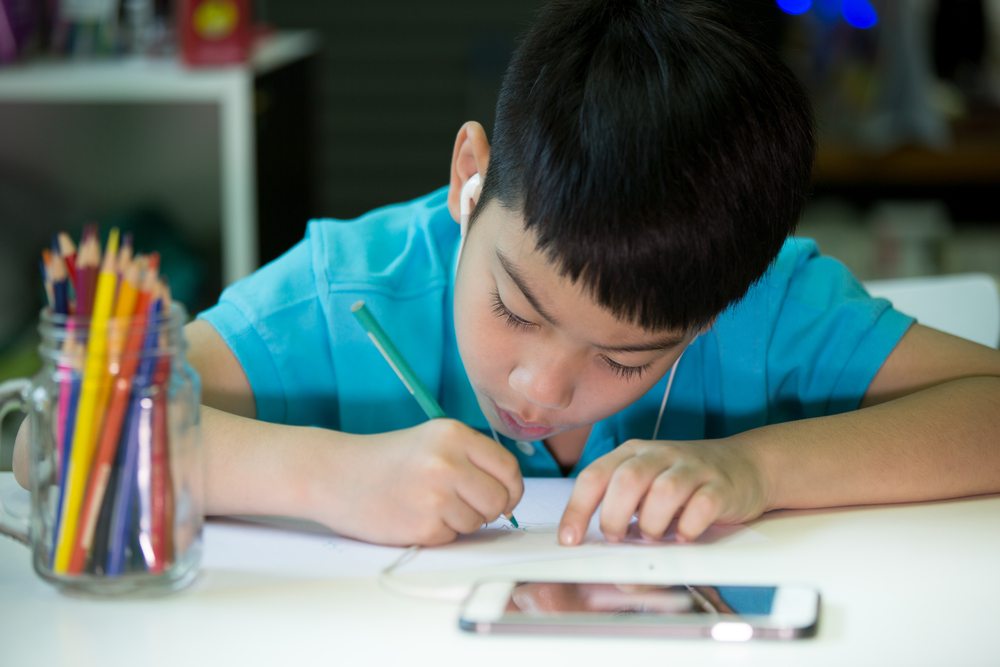
3. Use technology strictly as a learning aid, not a pacifier. Rather than handing over a phone or tablet as a quick fix to keep a bored child quiet, treat technology as a supportive educational tool. For example, after your child finishes playing with toy cars, you might watch a short educational video together about how real vehicles work, or watch a simple drawing tutorial online and then invite them to recreate the picture on real paper with crayons.
Ultimately, completely banning the digital world is neither realistic nor necessary, just as neglecting the value of physical play is not an option. The key lies in parents setting thoughtful boundaries and actively supporting a healthy middle ground. By embracing the positive side of technology while continuing to nurture hands-on discovery and imaginative creativity through physical toys, we can give our children the best of both worlds.




Comments