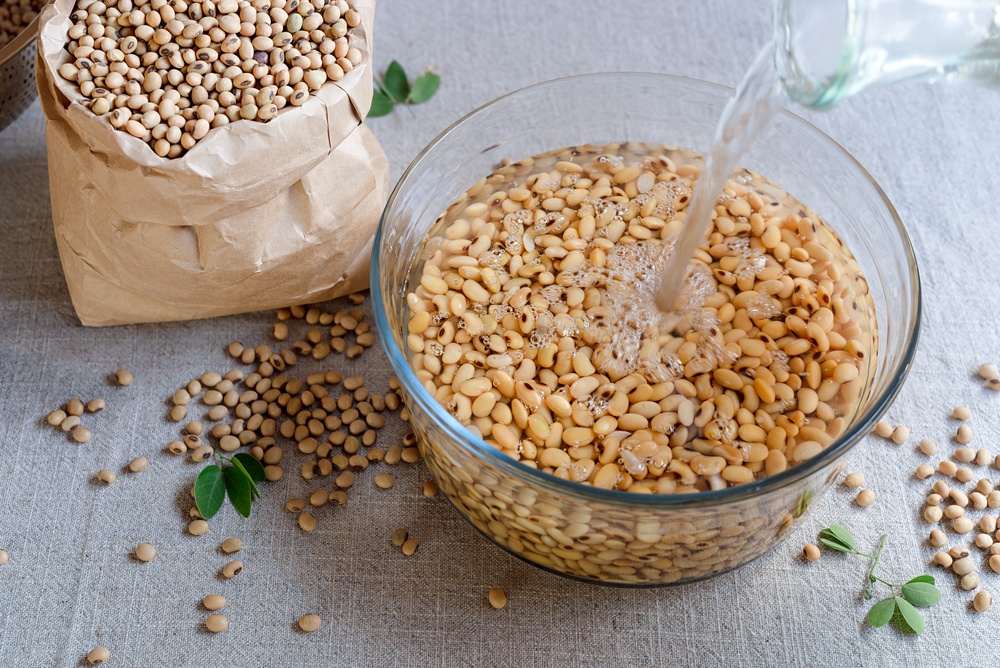
Soybeans are readily available in our daily diets and are a wonderful food packed with numerous nutrients that greatly benefit our health. Their natural components help prevent various diseases while allowing us to cook and enjoy a wide variety of delicious dishes.
Health Benefits of Soybeans
Rich in Plant-Based Protein
Soybeans are a rare plant-based food that contains all 9 essential amino acids the body needs. They effectively replace and fulfill protein requirements for non-meat eaters, vegetarians, and those looking to build muscle.
Supports Heart Health
The isoflavones and natural dietary fiber found in soybeans help lower bad cholesterol (LDL) while regulating good cholesterol (HDL). Additionally, they help dilate blood vessels and regulate blood pressure, significantly reducing the risk of high blood pressure, atherosclerosis, and heart disease.
Strengthens Bones
Along with being rich in minerals like calcium, magnesium, and phosphorus, the isoflavones in soybeans help prevent bone density loss. Therefore, they can effectively prevent bone thinning and osteoporosis, which commonly occur in women after menopause and as people age.
Improves the Digestive System
Because they contain a high amount of soluble dietary fiber, soybeans improve stomach and intestinal motility and promote regular bowel movements. They also nourish beneficial bacteria in the gut, ensuring long-term intestinal health and preventing constipation.
How to Prepare and Enjoy Soybeans
Boiled or Roasted Soybeans
Soak soybean seeds in water for at least 6 to 8 hours, then boil them until the seeds become tender. The tender boiled soybeans can be tossed and eaten with sliced onions, garlic, green chilies, salt, fried onions, and a little sesame oil or peanut oil for a delicious and nutritious salad. If you want to make roasted soybeans, wipe the soaked soybean seeds dry and roast them gently over low heat, stirring steadily to avoid burning. Afterward, sprinkle a little salt on top to enjoy them as a healthy, satisfying snack.
Soy Milk
Soak and drain the soybean seeds, then blend them thoroughly in a blender with fresh water. Strain the resulting soybean liquid through a thin cloth to remove the pulp. Simmer the extracted soy milk over low heat, stirring frequently to remove foam and the raw bean scent. Add a little sugar or honey to taste, and enjoy it warm or chilled in the morning or afternoon.
Tofu
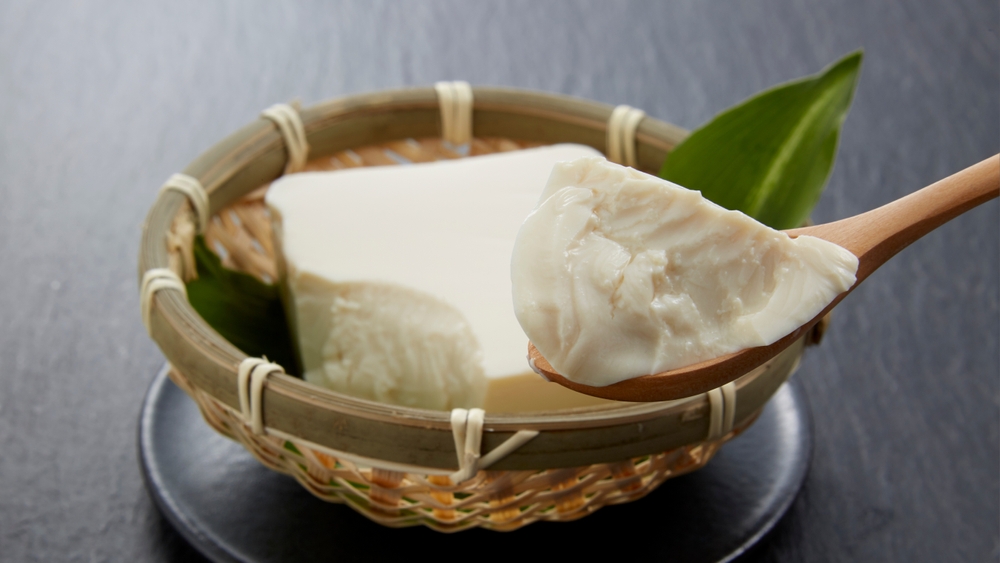
Adding a little lime juice to hot, freshly simmered soy milk will curdle it. Pour the curdled bean curds into a mold lined with a thin cloth, and press them down with a weight to drain the water, resulting in firm blocks of tofu. You can cut the tofu into pieces and fry them until crispy, stir-fry them with vegetables, use them in salads, or add them to soups.
Fermented Soybeans / Dried Fermented Soybeans
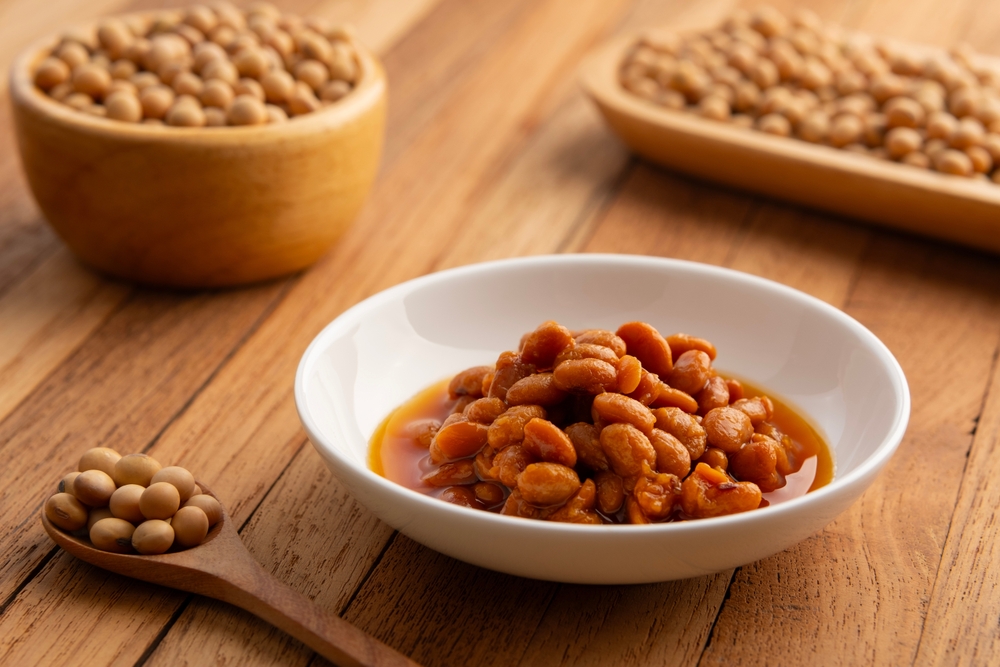
After boiling soybeans until tender, you can naturally ferment them to make fermented soybeans (pe-poke-chin). This can be mashed together with chili, onions, and sesame seeds to use as a dip or side dish. To make dried fermented soybeans (pe-poke-gyauk), flatten the fermented soybeans, sun-dry them for storage, and then grill or fry them in oil to use as a flavorful spice and traditional Burmese side dish.
Because of their high-quality nutrients, soybeans are truly one of nature's best gifts, providing full nourishment and excellence for bodily health. Regularly incorporating moderate amounts of soybeans, or soybean-derived foods like soy milk, tofu, and traditional soy dishes, into your daily diet will not only help prevent diseases but also ensure your body stays healthy and refreshed in the long run.
Therefore, let's start a healthy lifestyle by making cost-effective, easy-to-make, and versatile soybeans a staple at your family's dining table!





Comments